
Wedding Flowers: The Heart of Every Celebration 🌸
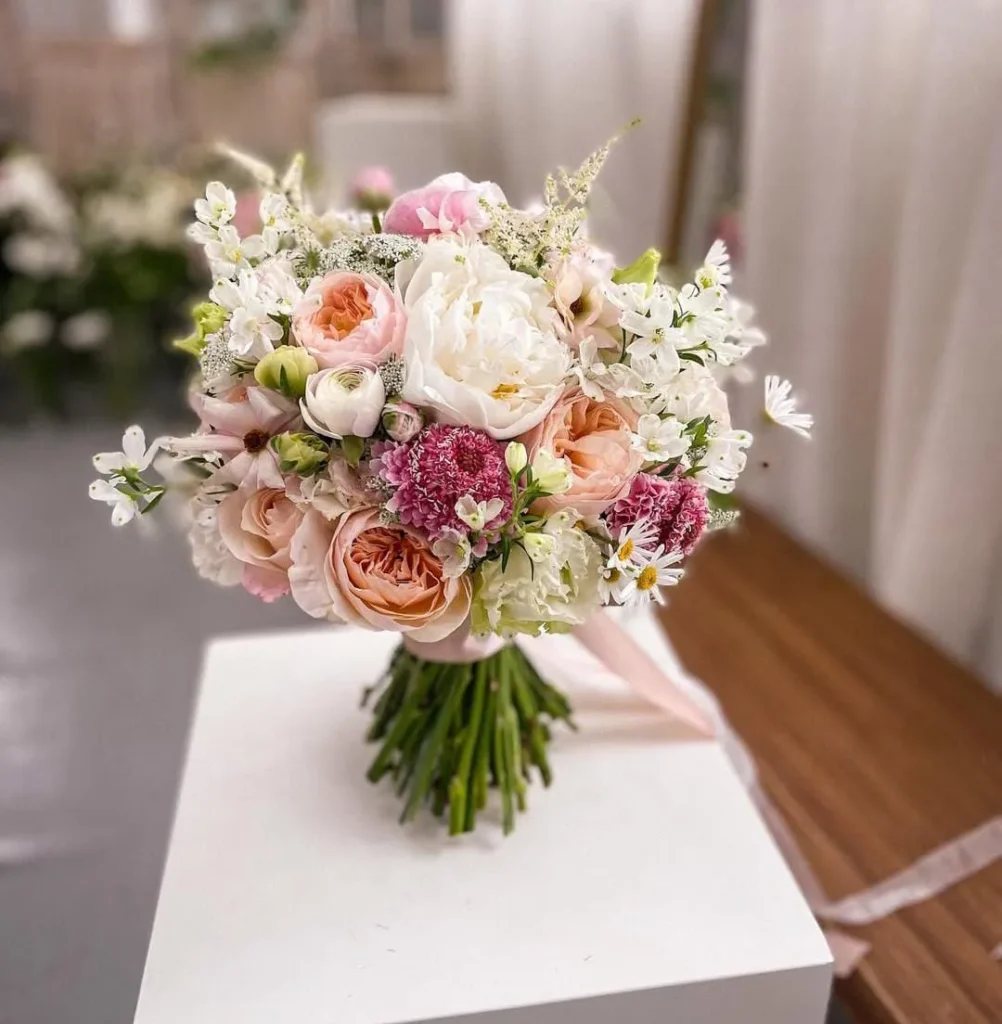
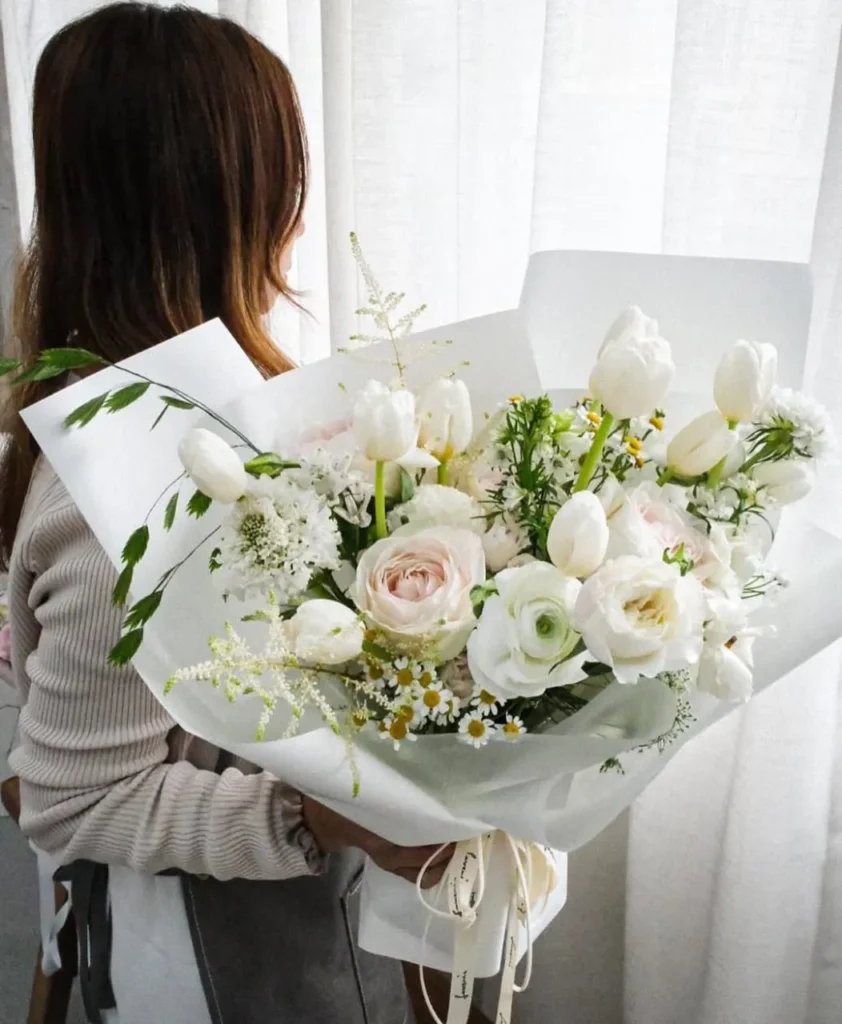
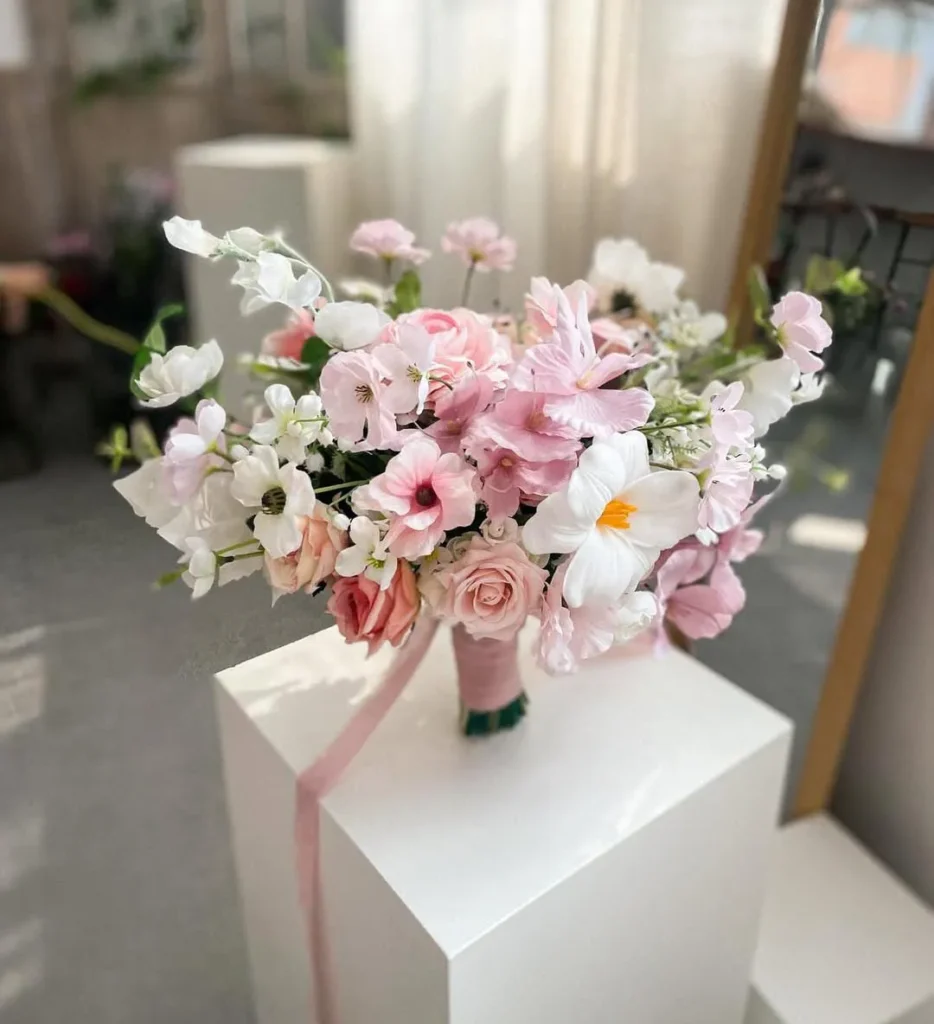
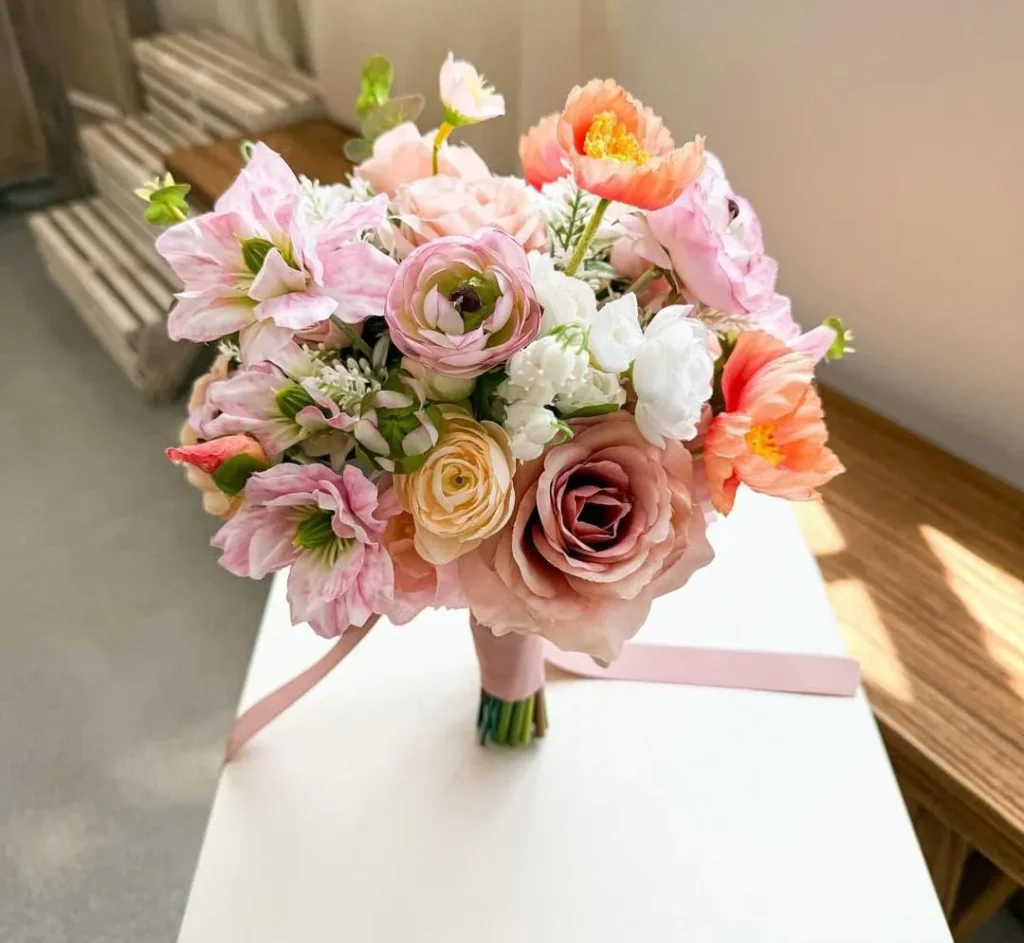
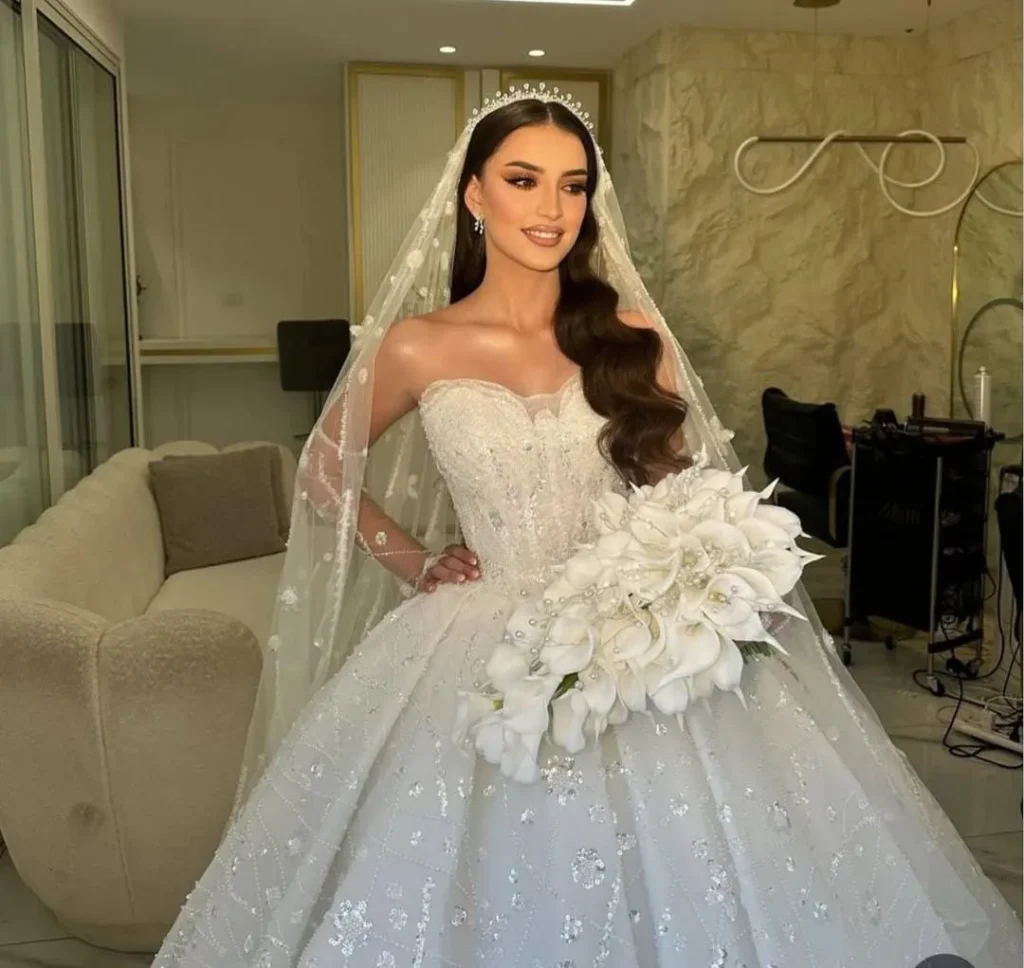
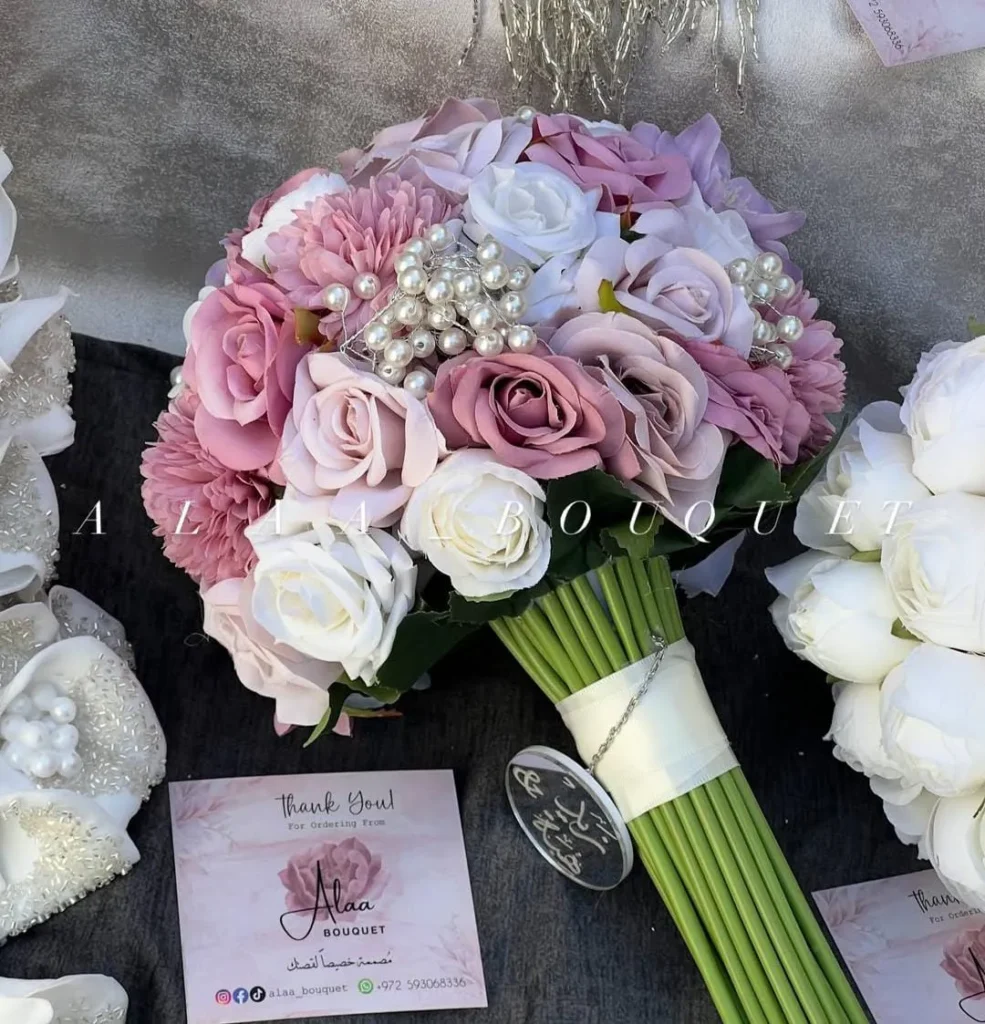
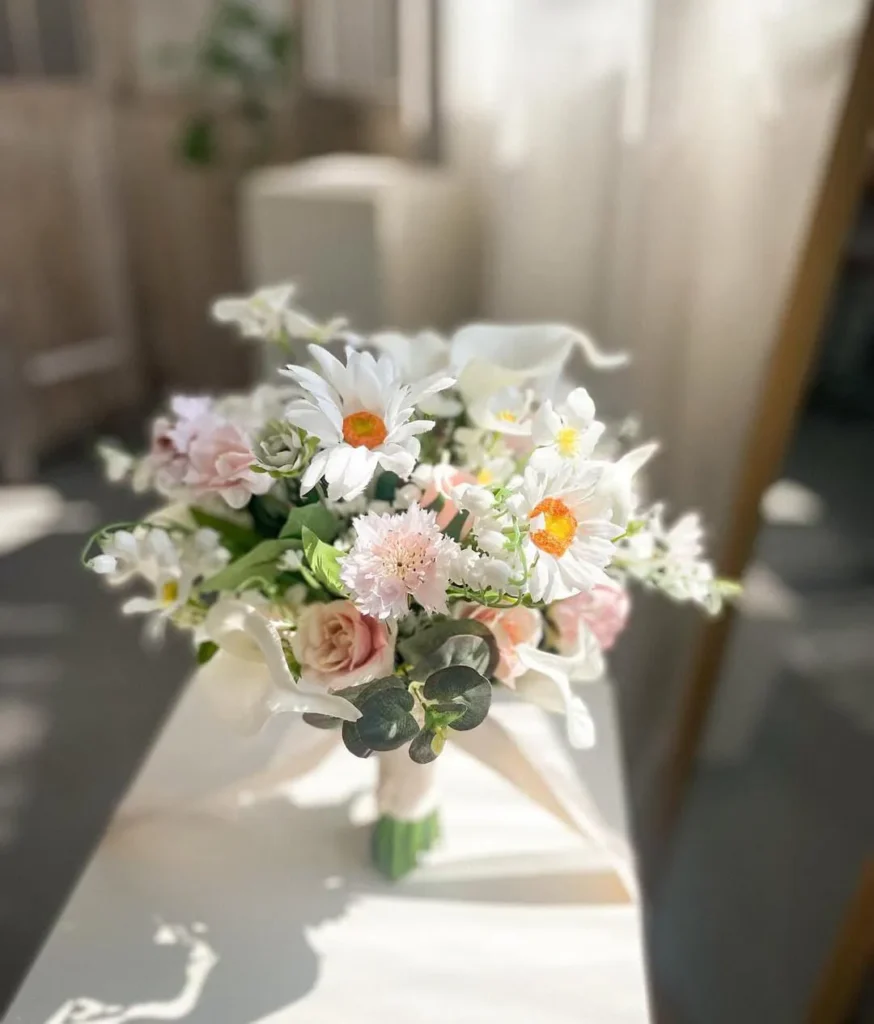
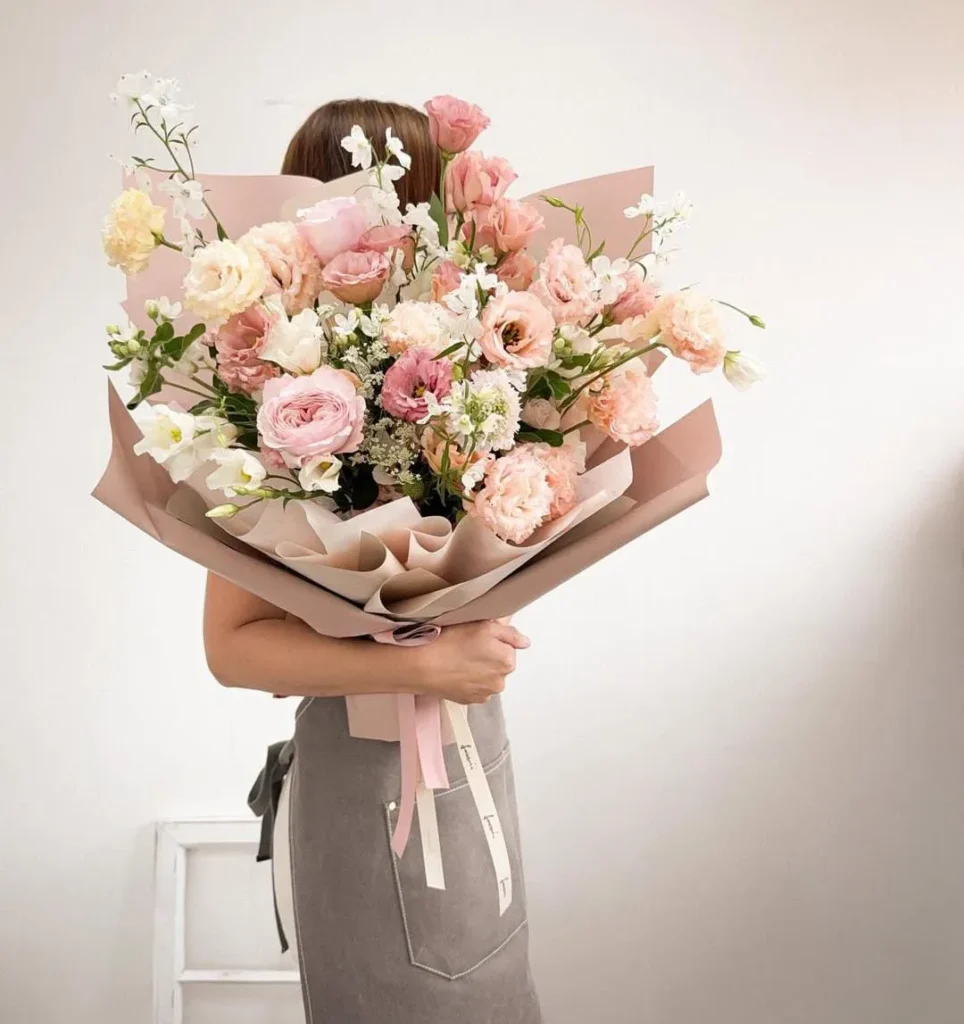
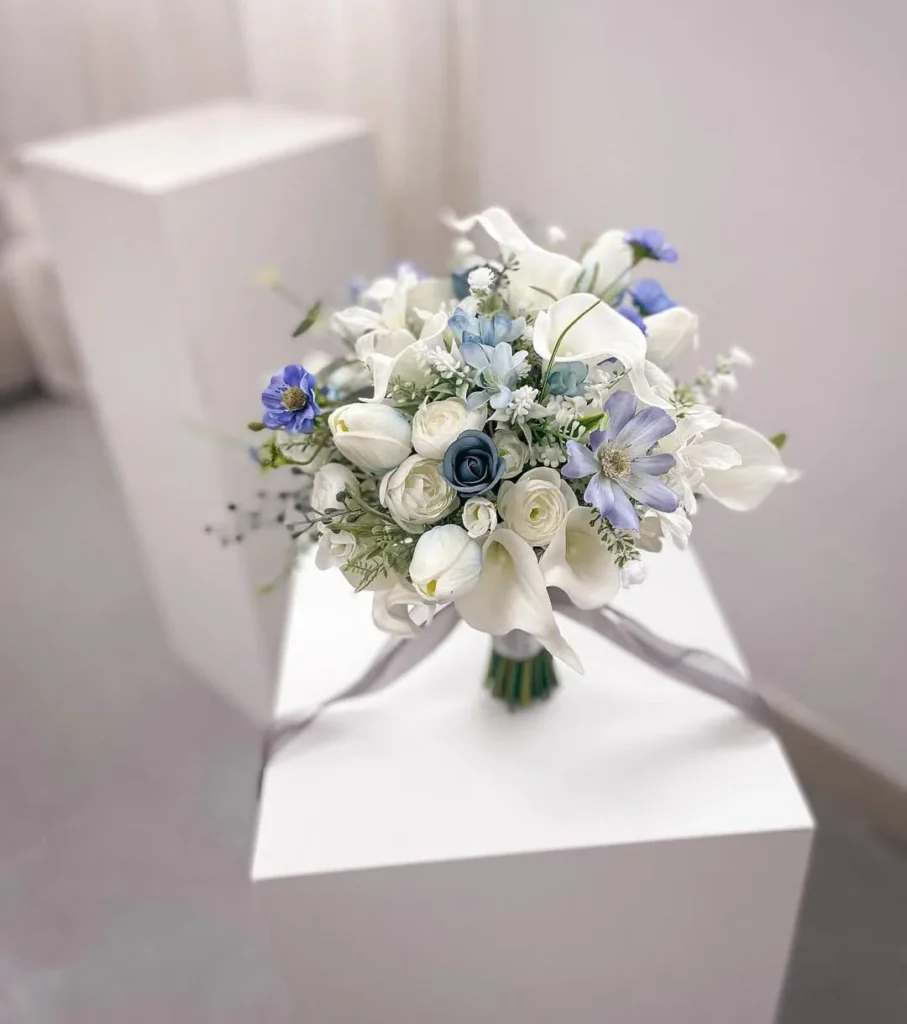
When we imagine a wedding, the first image that comes to mind is often a bride holding a beautiful wedding flowers bouquet or a venue filled with fresh, vibrant blooms. Wedding flowers are more than just decoration—they set the mood, express emotion, and create lasting memories.
Whether you’re planning a grand wedding or a small gathering, flowers play an important role. In this guide, we’ll explore everything about wedding flowers—from choosing the right ones to styling tips and the latest trends.

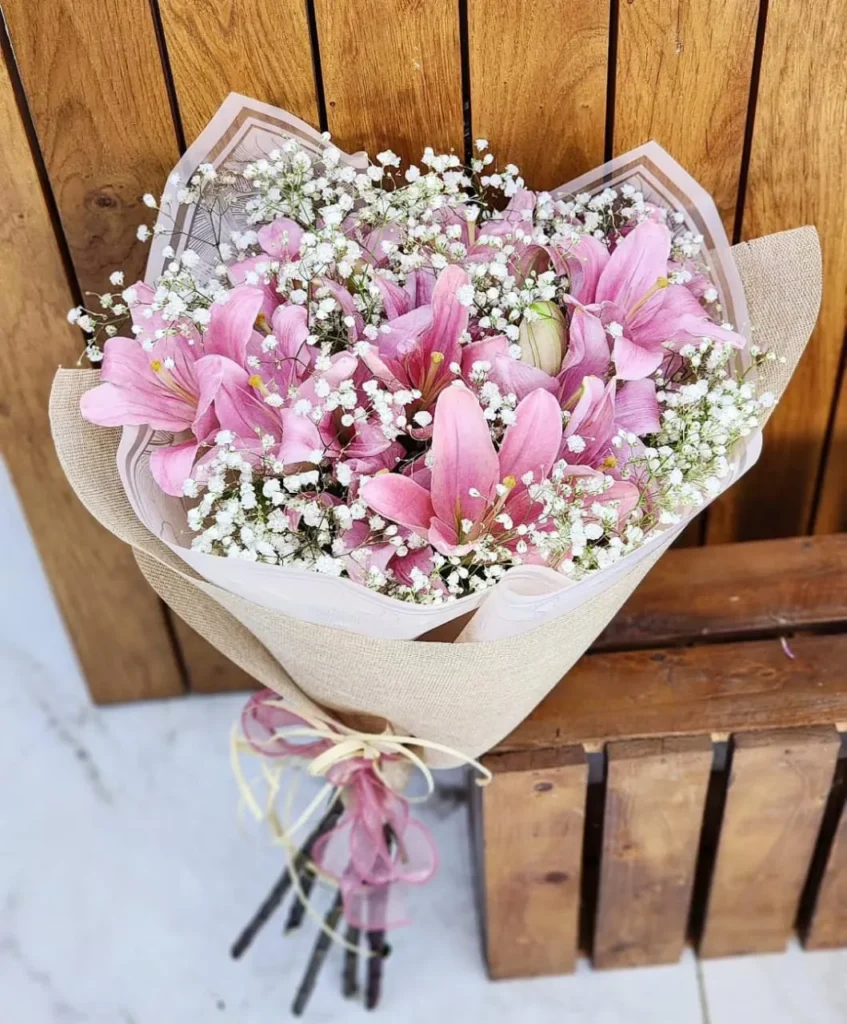

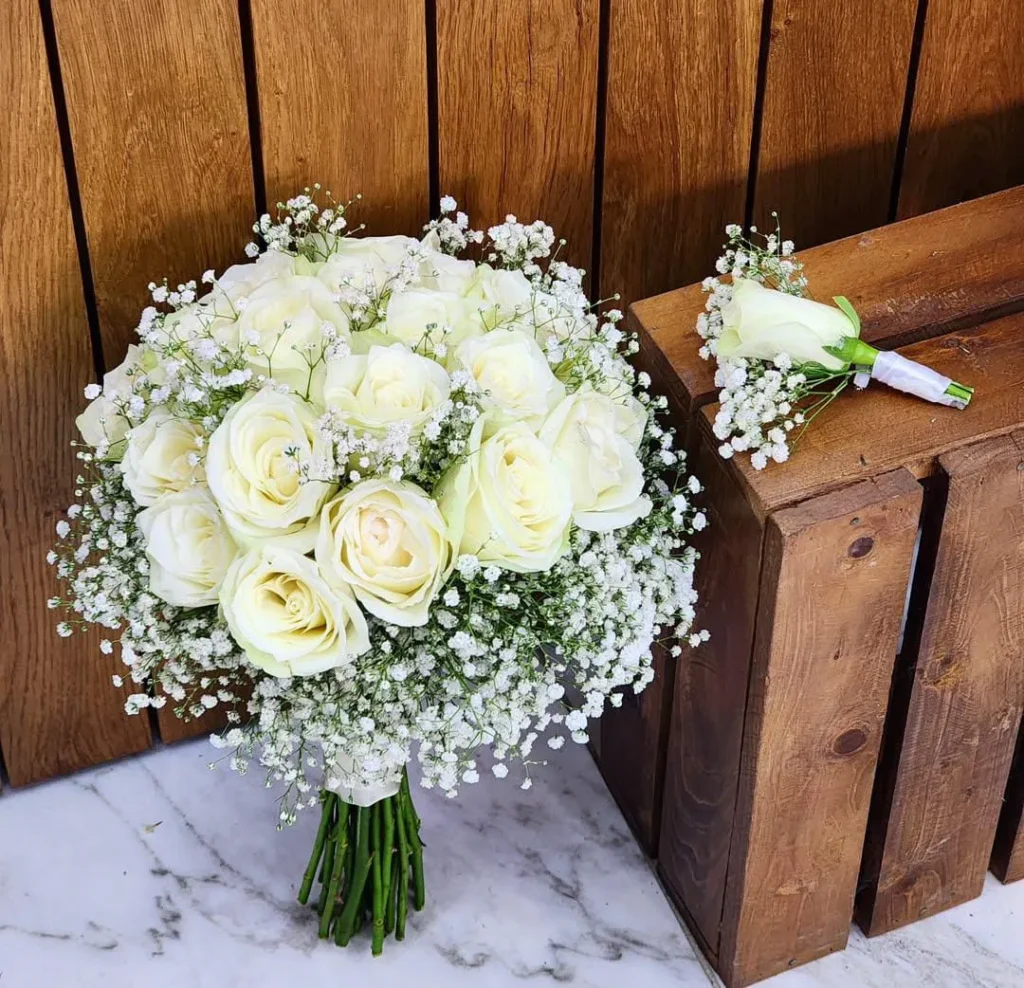
Why Wedding Flowers Matter
Flowers have been a part of wedding traditions for centuries. They symbolize beauty, love, purity, and new beginnings. Beyond their symbolism, flowers have a powerful visual impact. They can transform any space into something magical.
The right flowers can:
- Reflect your personality
- Match your wedding theme
- Enhance the atmosphere
- Leave a lasting impression in photos
Your guests may forget the seating arrangements or the meal, but they’ll always remember a breathtaking floral setup.
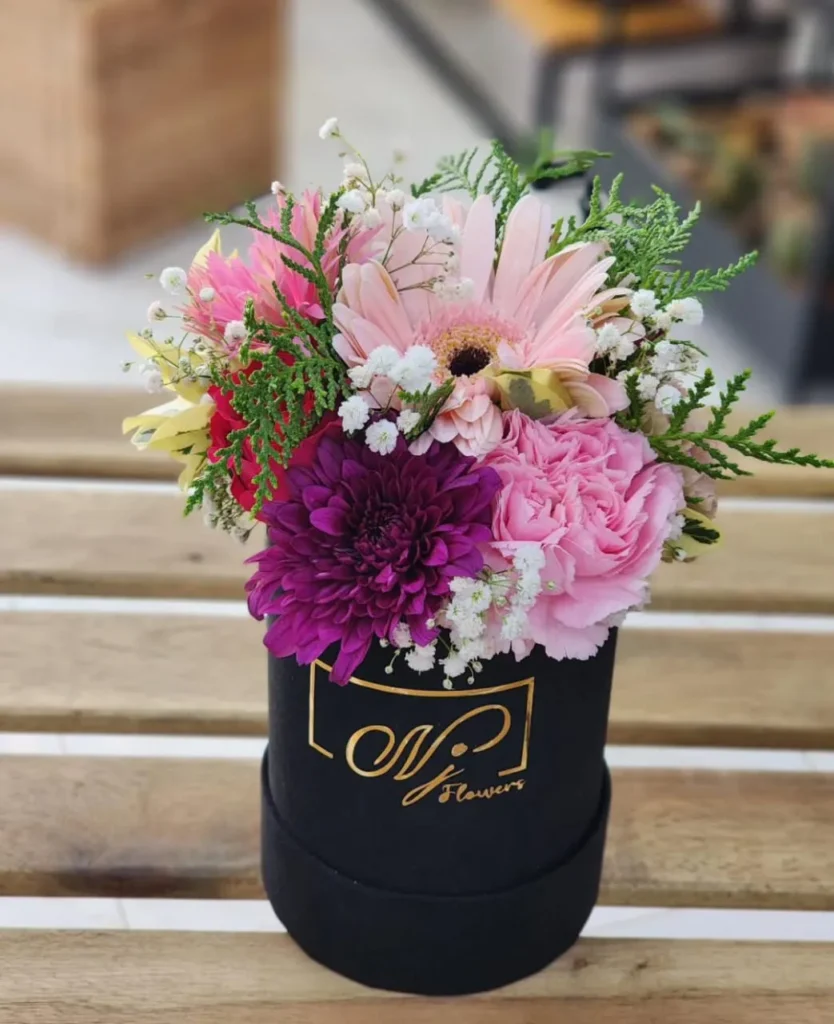
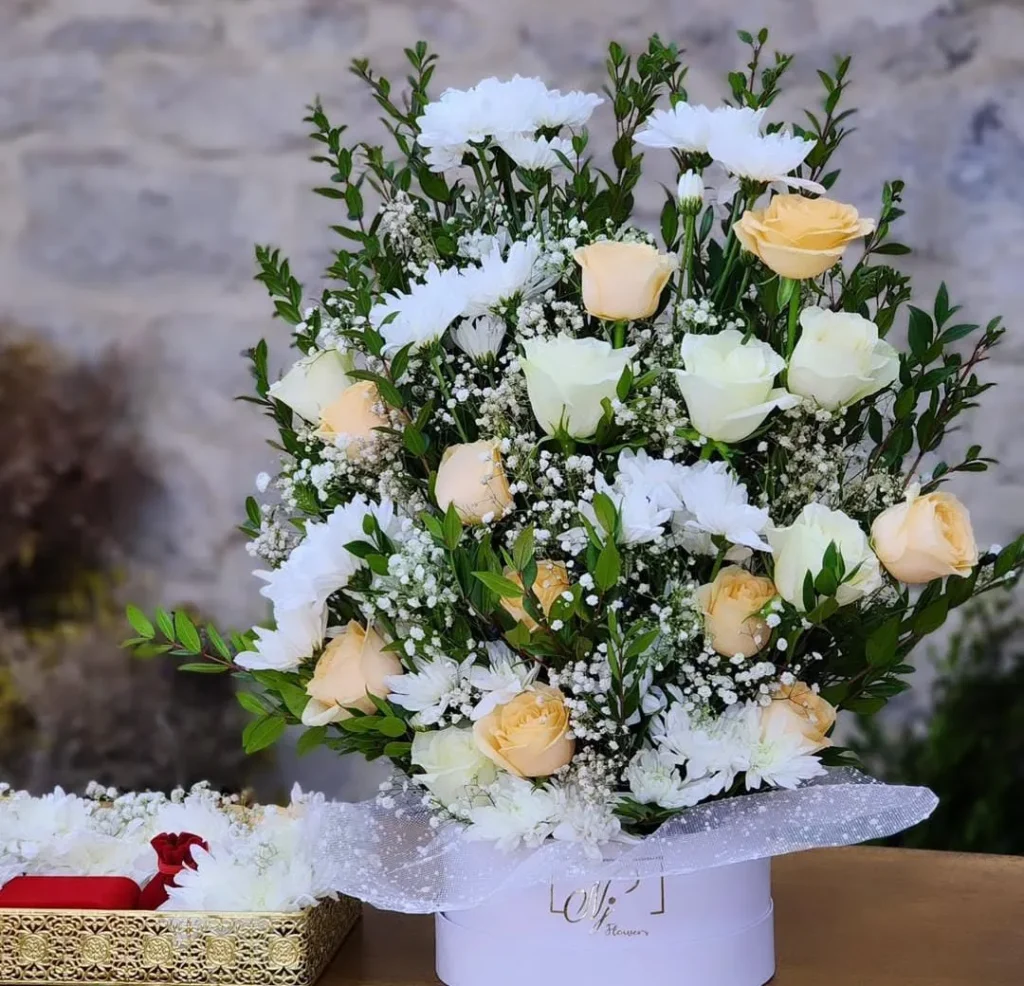
Choosing the Right Flowers for Your Wedding
Not all flowers are the same, and not all are available year-round. When picking your wedding flowers, think about:
Season: Some flowers are seasonal. Peonies, for example, are typically available in late spring and early summer. Choosing flowers that are in season can save you money and ensure freshness.
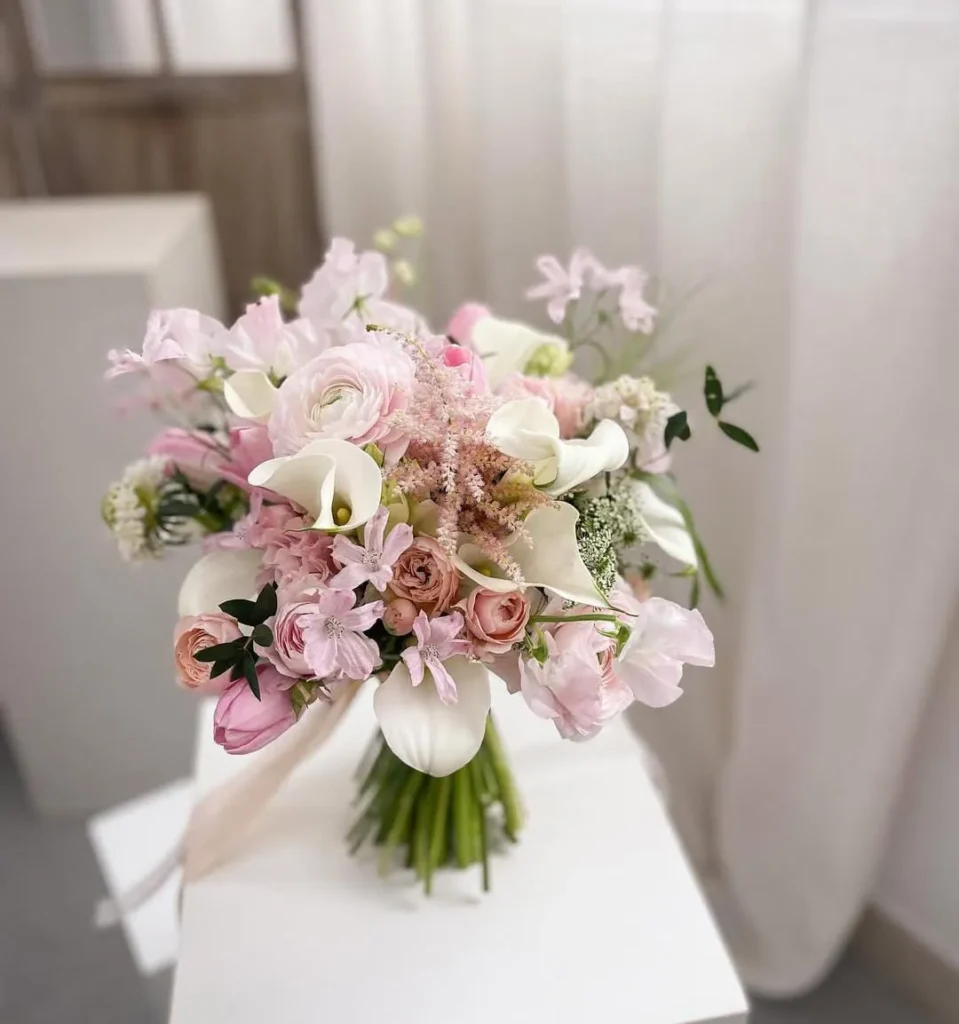
Color Theme: Match your flowers with the colors of your dress, venue, and overall wedding theme. Soft pastels bring a romantic touch, while bold colors make a statement.
Personal Meaning: Some couples choose flowers that have personal significance—like the same flowers used in their parents’ wedding or blooms that remind them of special moments.
Budget: Flowers can take a big chunk of your wedding budget. Be honest with your florist about what you can spend. They can help you find beautiful options within your range.
Types of Wedding Flowers and Their Uses
Here are the main types of flowers you’ll need:
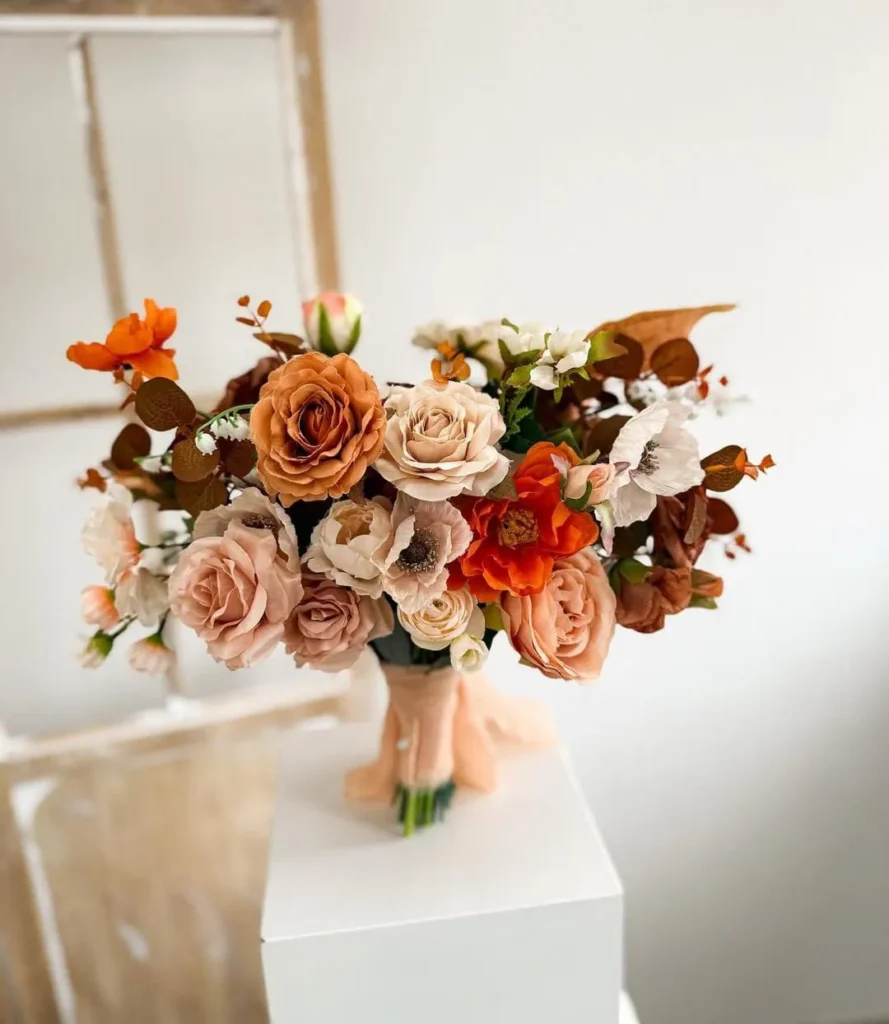
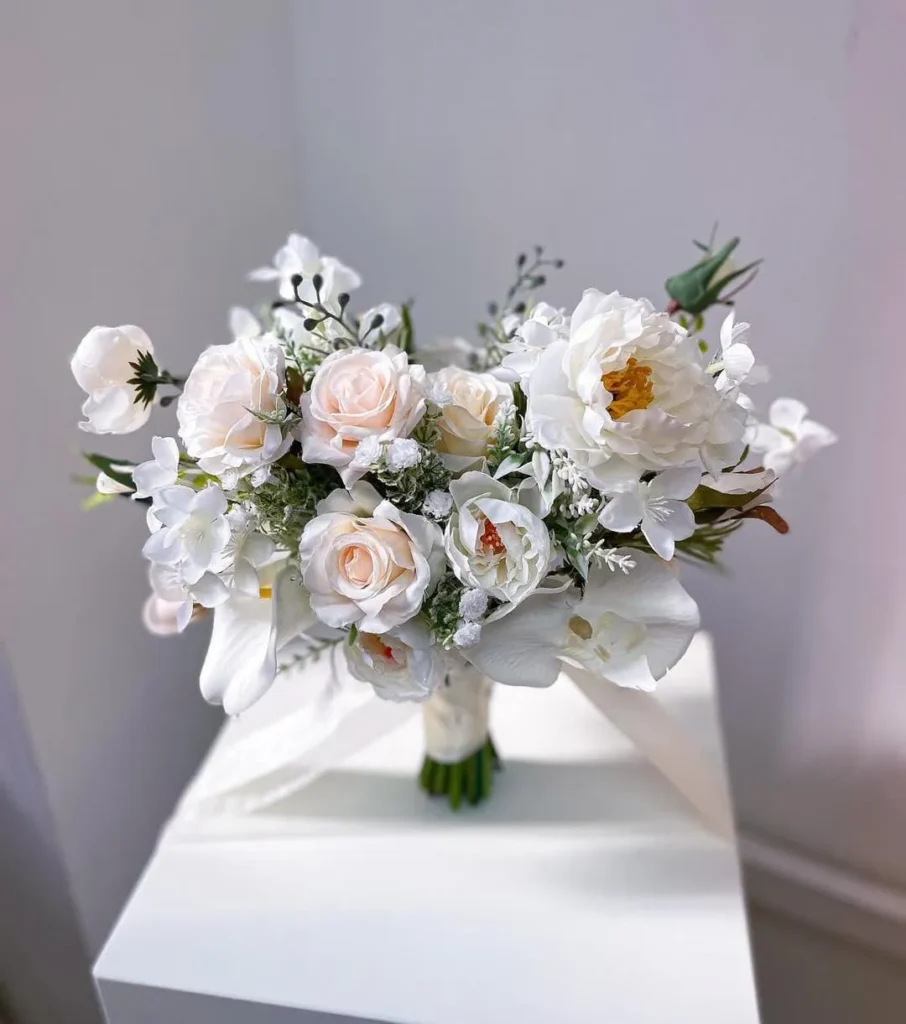
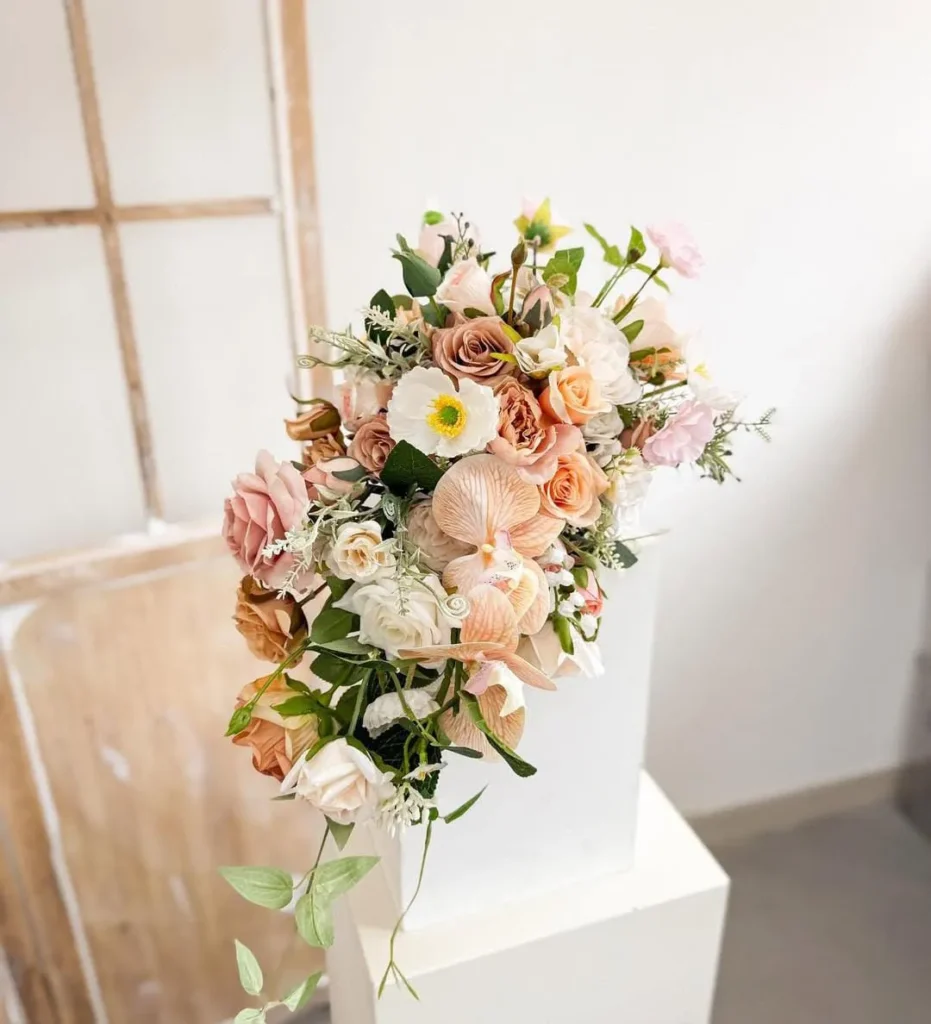
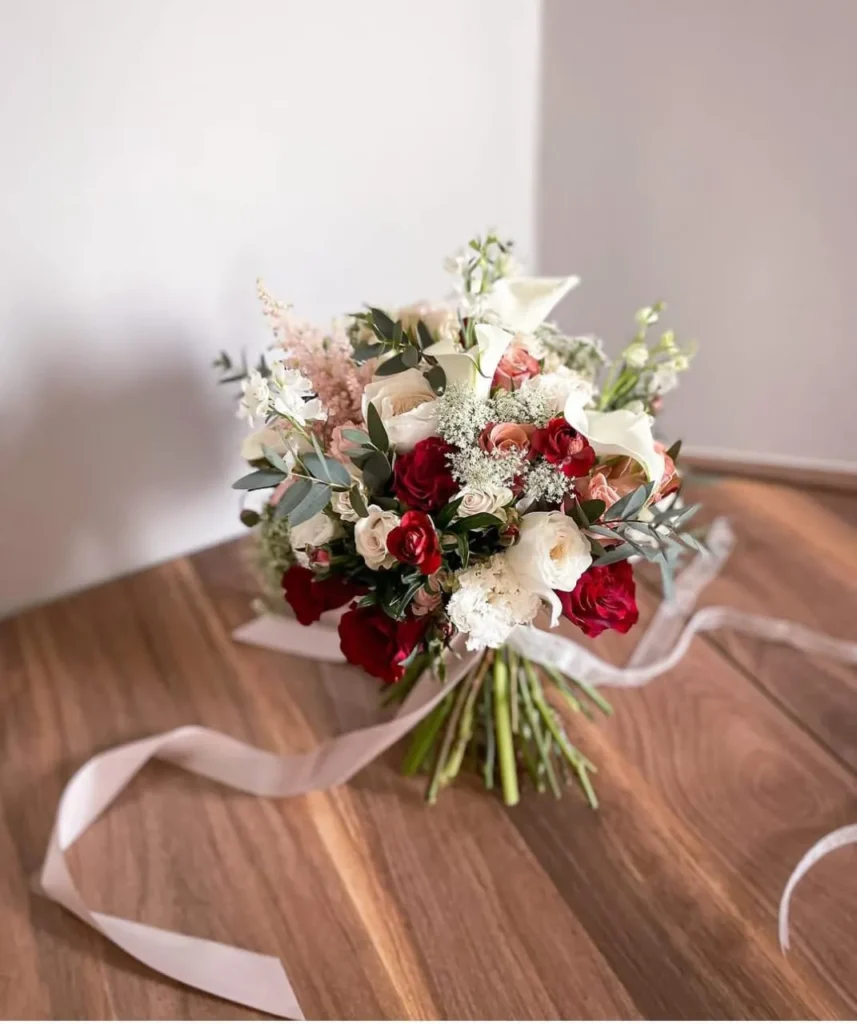
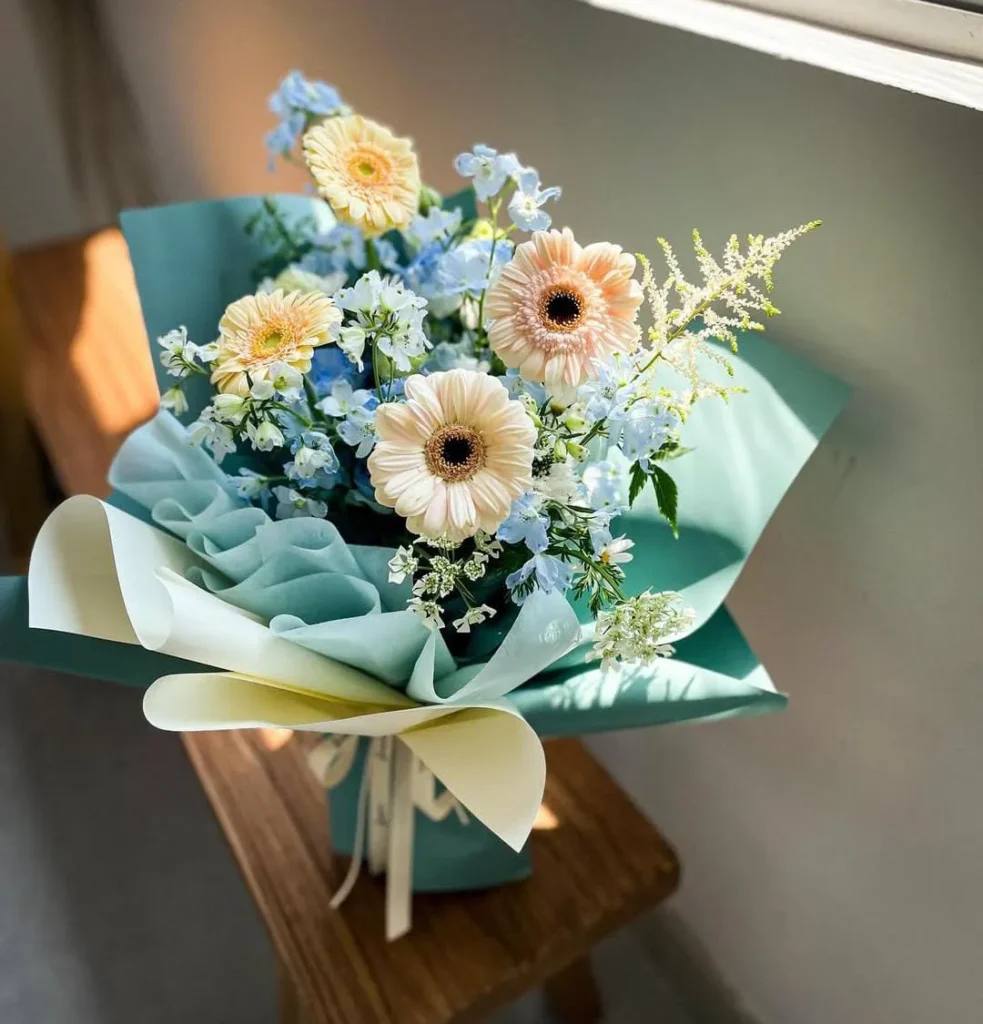
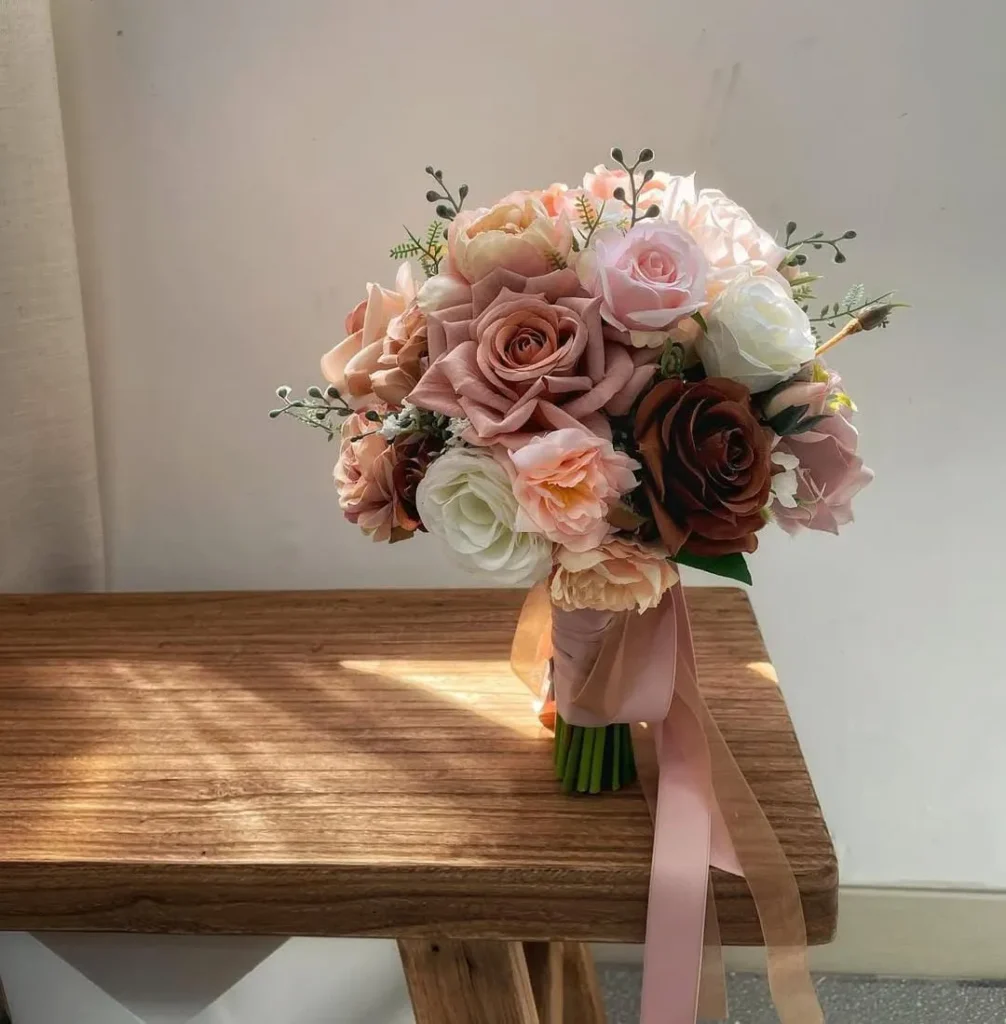
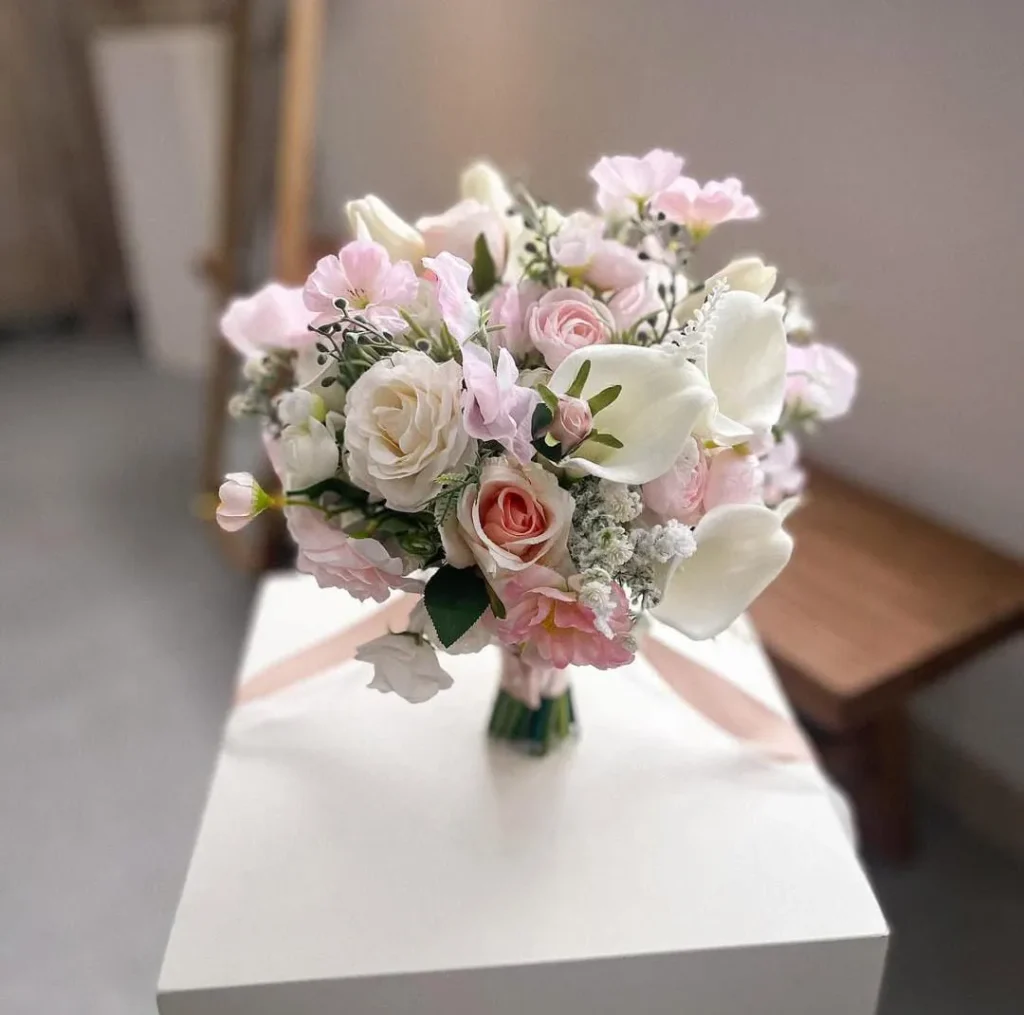
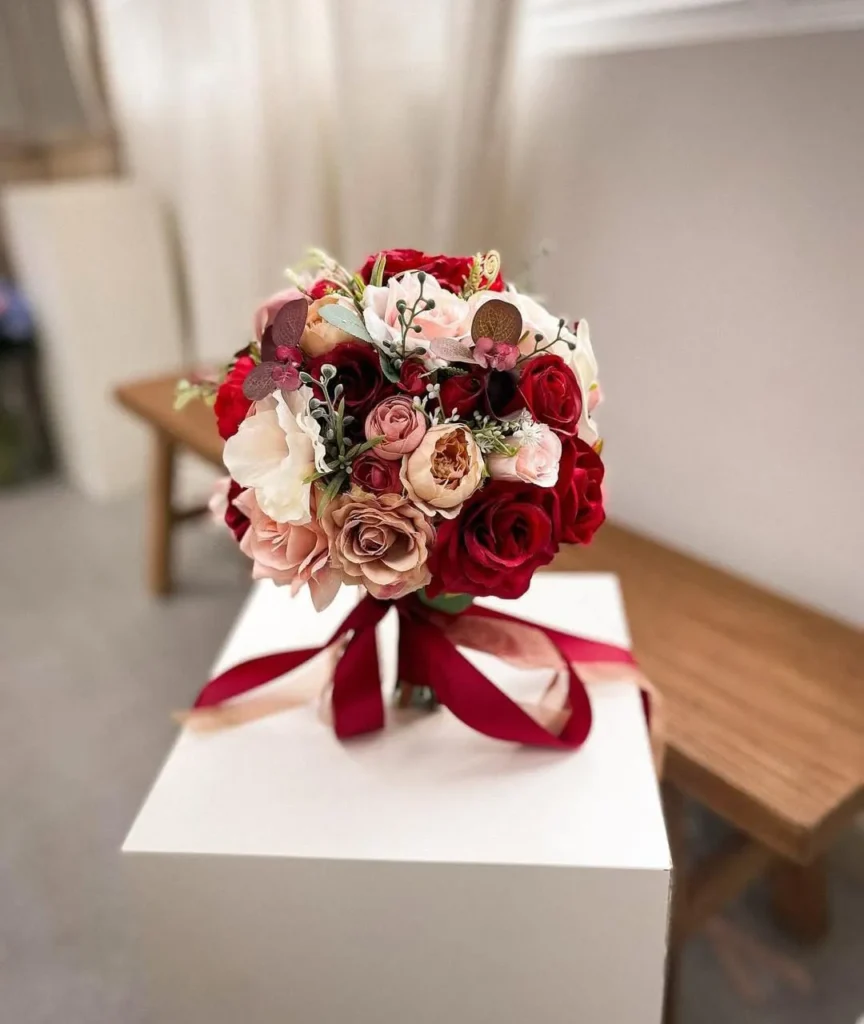
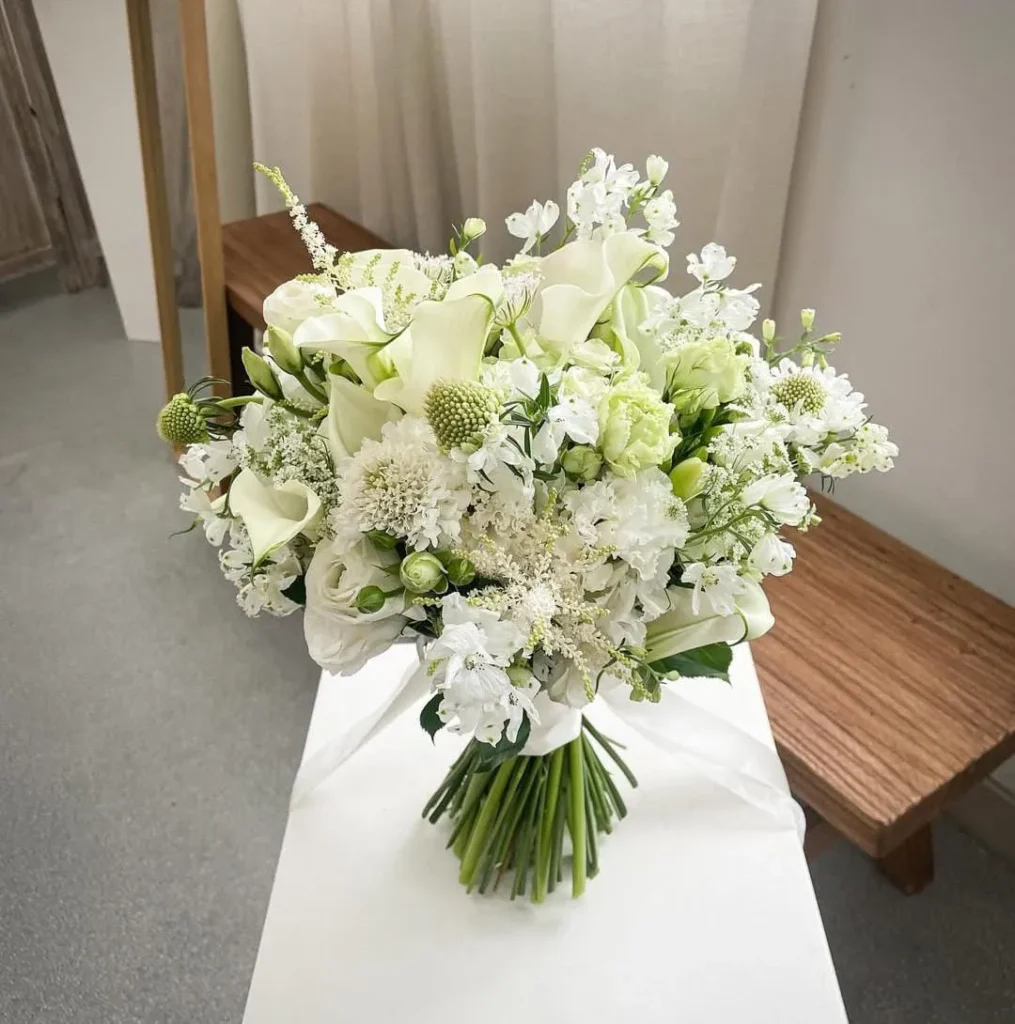
Bridal Bouquet
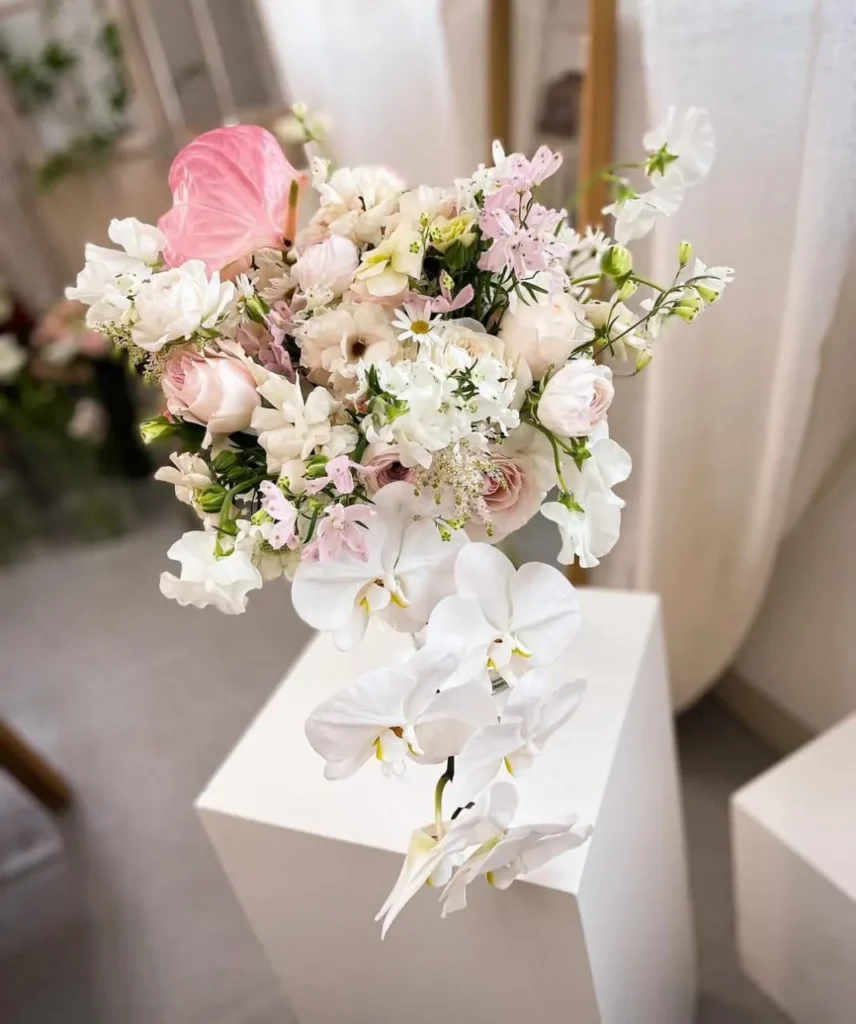
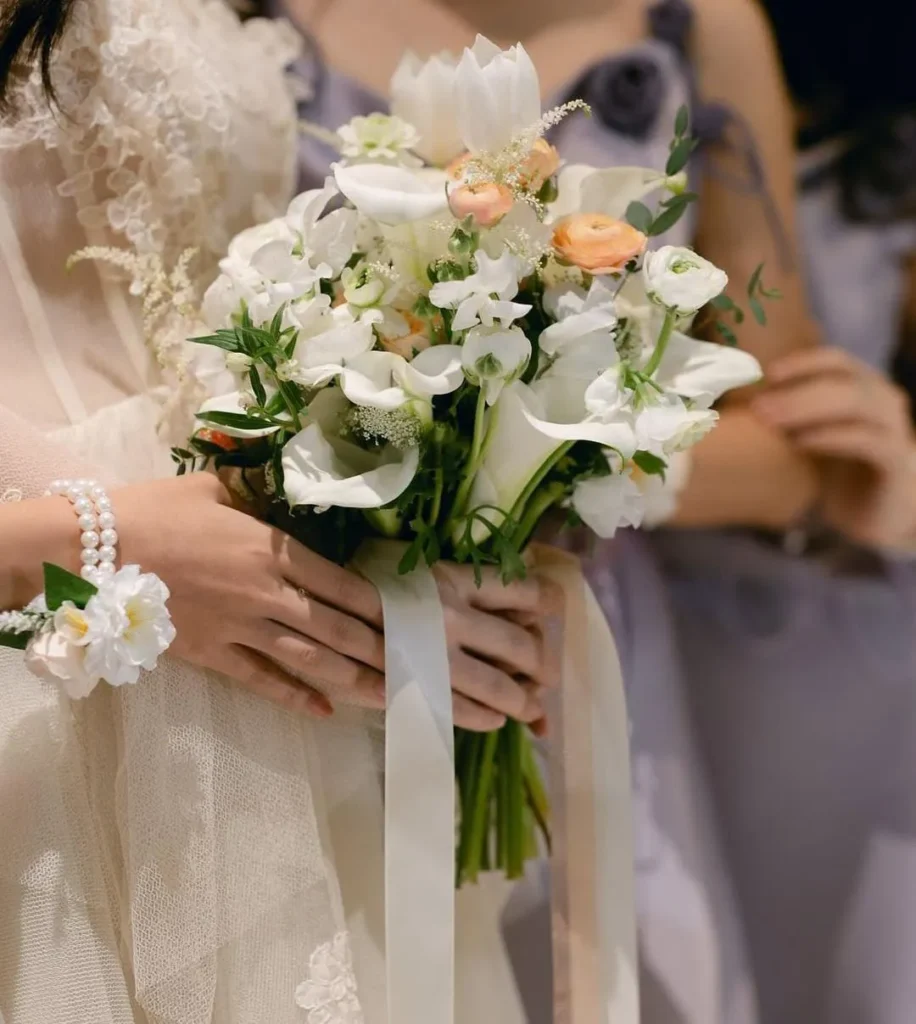
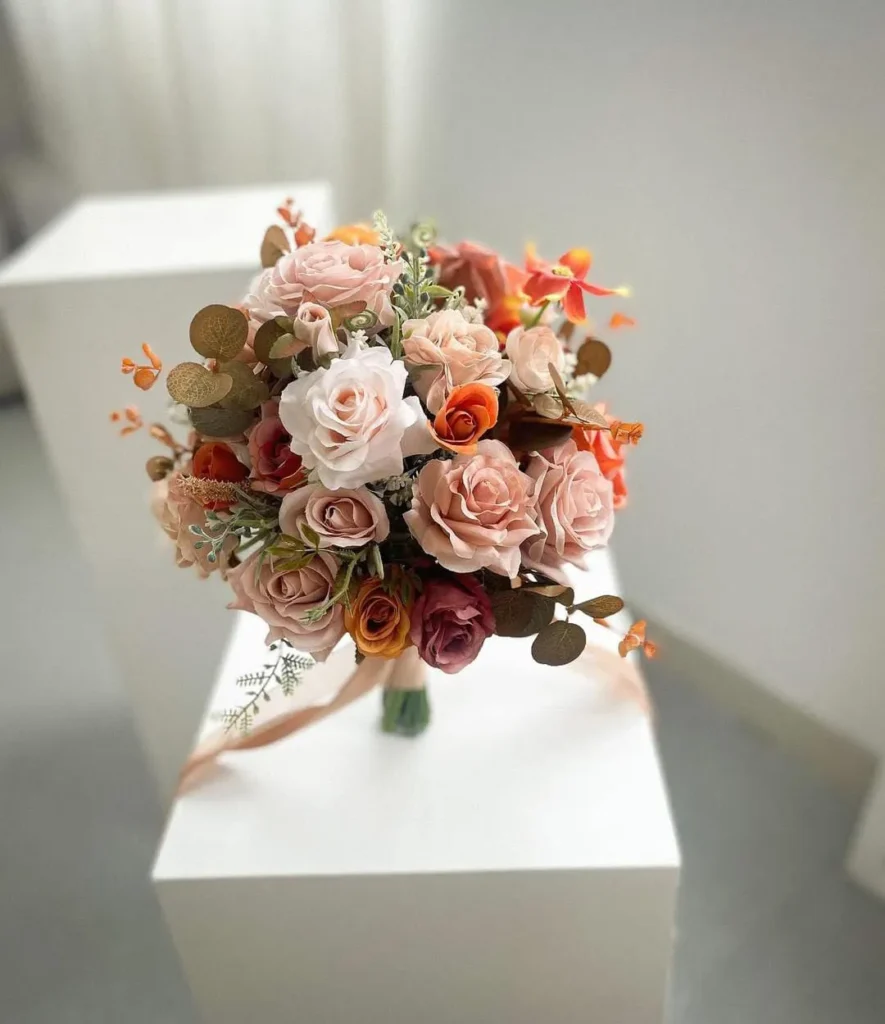
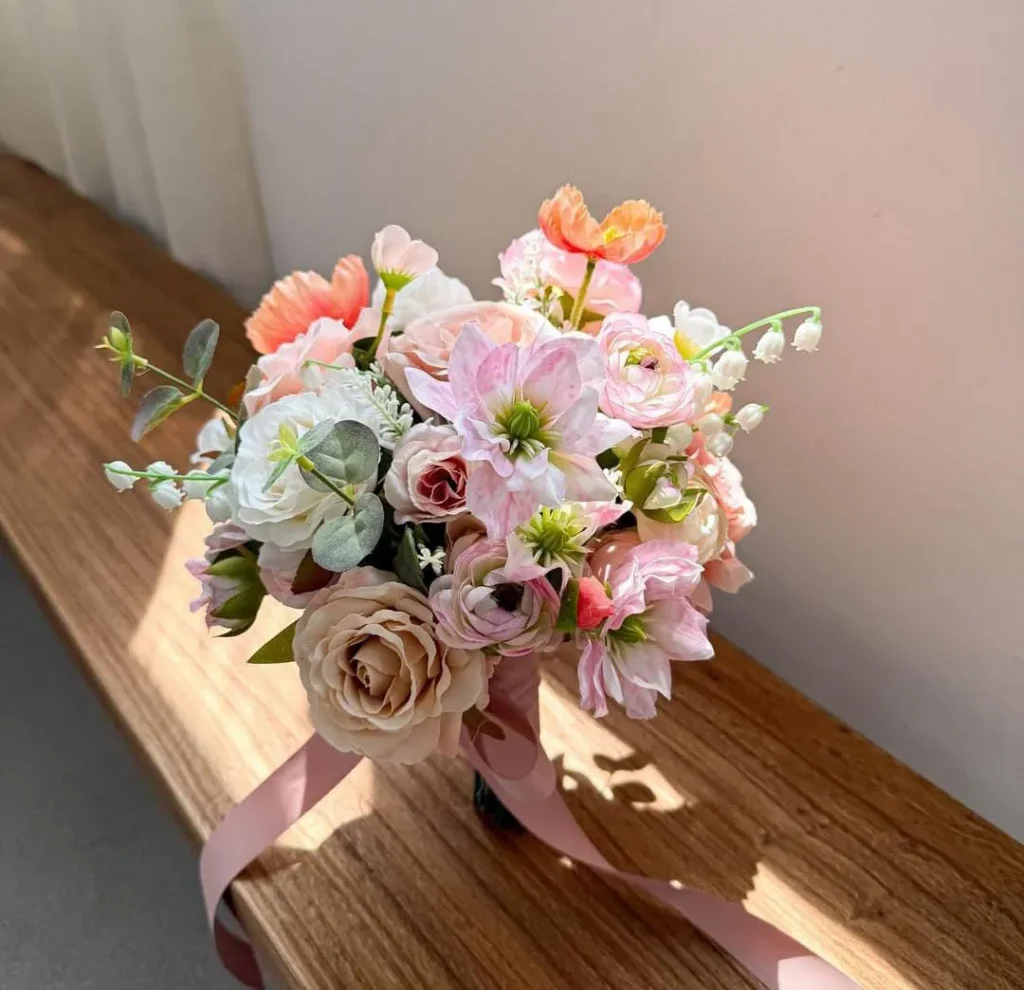
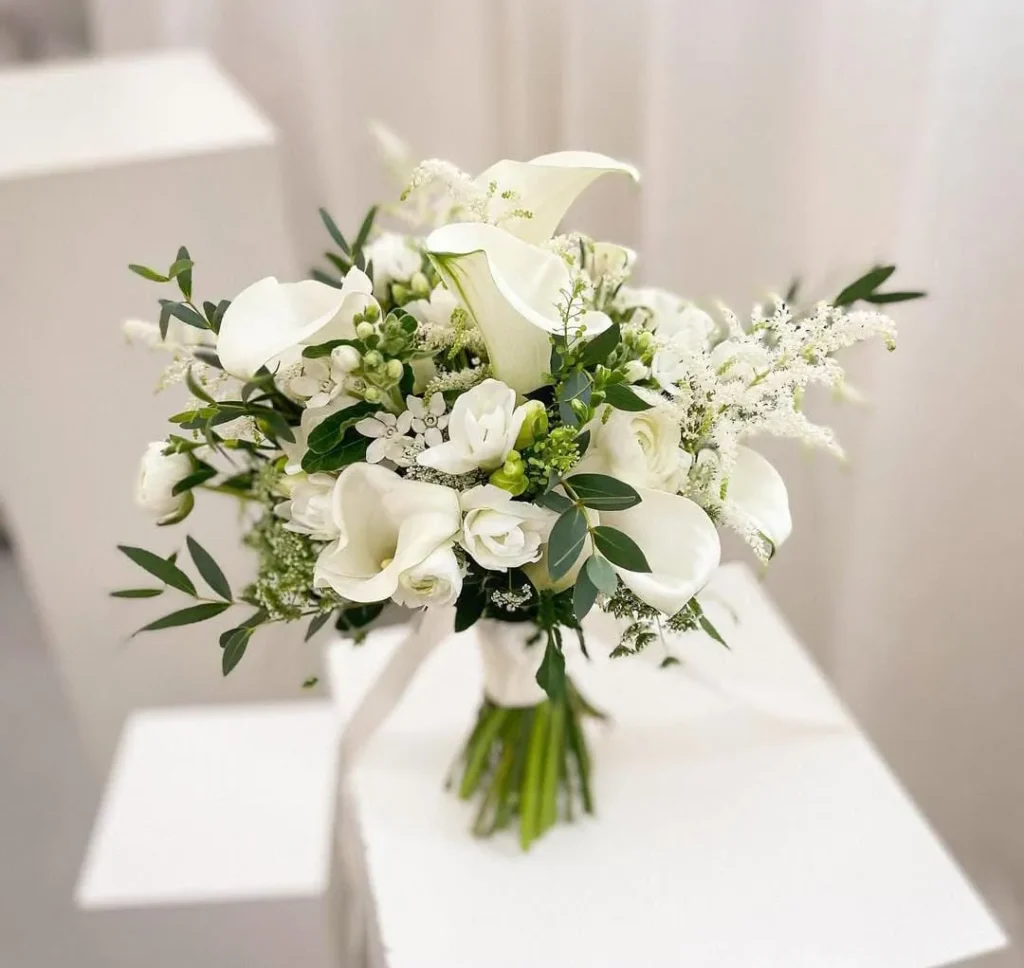
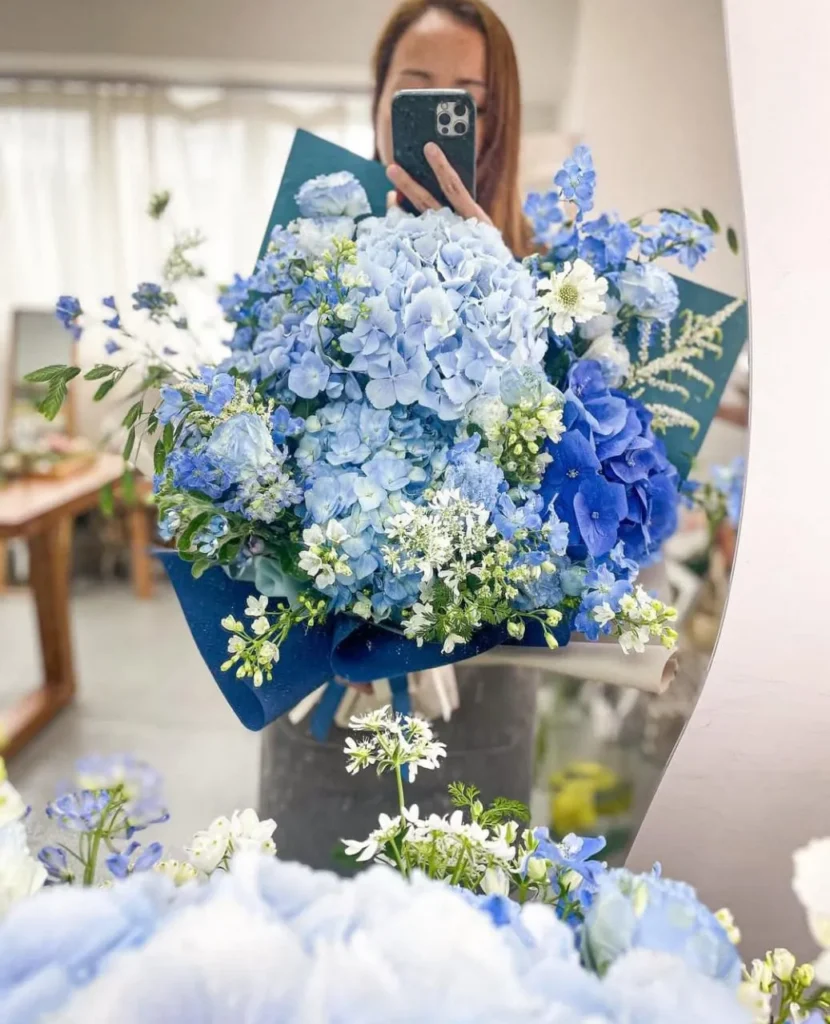
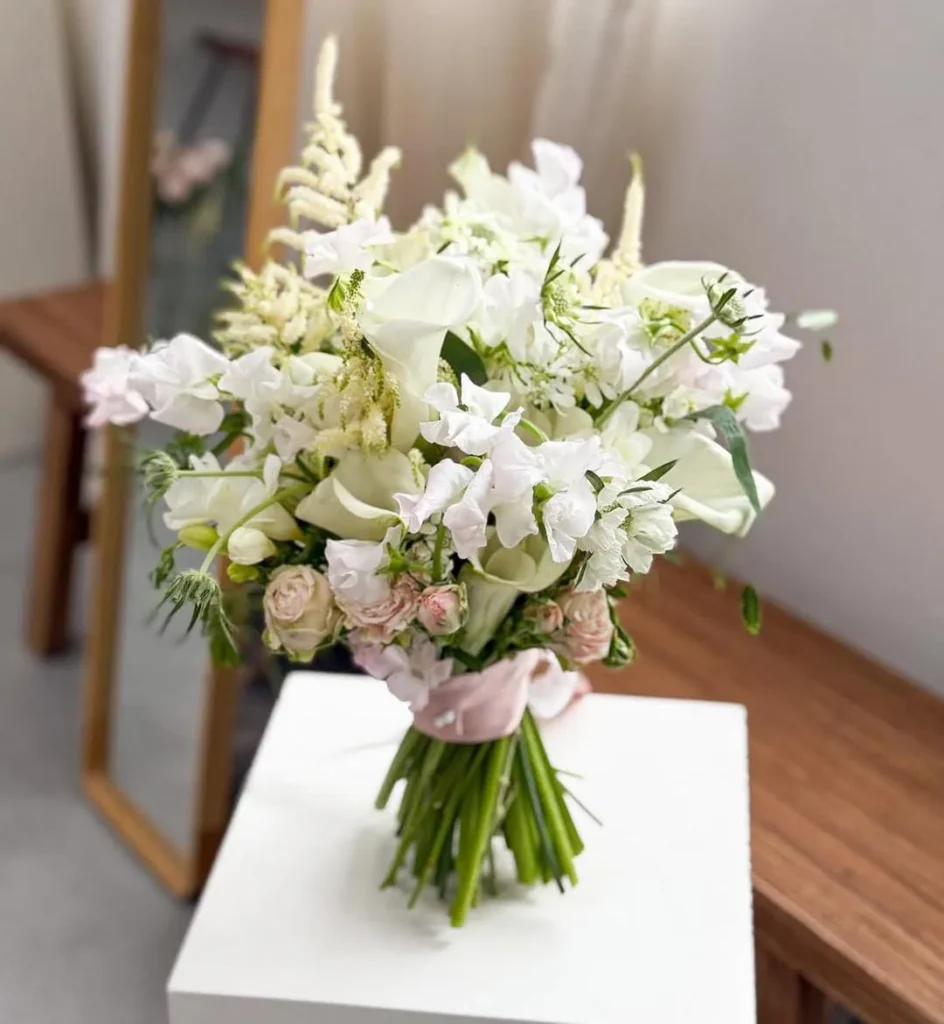
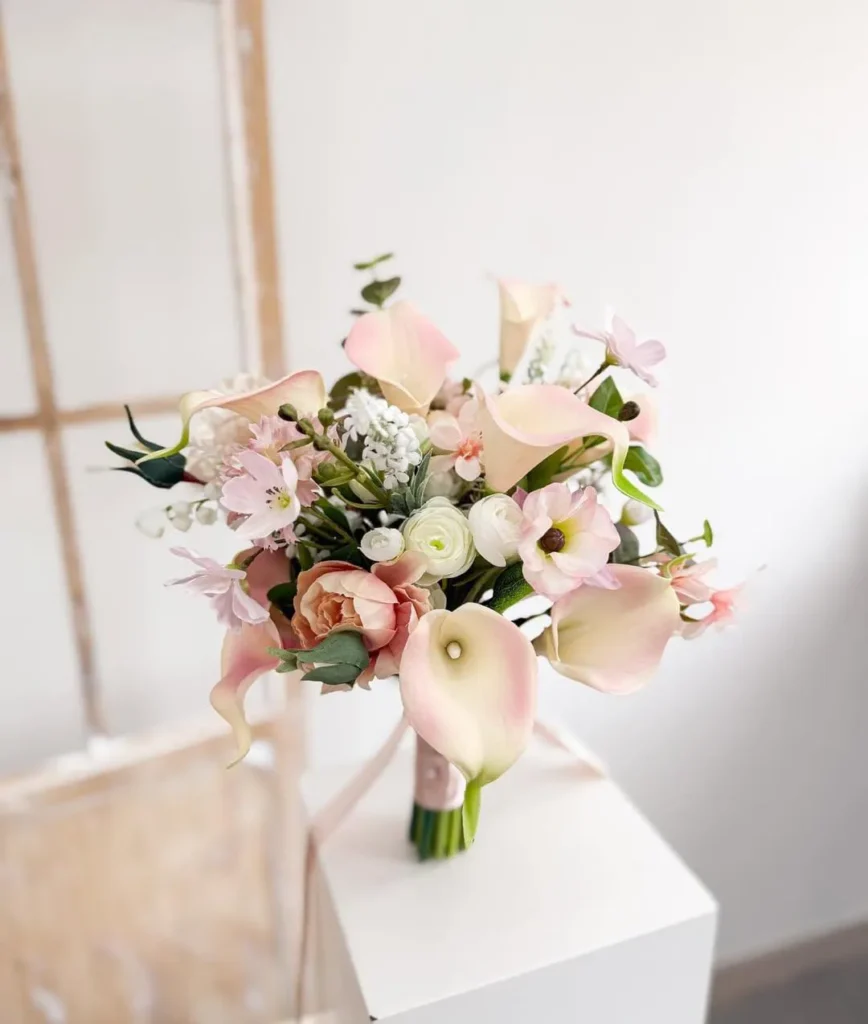
The star of the show. The bridal bouquet is often the most detailed and photographed floral arrangement. It should match the bride’s dress and personality.
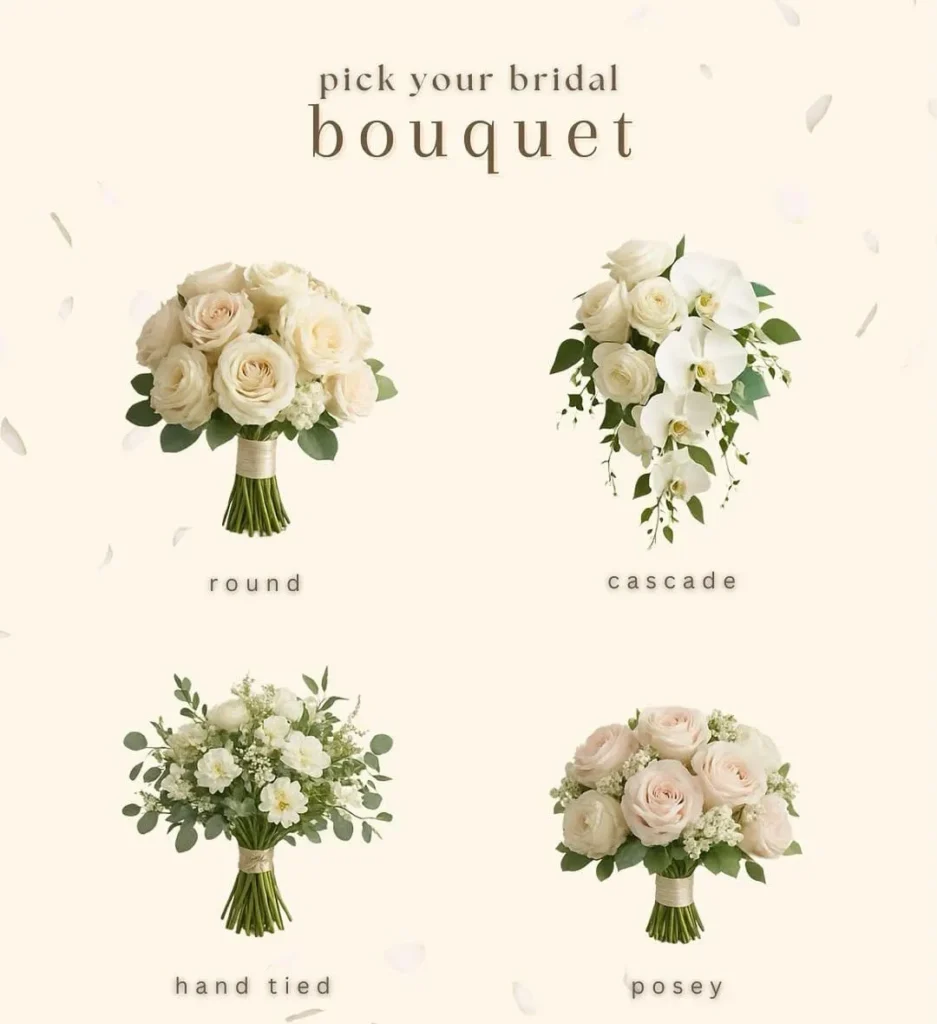
Styles include:
- Cascading
- Round
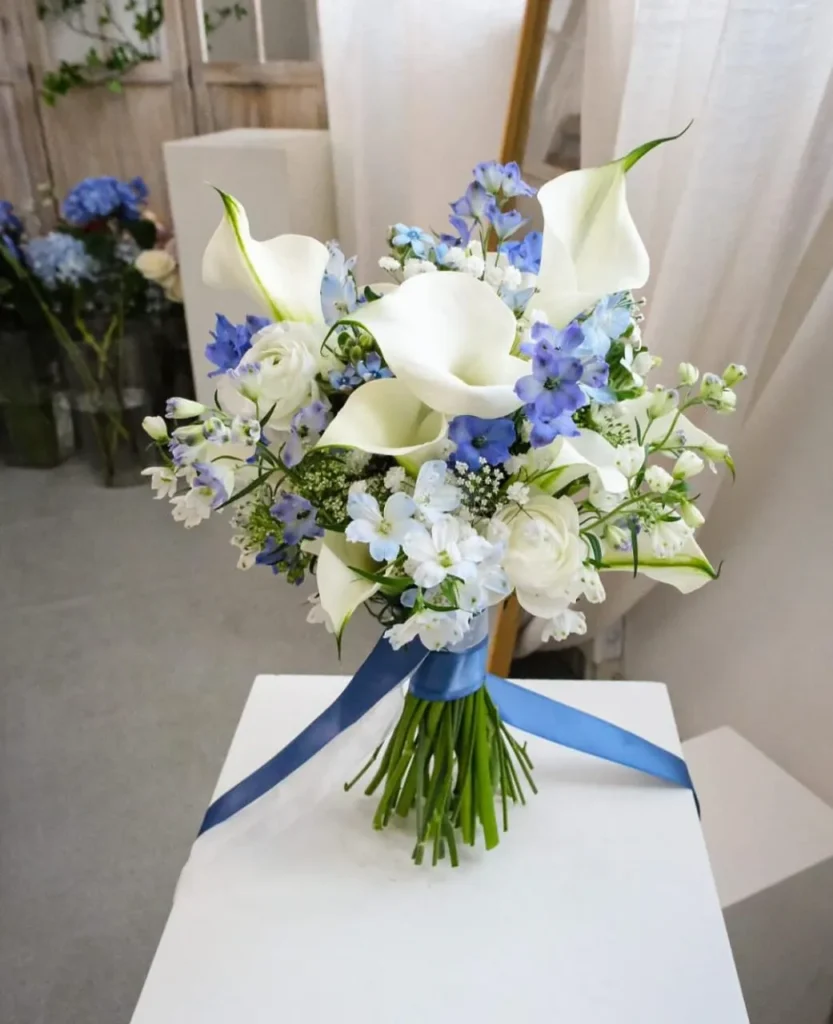
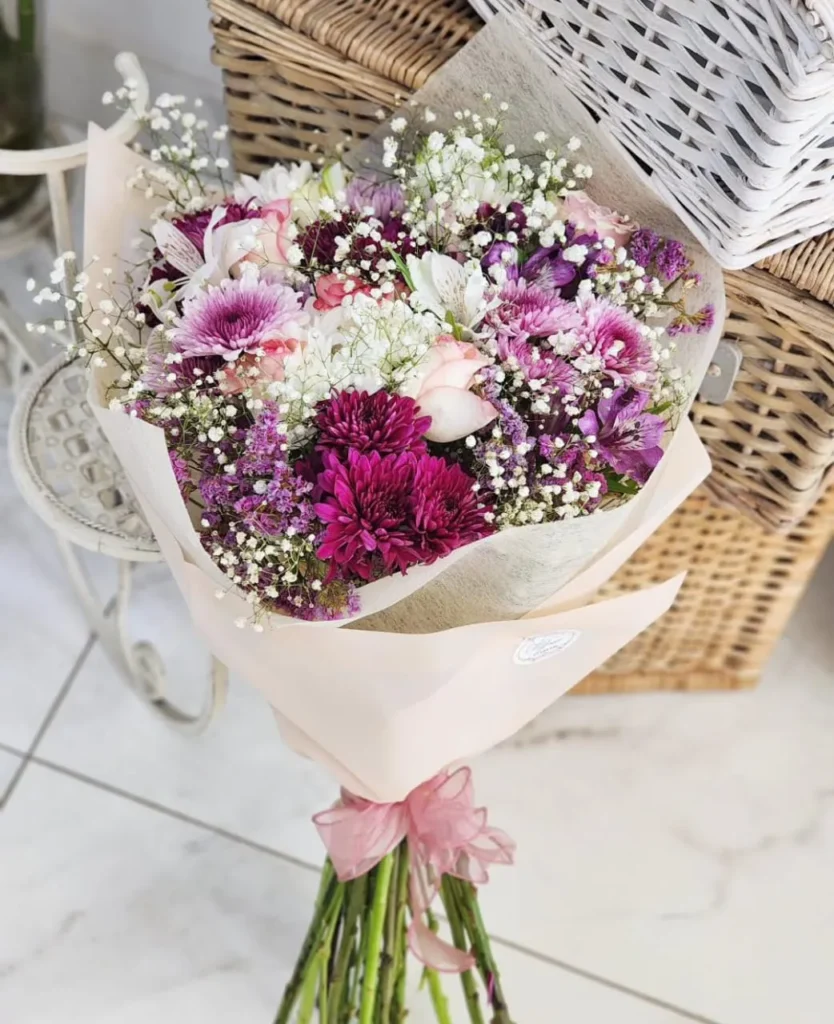
- Hand-tied
- Nosegay
Bridesmaids’ Bouquets
These should complement the bridal bouquet but be simpler and smaller. Matching tones and styles keep everything cohesive.
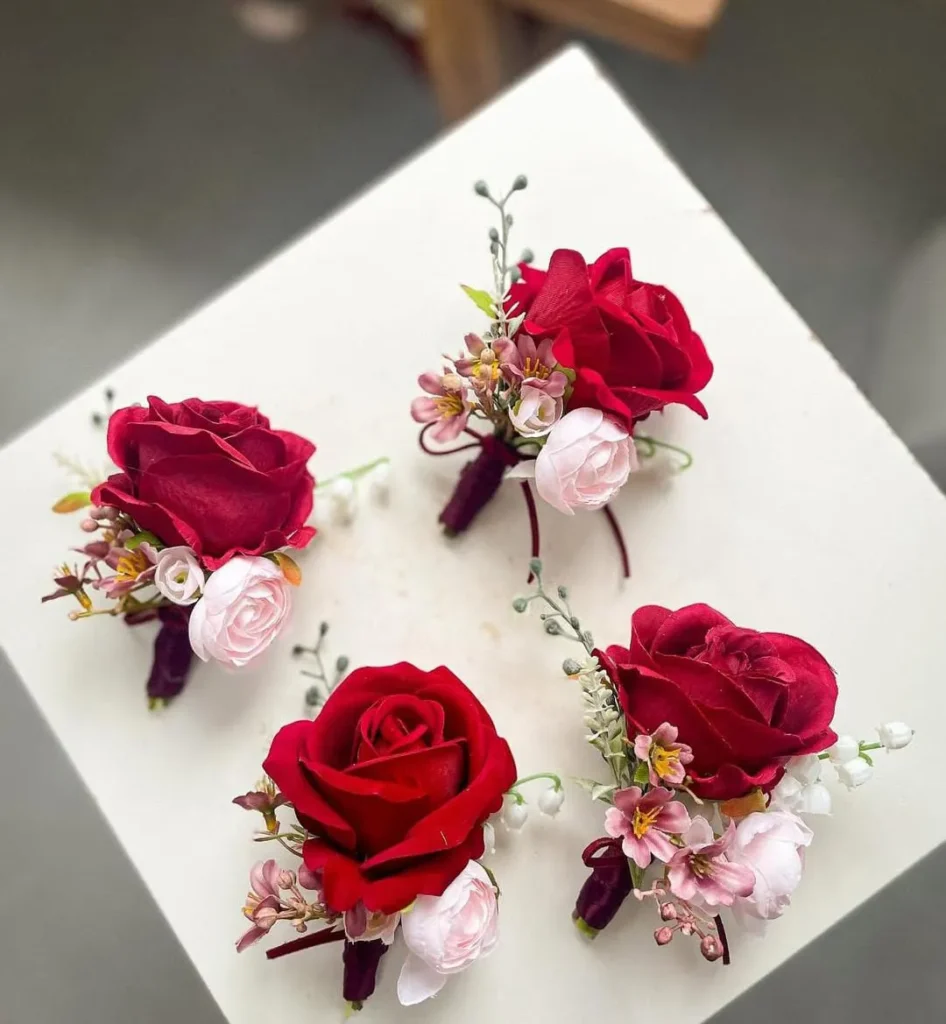
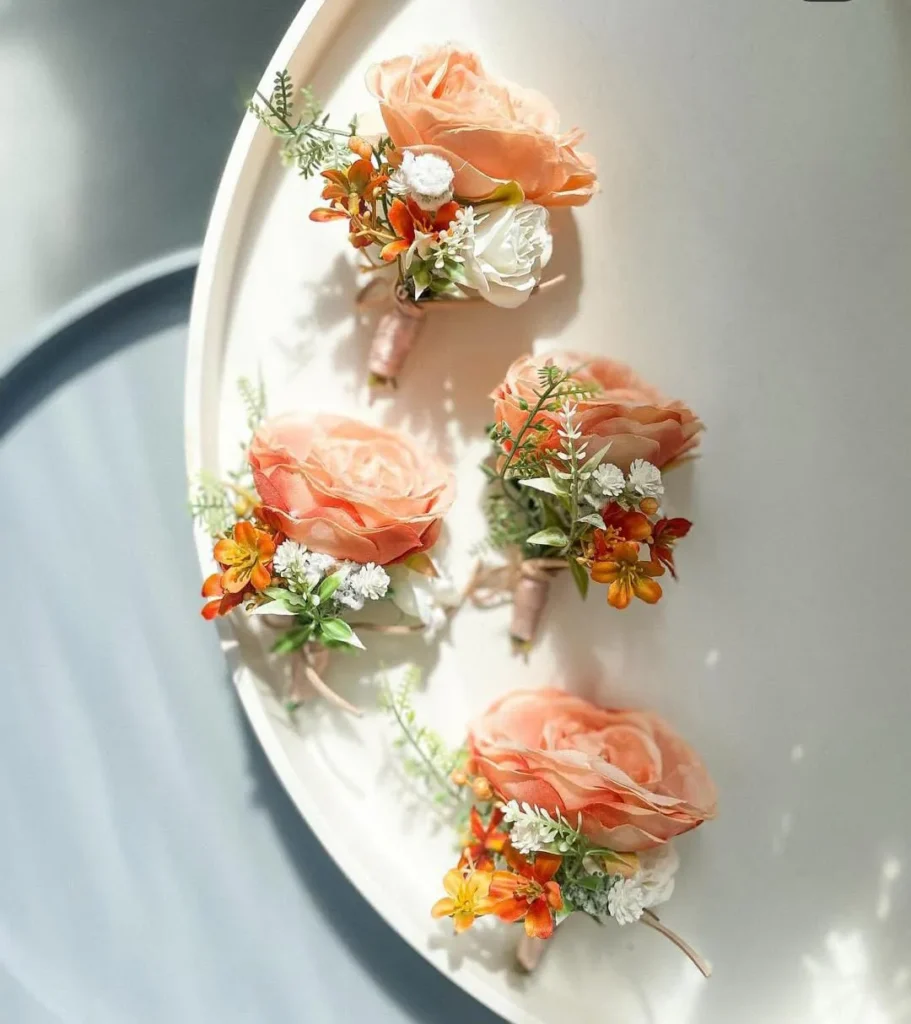
Boutonnieres
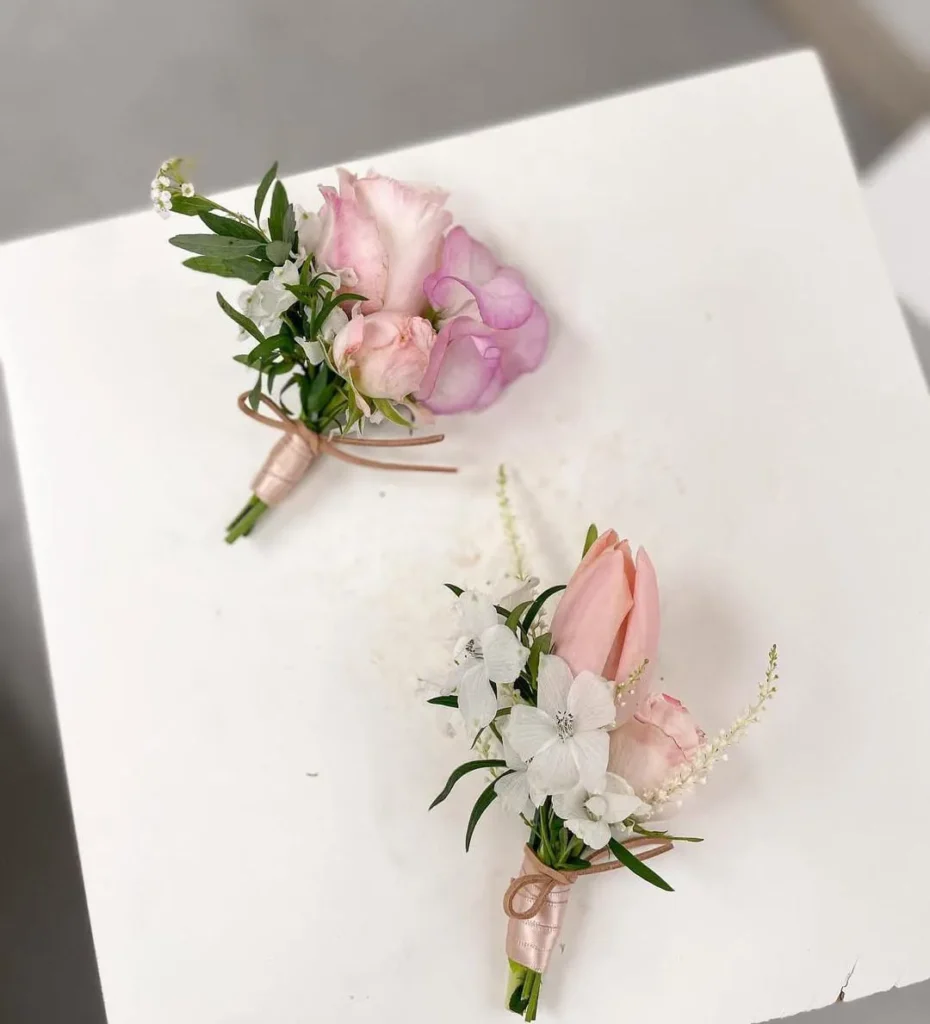
Small flowers worn on the groom’s and groomsmen’s suits. They’re usually made from one or two flowers from the bridal bouquet.
Corsages
Worn by mothers and grandmothers, either on the wrist or pinned to the dress. Corsages are a sweet way to honor family members.
Ceremony Décor
Think floral arches, aisle runners, and altar arrangements. These flowers frame your most important moment.
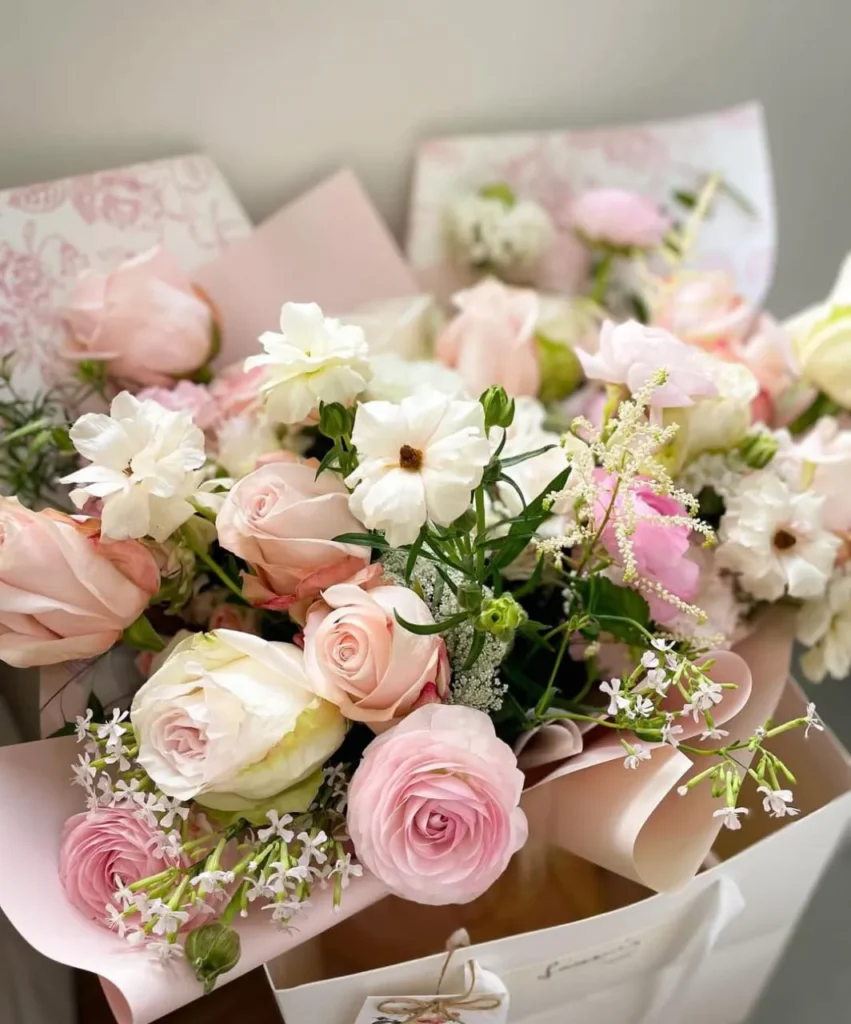
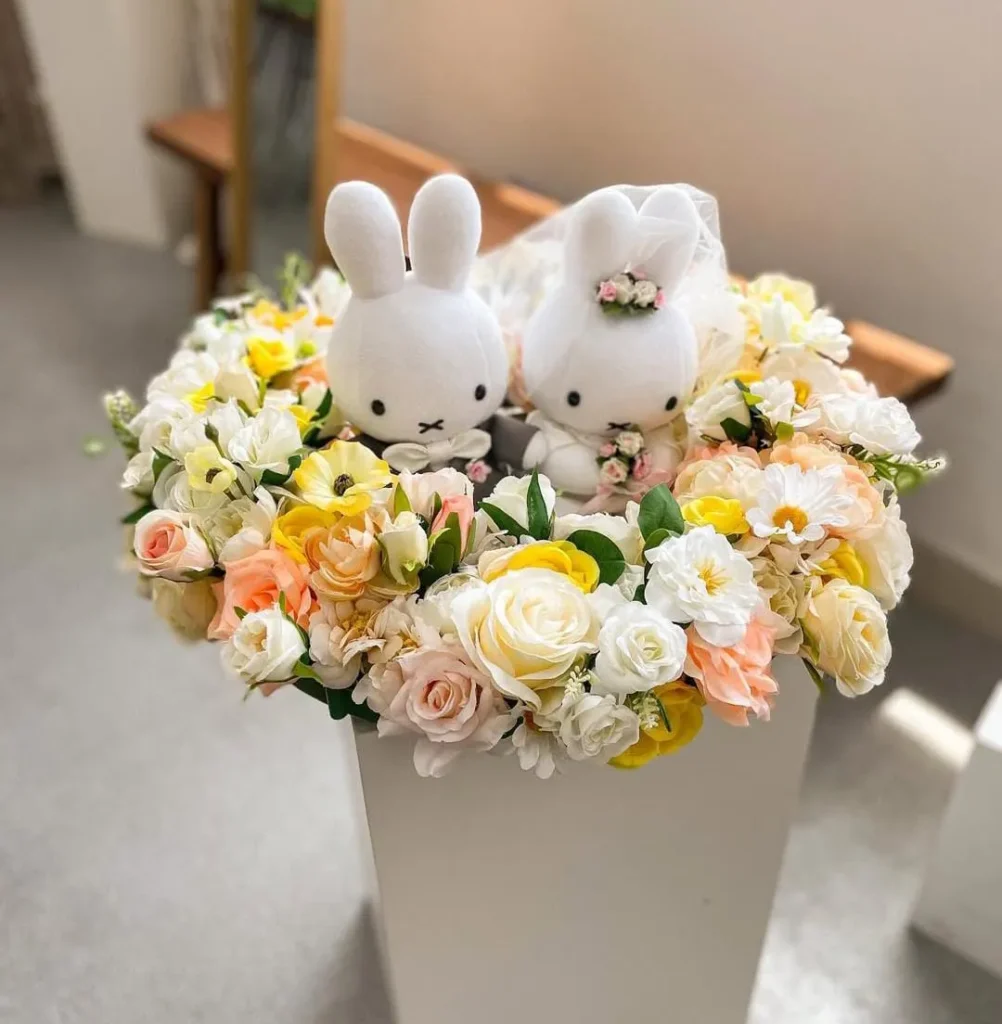

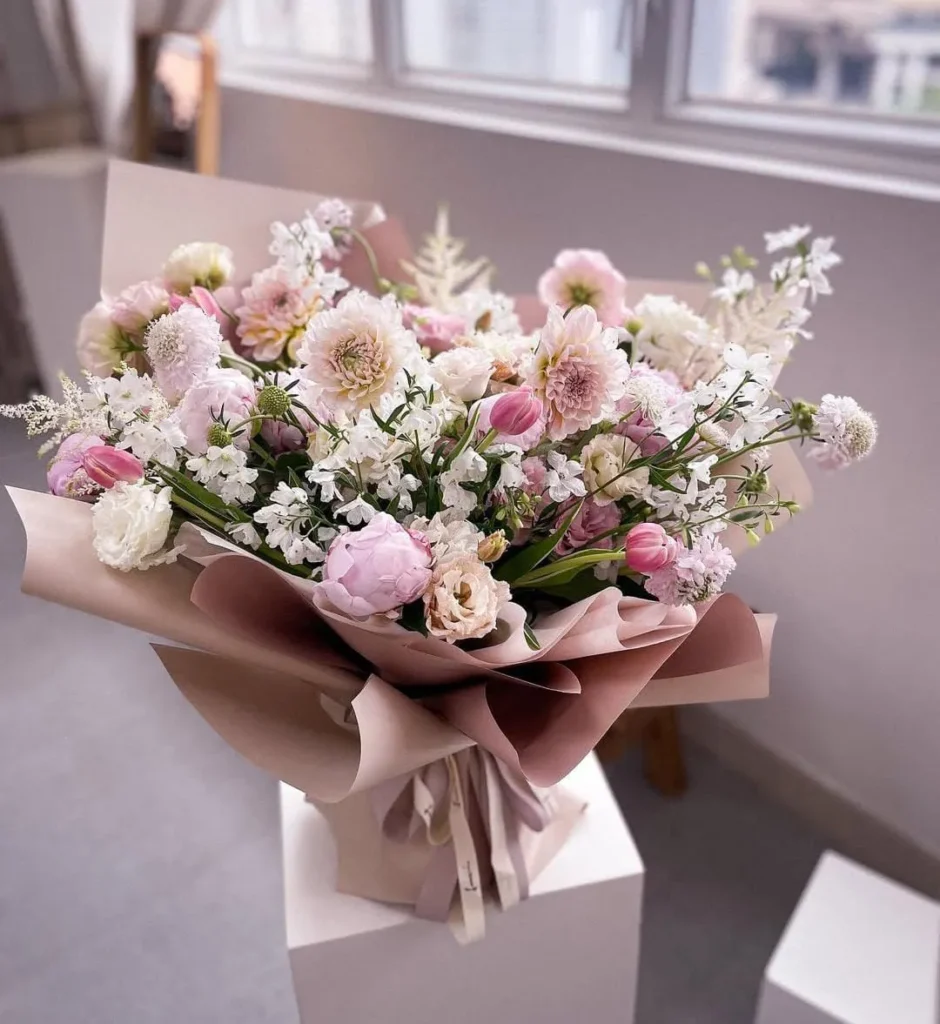


Reception Flowers
Centerpieces, table runners, and decorative pieces around the venue. These set the mood for your celebration and make your photos even more beautiful.
Popular Wedding Flowers and Their Meanings
Here are some timeless favorites:
Roses – Symbolize love, passion, and romance. Available in many colors, each with its own meaning.
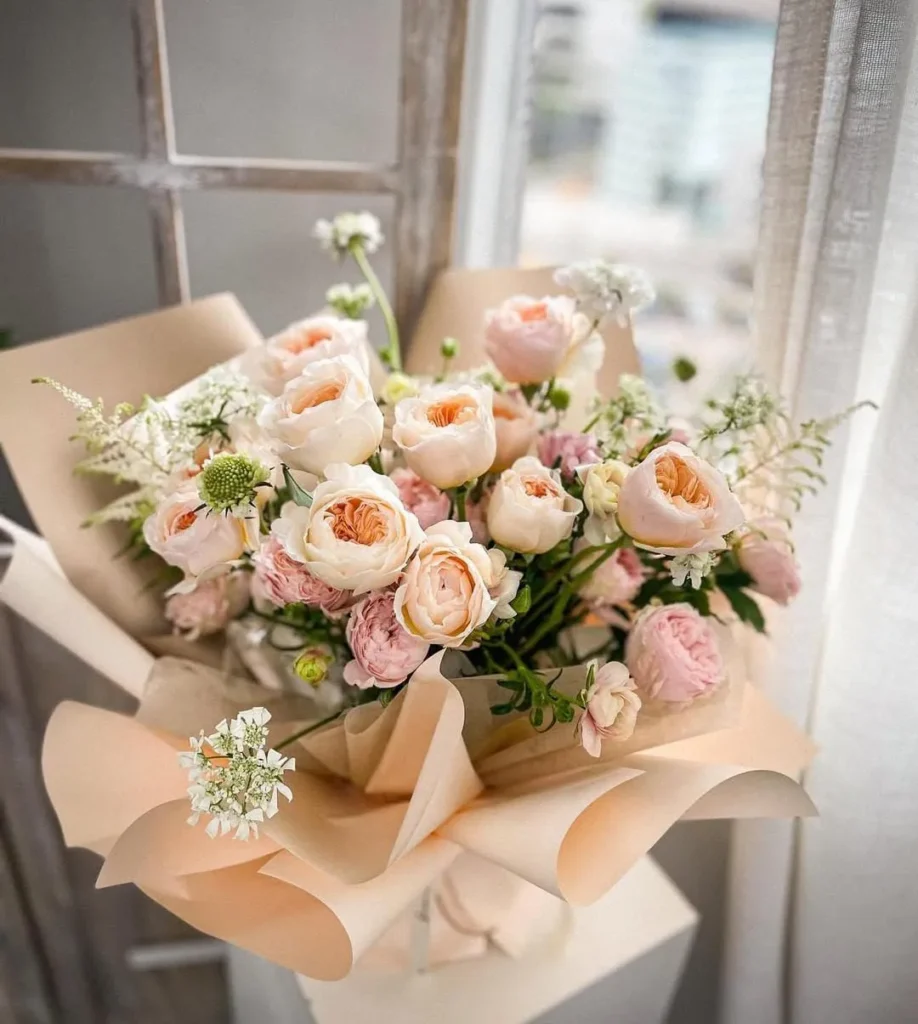
Peonies – Represent a happy marriage, wealth, and honor. They’re lush and elegant.
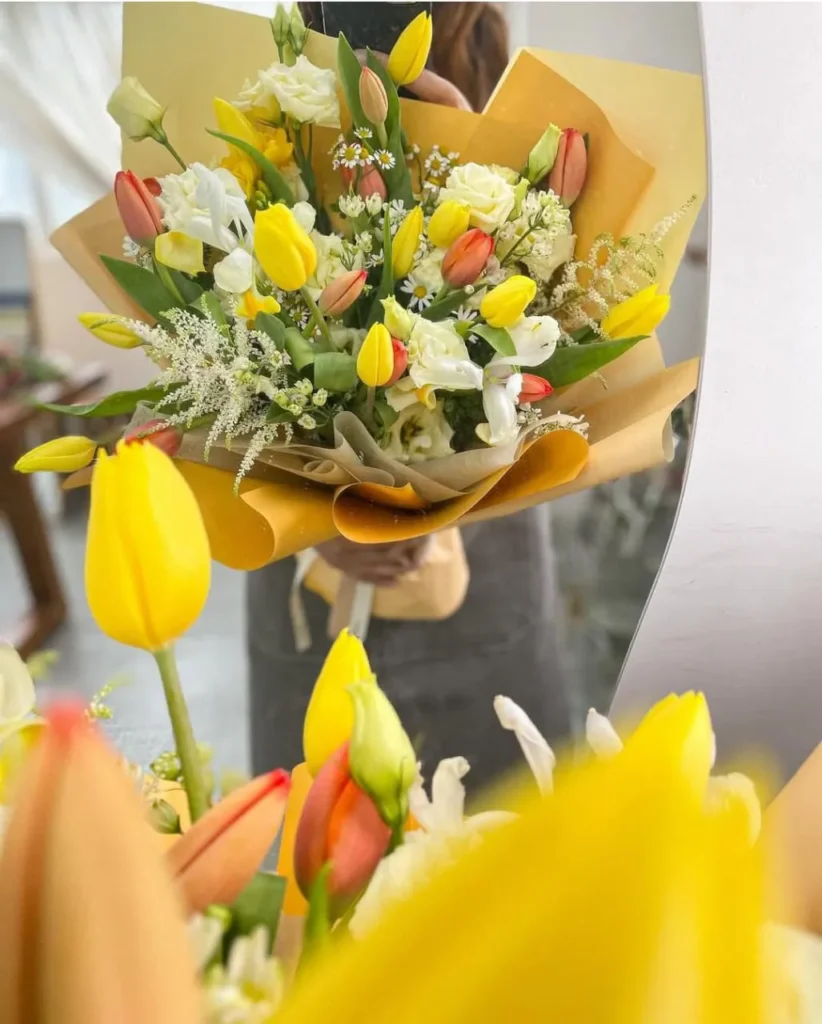
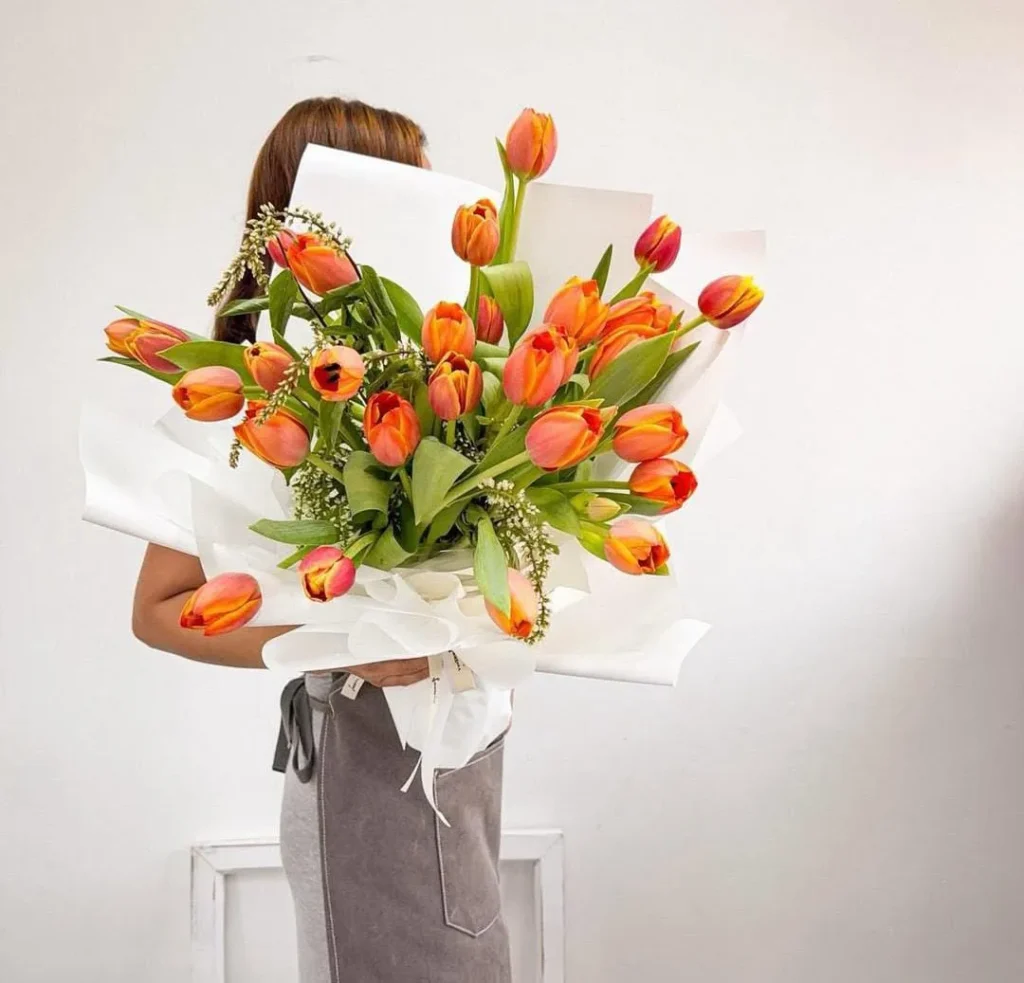
Tulips – Simple yet sophisticated, tulips stand for deep love.
Lilies – White lilies are a symbol of purity and commitment.
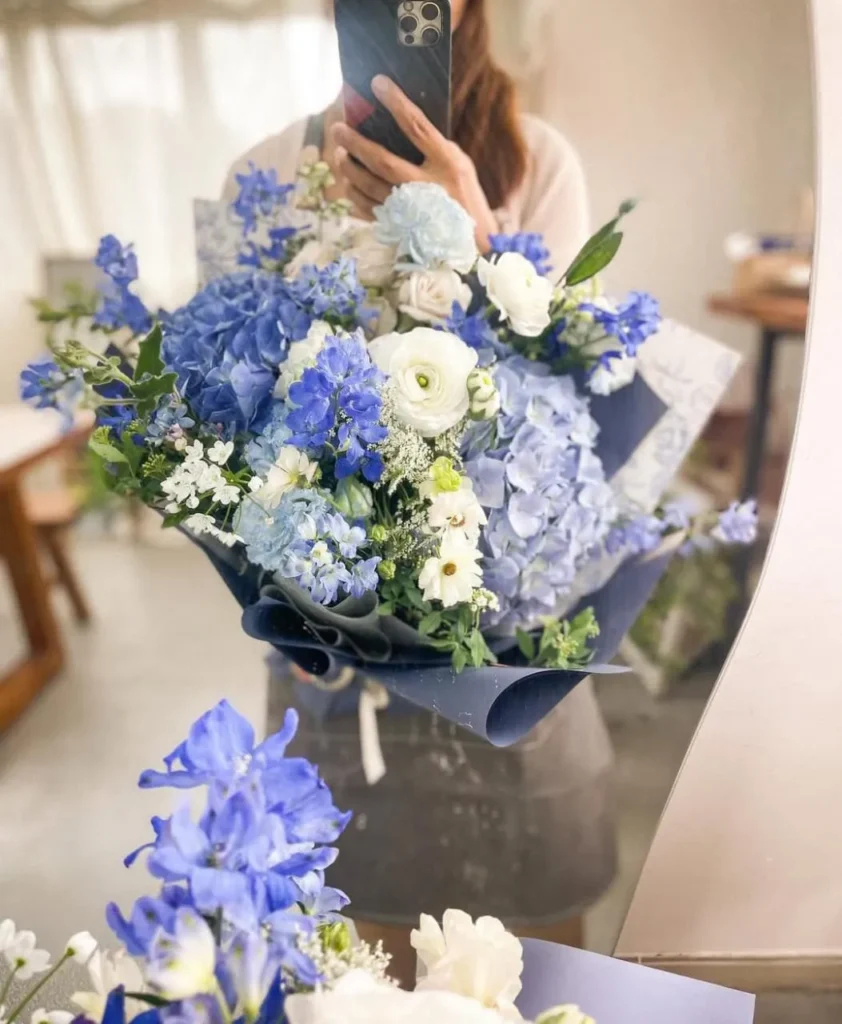
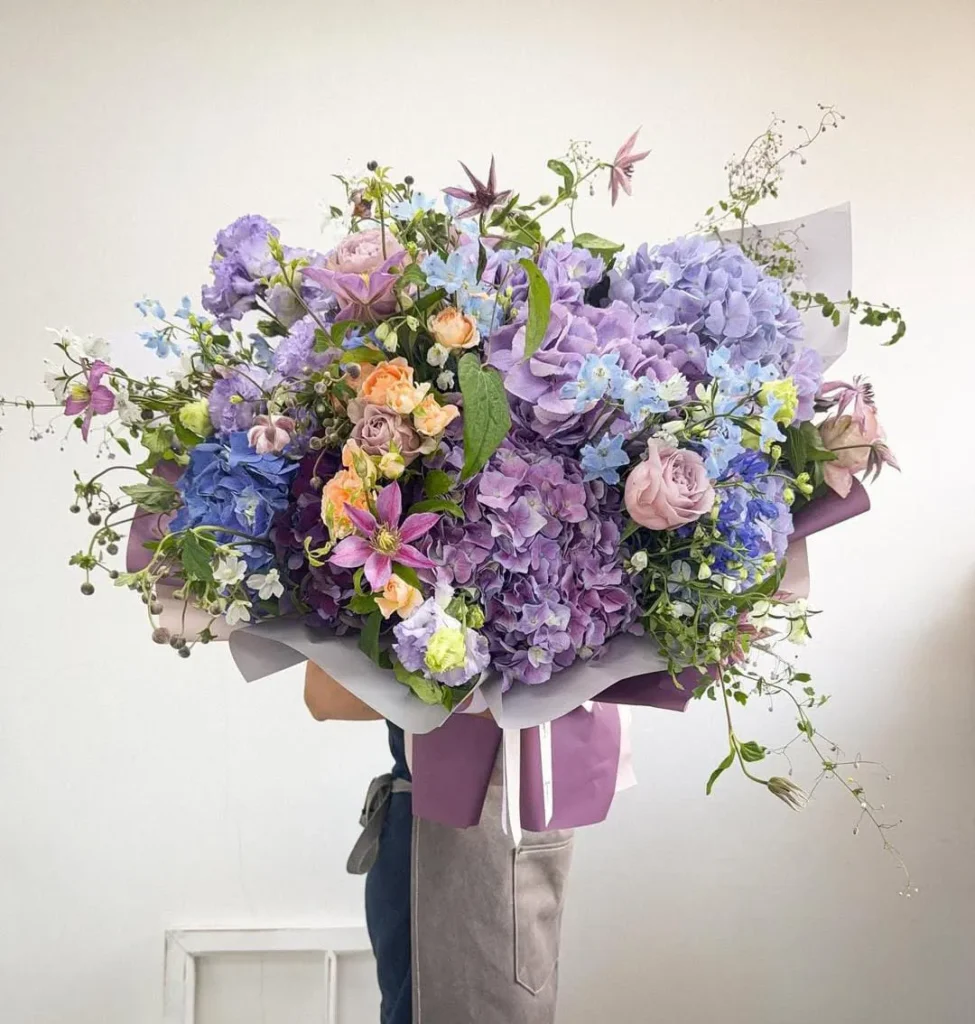
Hydrangeas – Known for abundance and heartfelt emotions.
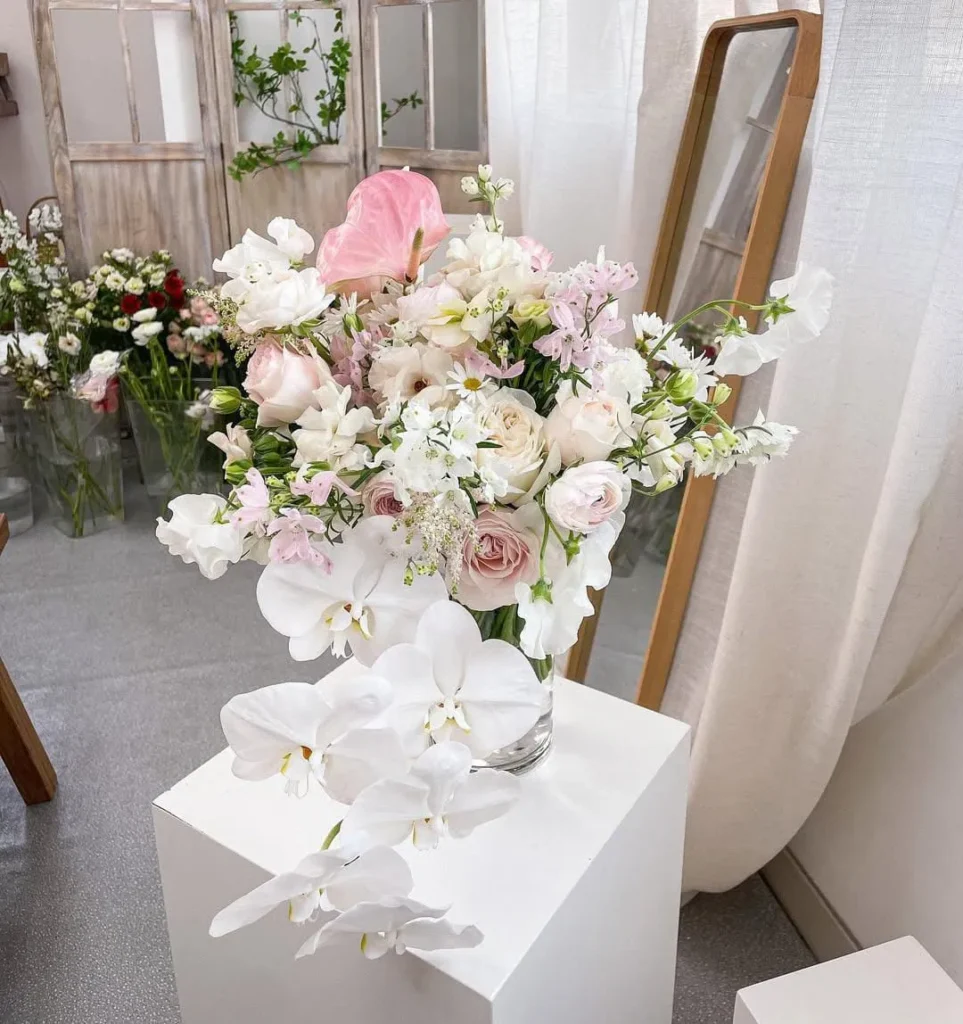
Orchids – Exotic and graceful, orchids represent beauty and strength.
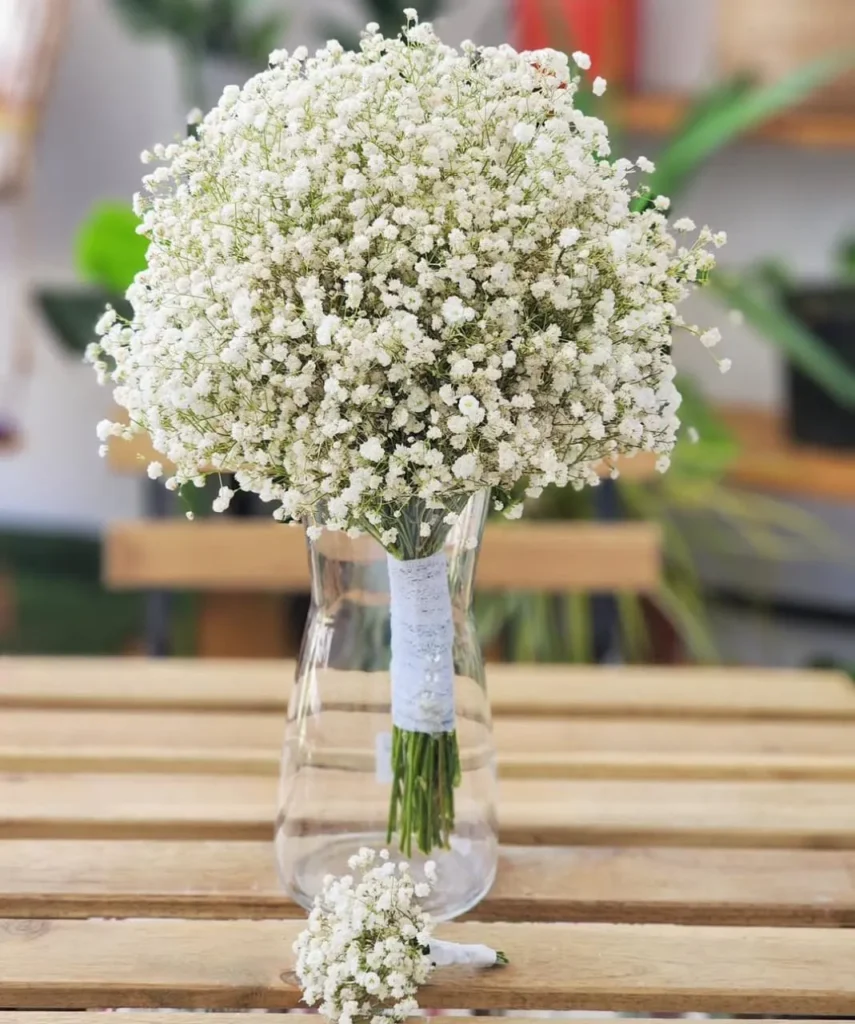
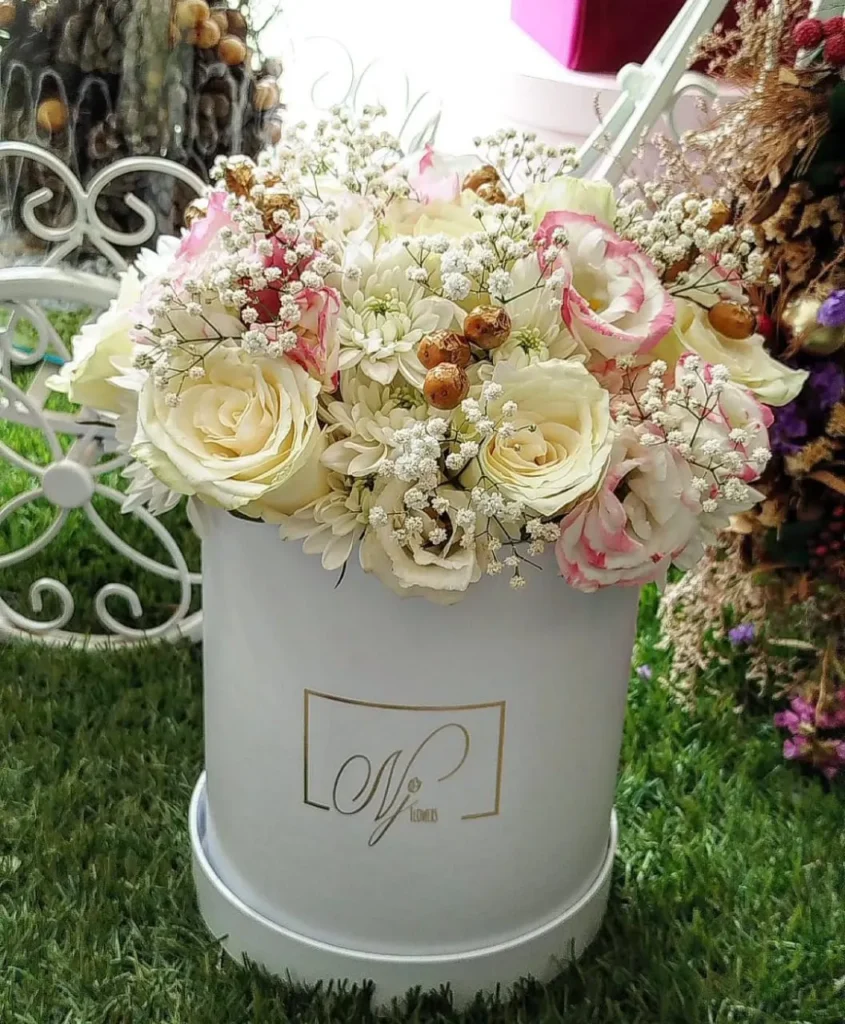
Baby’s Breath – Often used as filler flowers, but their cloud-like appearance adds softness to any bouquet.
Carnations – Affordable and long-lasting, with meanings that vary by color.
Latest Wedding Flower Trends
Like fashion, wedding flower trends evolve every year. Here’s what’s popular right now:
Dried Flowers
Perfect for rustic, boho weddings. Pampas grass, dried roses, and wheat stalks are in high demand. They’re eco-friendly and last forever.
Bold Color Palettes
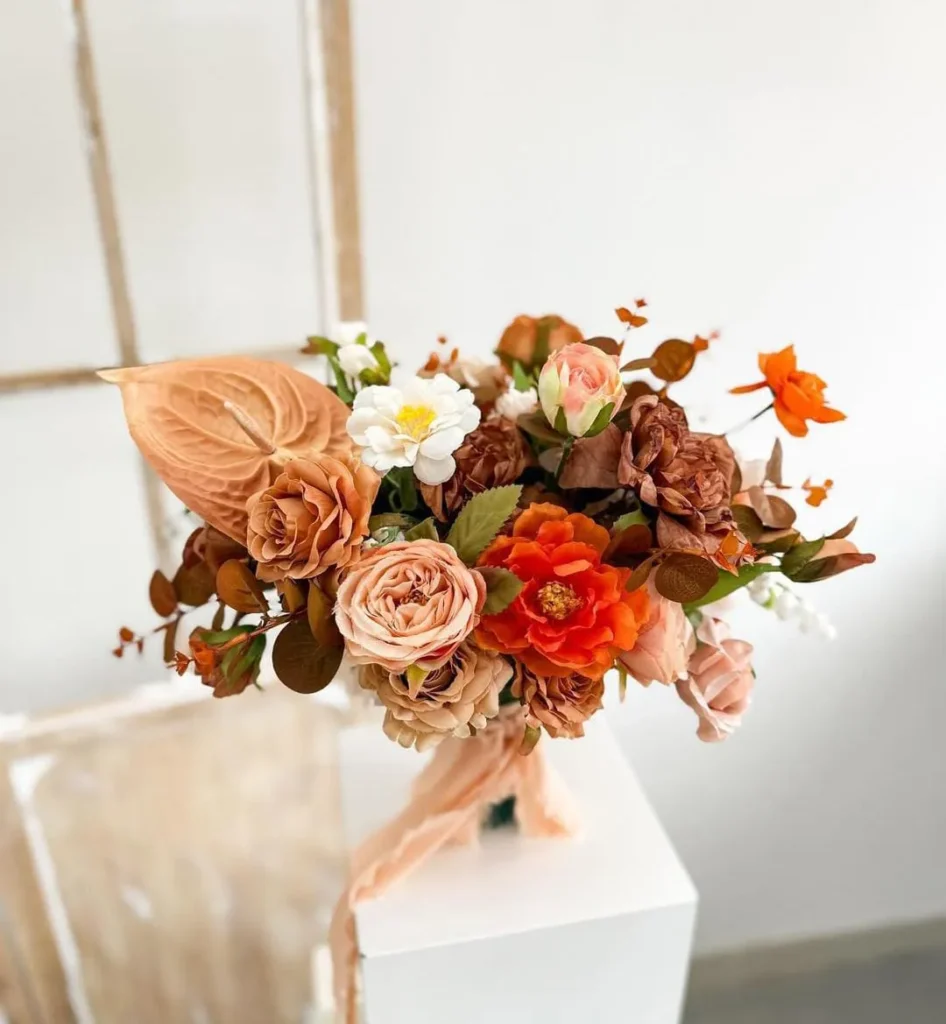
Brides are moving away from soft pastels and choosing rich hues like burnt orange, deep red, and emerald green.
Minimalist Bouquets
Small, chic bouquets are trending. Think single-type flowers or even one giant bloom for a statement.
Floral Installations
Instead of traditional centerpieces, couples are going for hanging floral designs, flower walls, and floral chandeliers.
Locally Grown Flowers
Supporting local growers not only helps the environment but also gives your wedding a fresh, unique look.
Eco-Friendly Flower Choices
Sustainability is becoming a key part of wedding planning. If you care about the environment, here are some tips:
- Choose local and seasonal flowers.
- Rent floral arrangements instead of buying.
- Donate flowers after the wedding to hospitals or shelters.
- Use potted plants that guests can take home.
You can still have a beautiful wedding while being kind to nature.
DIY Wedding Flowers: Is It Worth It?
Many couples try DIY flower arrangements to save money. It’s possible, but there are pros and cons.
Pros:
- Cost-effective
- Customizable
- A fun bonding activity
Cons:
- Time-consuming
- Requires storage and care
- Can be stressful close to the wedding
If you choose DIY, do a trial run and involve friends or family. You don’t want to be arranging flowers on your wedding morning.
Working with a Florist
Hiring a professional florist can be one of the best decisions you make. They bring expertise, creativity, and peace of mind.
Tips for working with a florist:
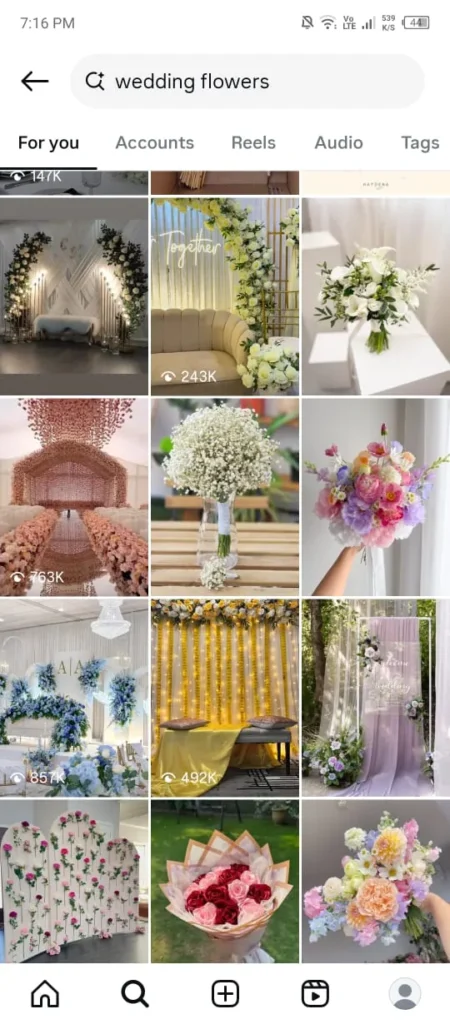
- Show them photos of what you like
- Be clear about your budget
- Ask for advice on seasonal alternatives
- Schedule early consultations (6–9 months before the wedding)
A good florist will listen to your vision and turn it into reality, often better than you imagined.
Budget Tips for Wedding Flowers
Flowers can be expensive, but you don’t need to break the bank.
Here’s how to save:
- Focus on key areas like the altar and reception entrance
- Repurpose ceremony flowers at the reception
- Use more greenery—it’s affordable and stylish
- Mix expensive blooms with filler flowers
- Choose in-season and local flowers
Also, be honest with your florist. Most are happy to suggest creative ways to keep things beautiful within your budget.
Wedding Flower Color Combinations That Work Every Time
Colors play a huge role in how your floral setup feels. Here are a few timeless combinations:
Blush, White & Green – Romantic and classic.
Burgundy & Dusty Rose – Perfect for fall weddings.
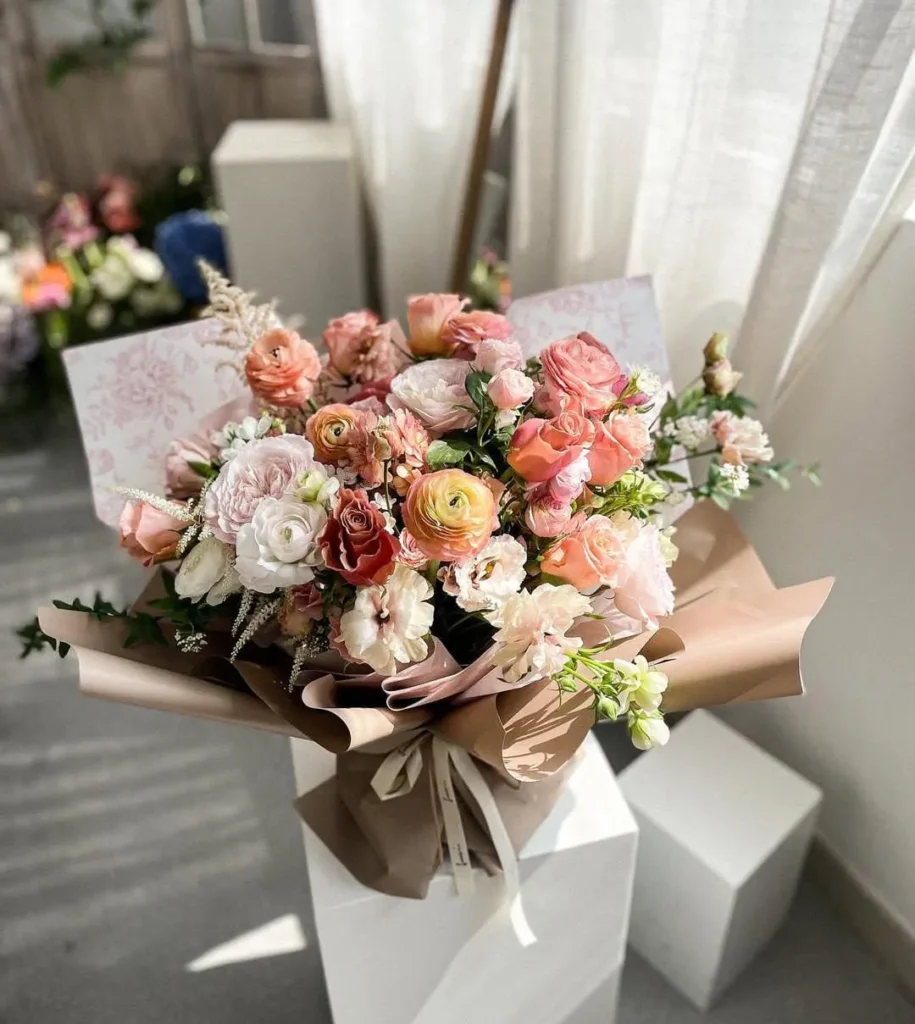
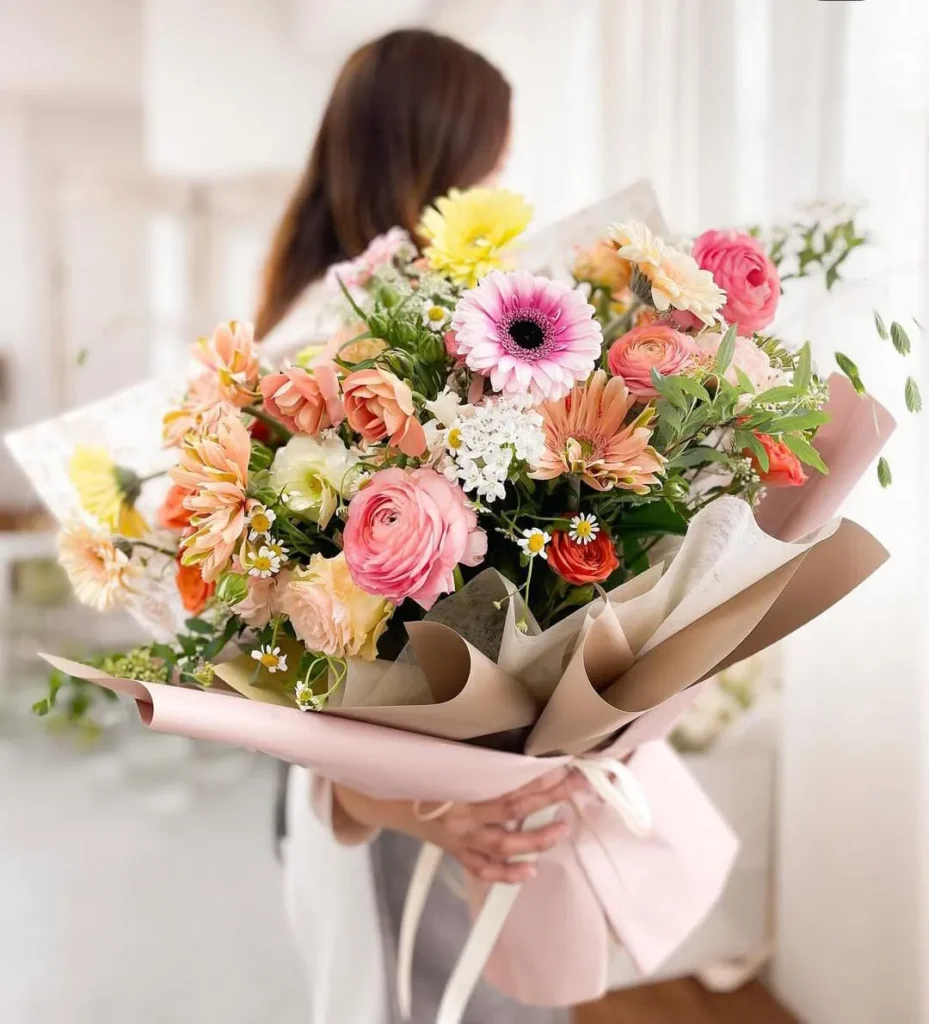
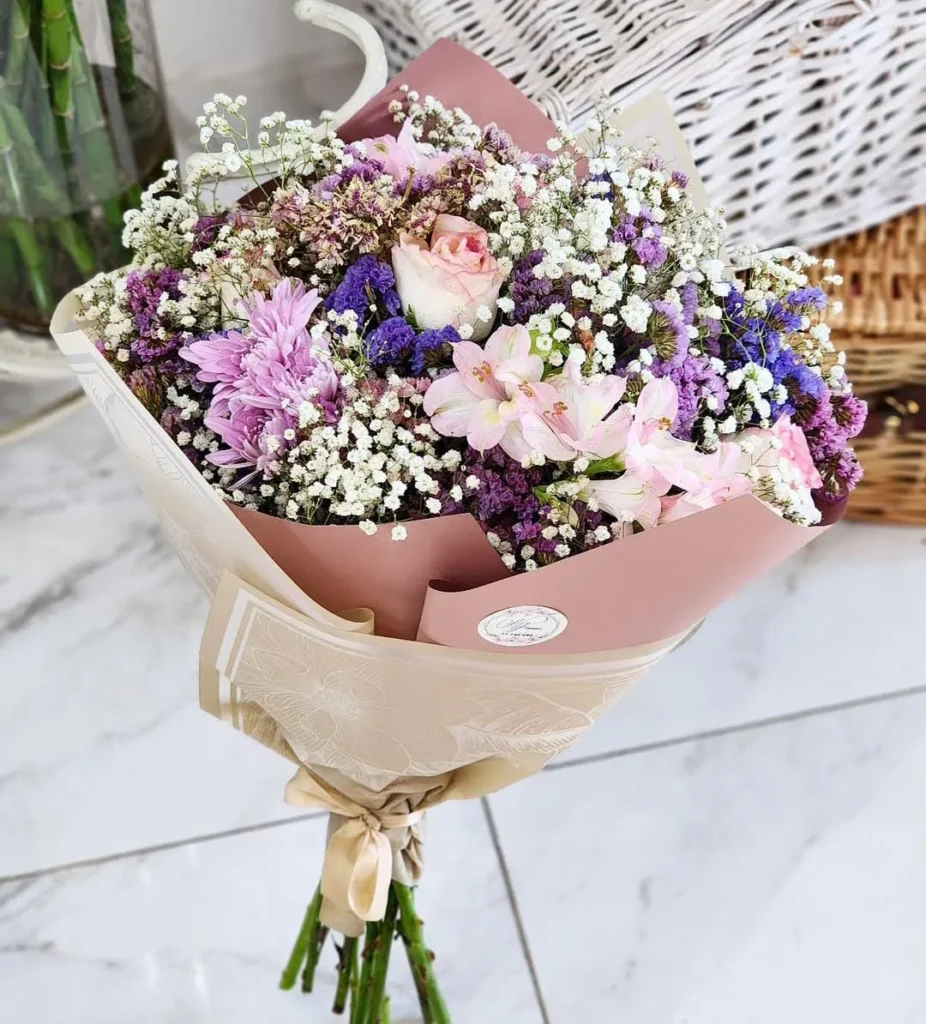
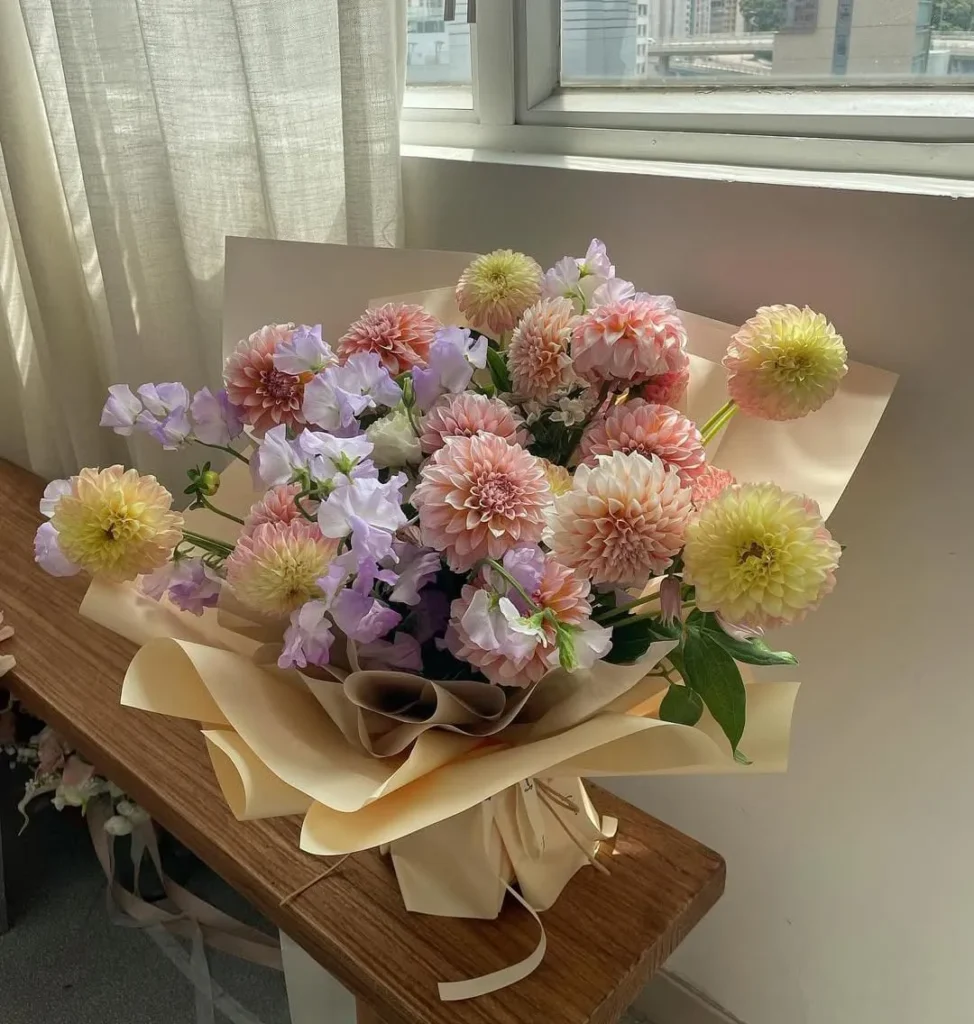
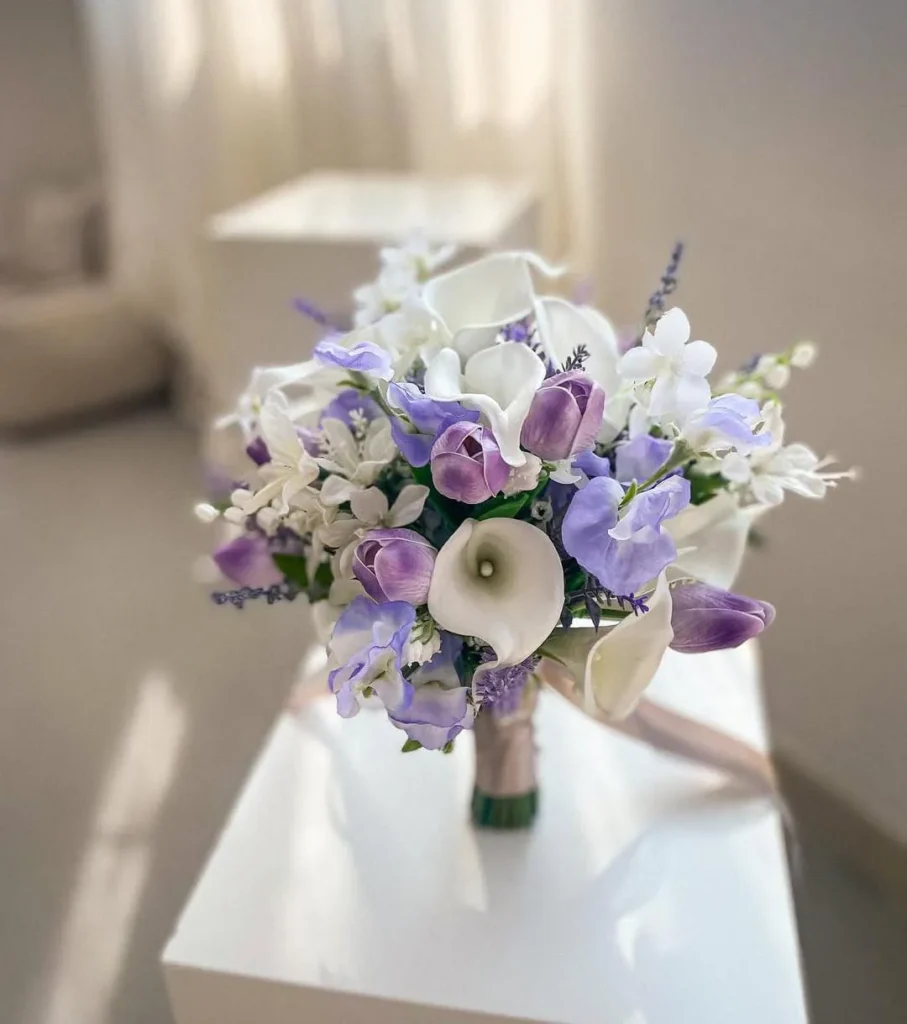
Lavender, Peach & Cream – Soft and dreamy.
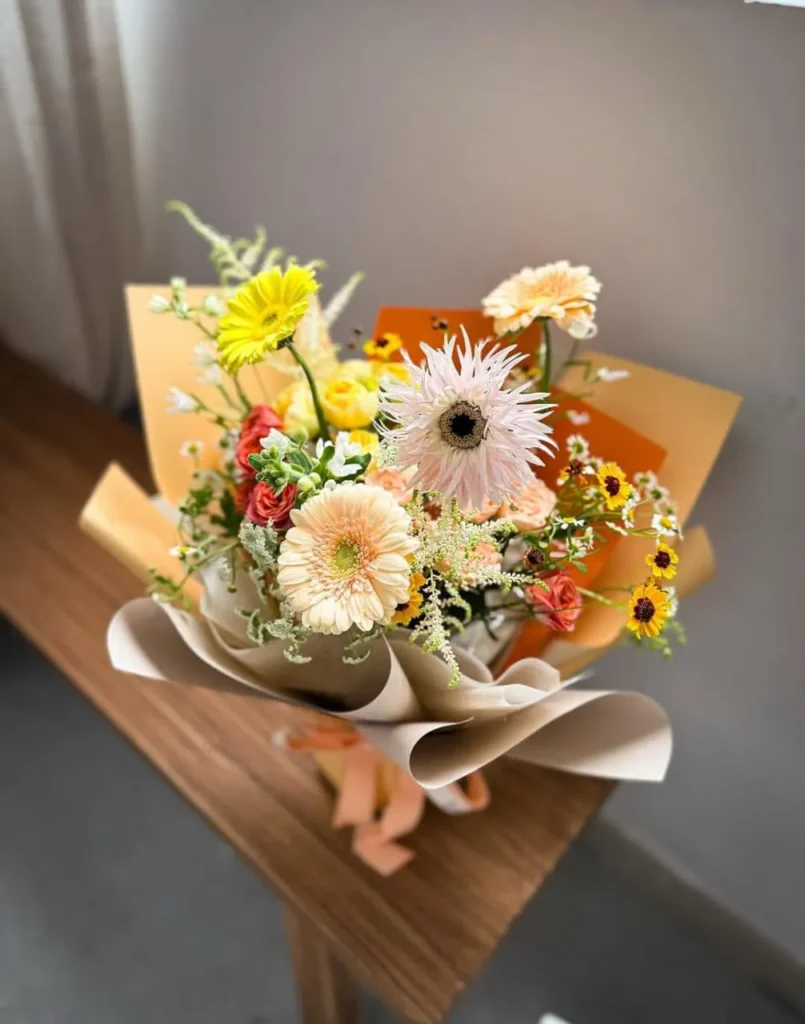
Orange & Yellow – Bright and joyful, great for outdoor weddings.
Navy & White with Gold Accents – Elegant and formal.
Don’t be afraid to mix and match. Just keep balance in mind—too many bold colors can clash.
Flower Alternatives for Non-Traditional Brides
Not every bride dreams of a rose bouquet. If you want something unique, try:
- Paper flowers (they last forever!)
- Silk or artificial flowers
- Flower brooch bouquets
- Feathers, crystals, or fabric designs
- Dried flowers and herbs
These alternatives can be creative, meaningful, and budget-friendly.
Keeping Flowers Fresh on the Big Day
Here are a few quick tips to keep your blooms fresh and fabulous:
- Keep flowers in water as long as possible before the ceremony
- Store them in a cool place away from sunlight
- Use floral sprays to hydrate
- Have someone in charge of flower care (a friend or coordinator)
Your bouquet will be in hundreds of photos, so make sure it stays picture-perfect!
Final Thoughts
Wedding flowers bring life, color, and personality to your big day. Whether you prefer traditional roses or a wild mix of garden blooms, your choices should reflect your style and story.
Take your time to explore, experiment, and enjoy the process. Whether you work with a florist or go the DIY route, the most important thing is that your flowers feel like you.
Remember, it’s not just about trends—it’s about love, celebration, and creating moments you’ll cherish forever.