
The Ultimate Guide to Choosing the Perfect Wedding Cake
A wedding cake is more than just a dessert—it’s a statement piece, a symbol of celebration, and one of the most photographed elements of a wedding. From its design to its flavor, every detail tells a part of the couple’s story. In this guide, we’ll walk you through everything you need to know about choosing, designing, and presenting the perfect wedding cake for your big day.
The History and Symbolism of the Wedding Cake
Wedding cakes have been around for centuries. Ancient Romans believed that breaking a loaf of barley bread over the bride’s head would bring good fortune. Over time, this tradition evolved into the layered confections we see today. The white color of the cake traditionally symbolized purity and wealth, while the cutting of the cake represents the couple’s first task together.
Modern weddings have taken this tradition to creative new heights, with cakes becoming unique expressions of style, taste, and personality.
Choosing the Right Wedding Cake Style
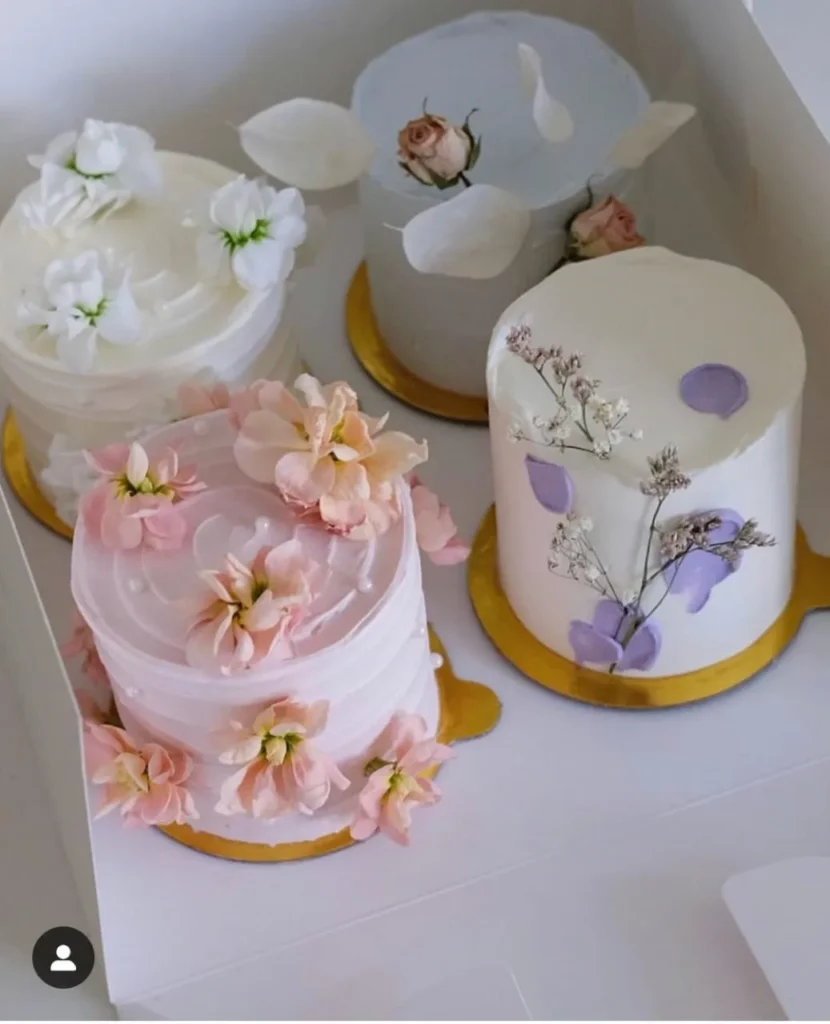
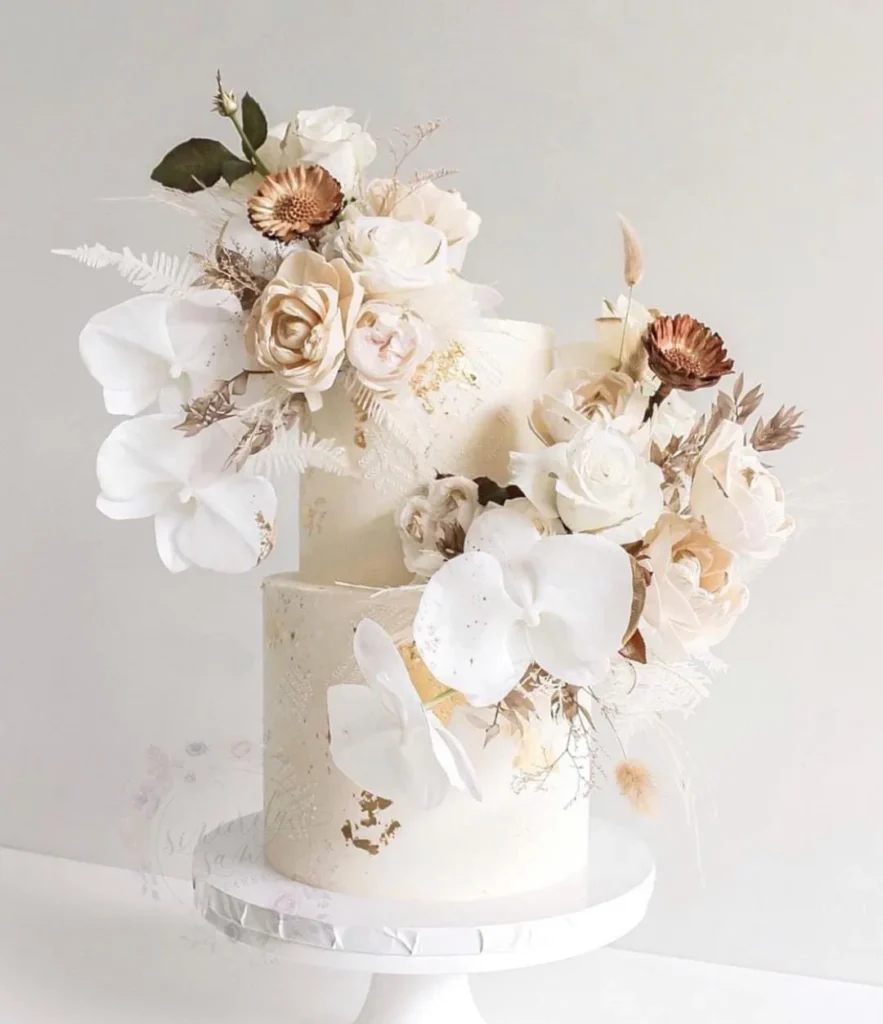
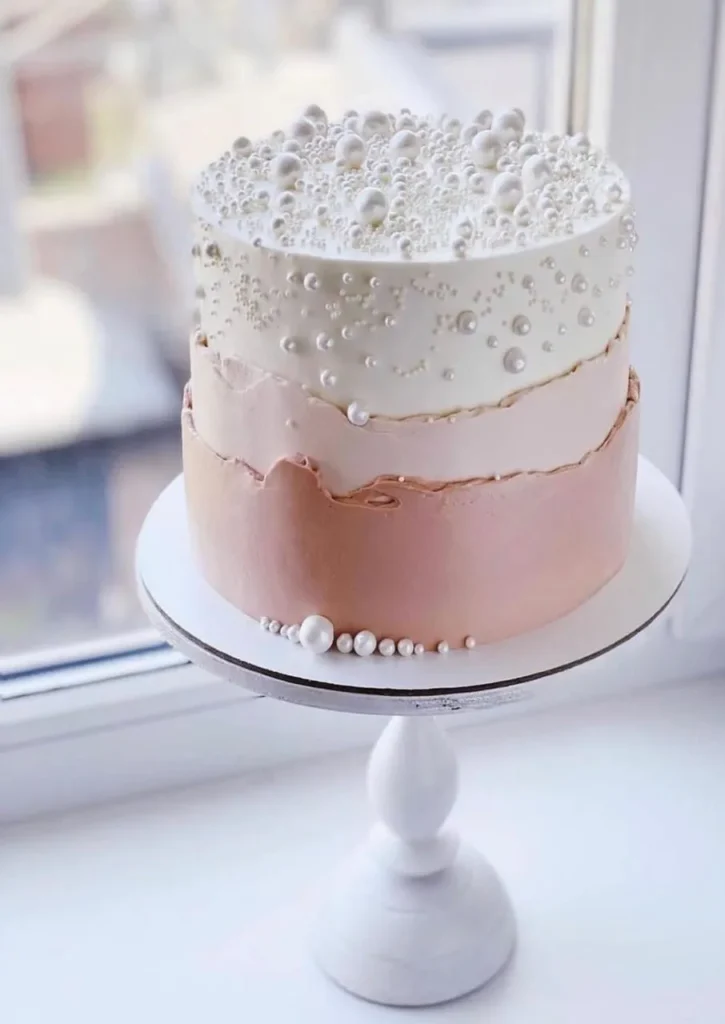
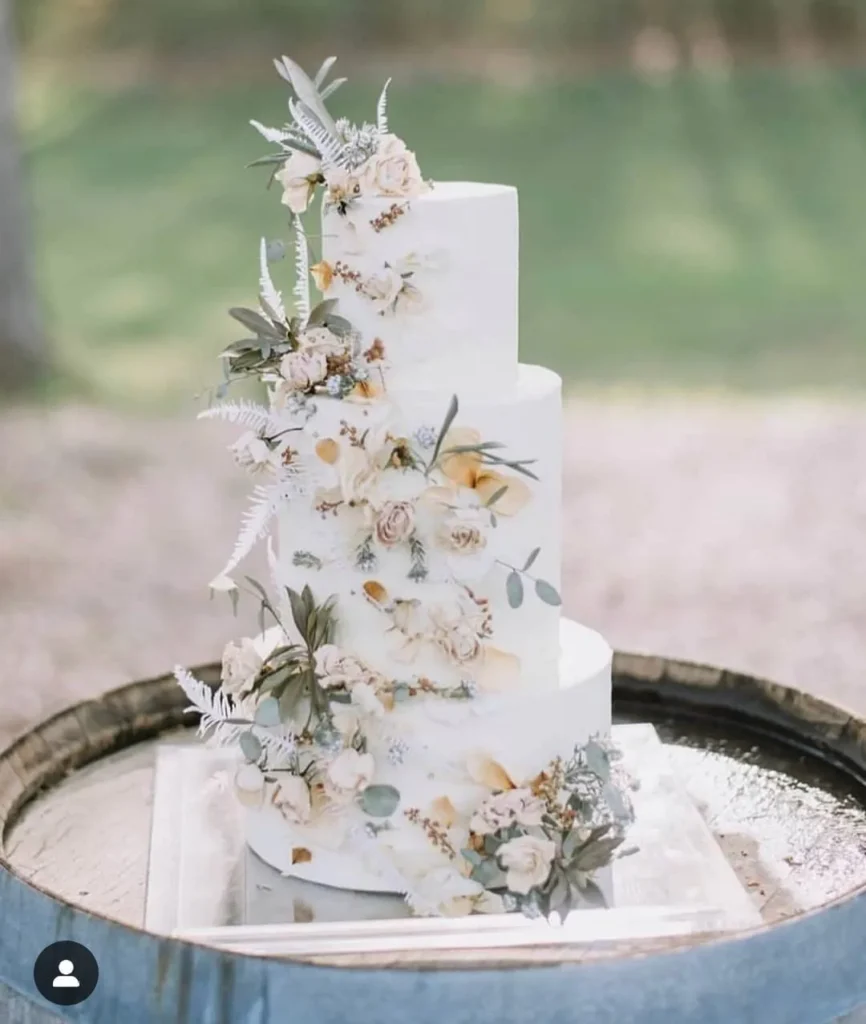
Wedding cakes come in countless styles, from timeless classics to bold contemporary designs. Here are some popular choices:
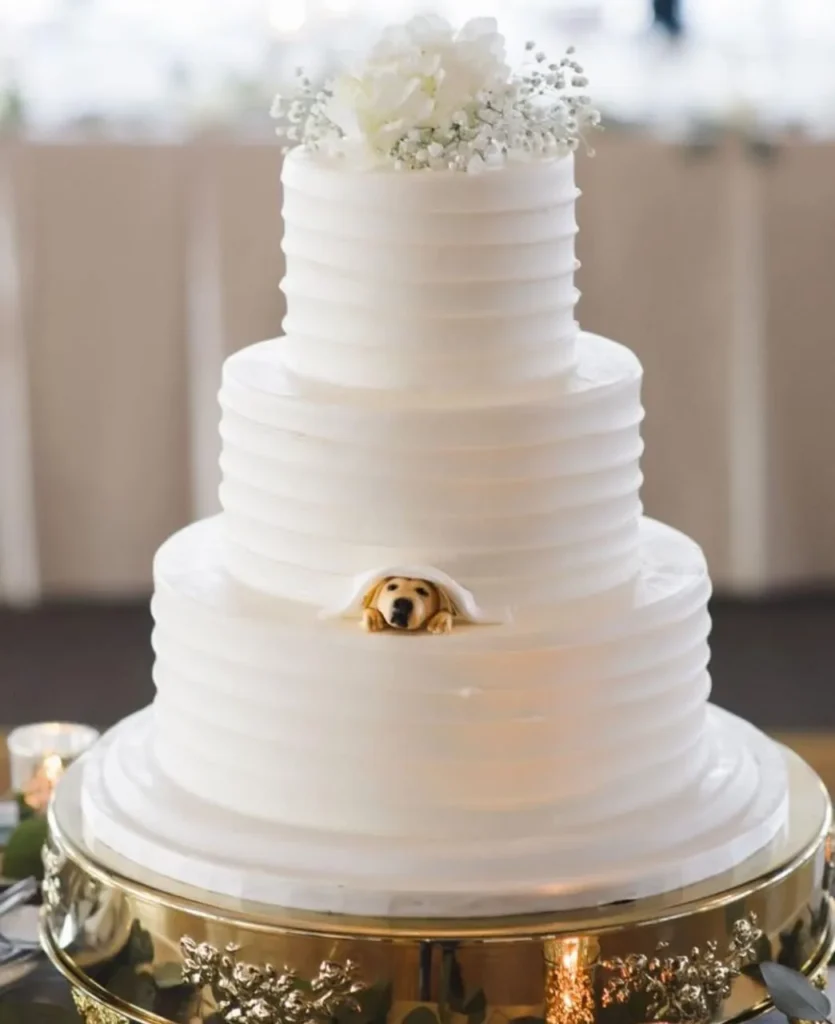
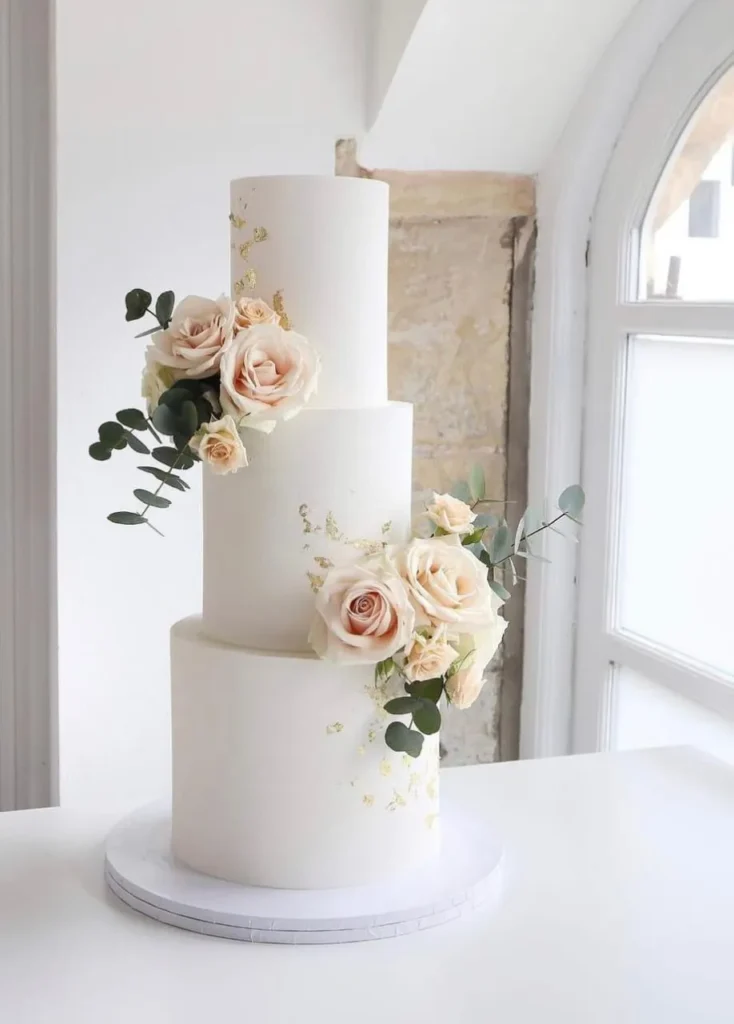
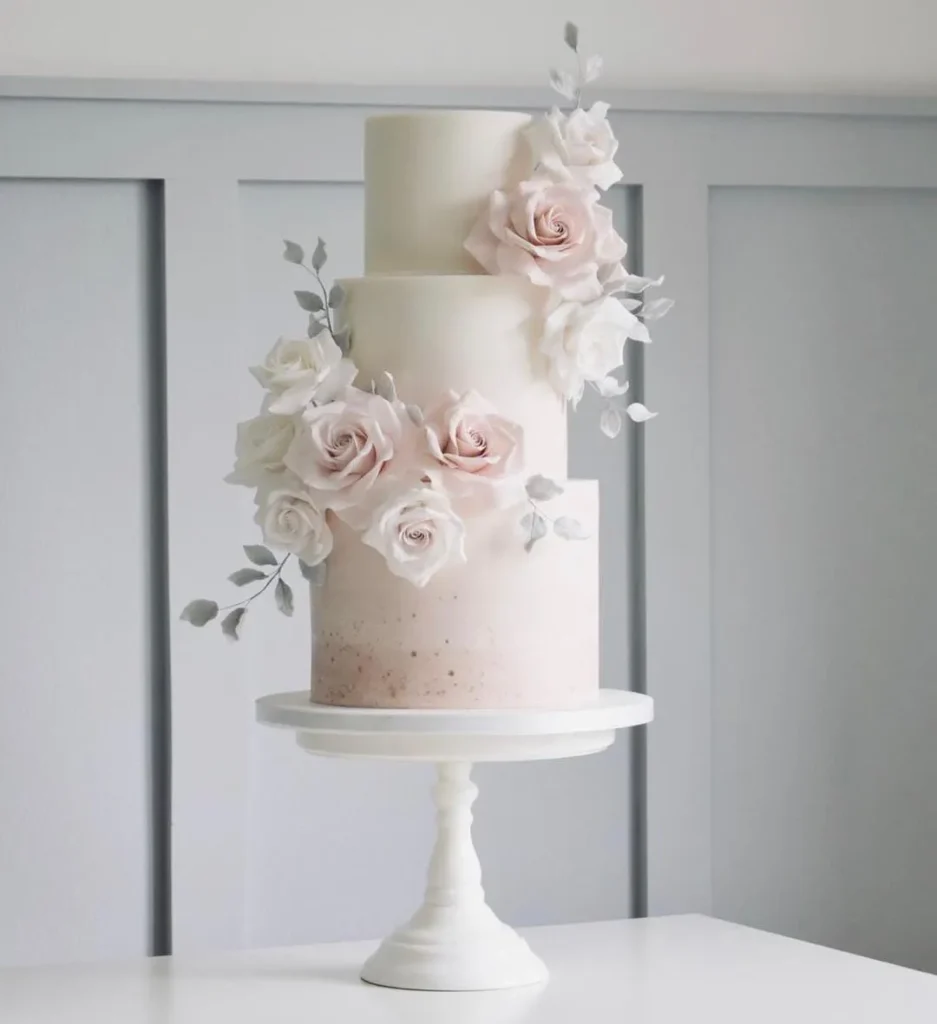
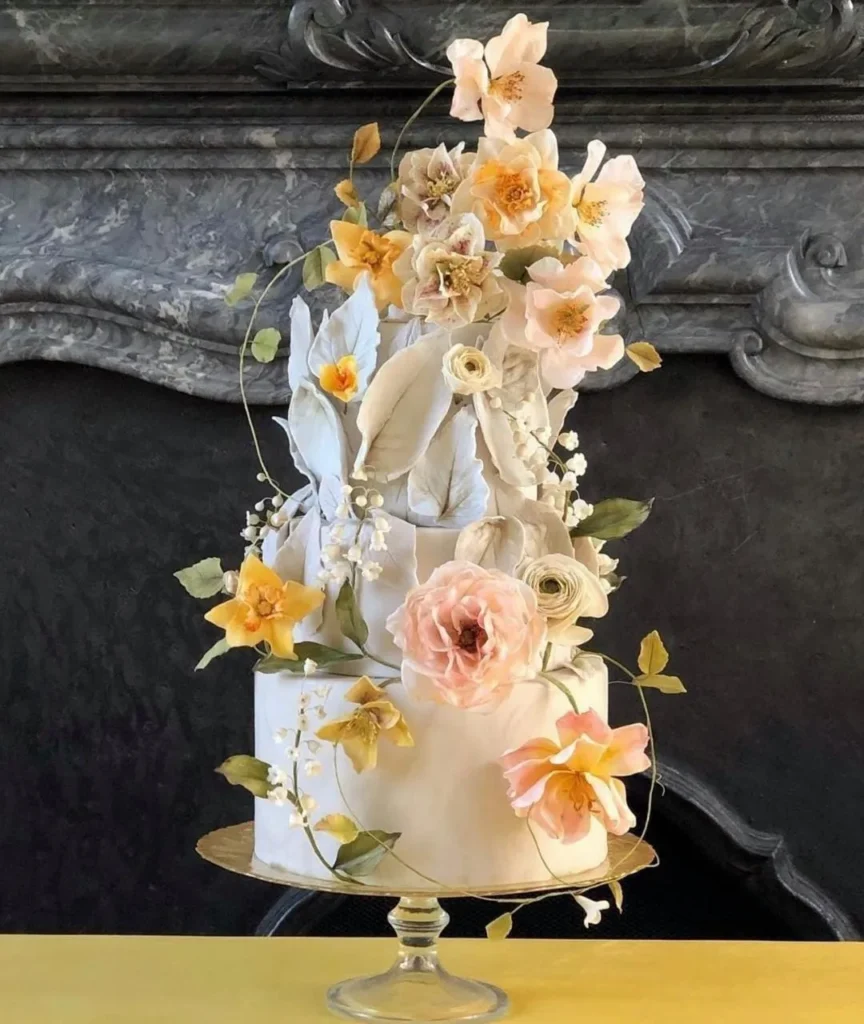
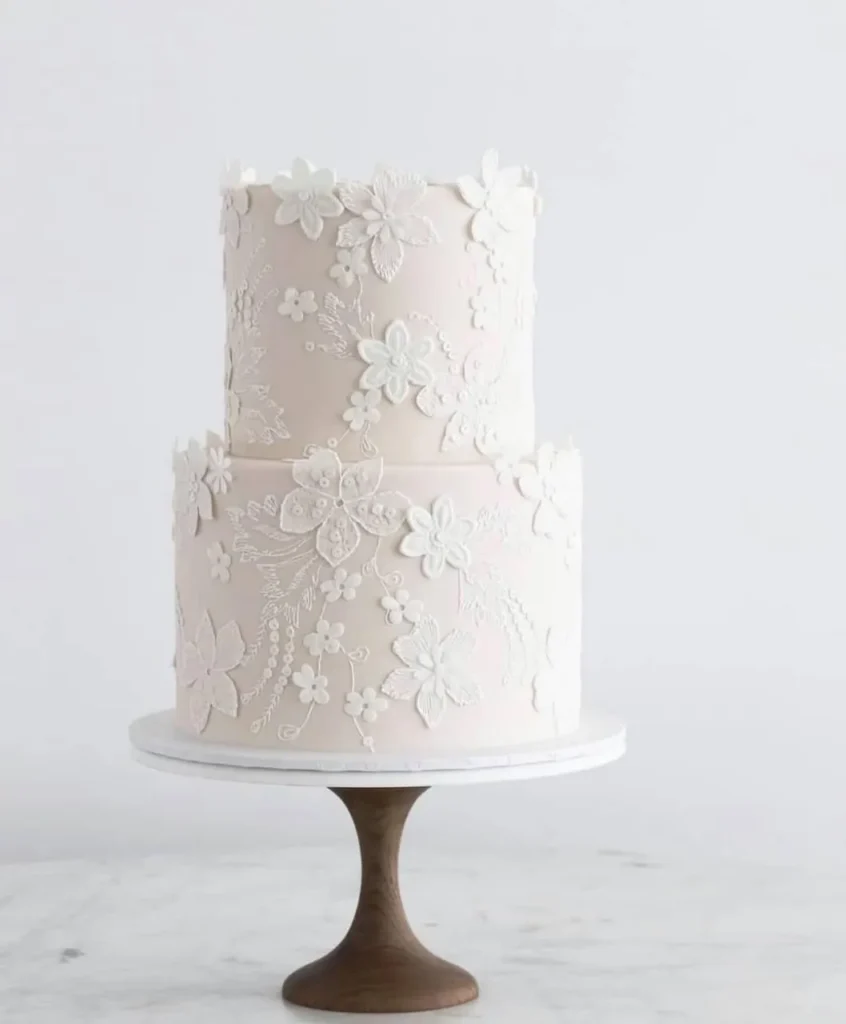
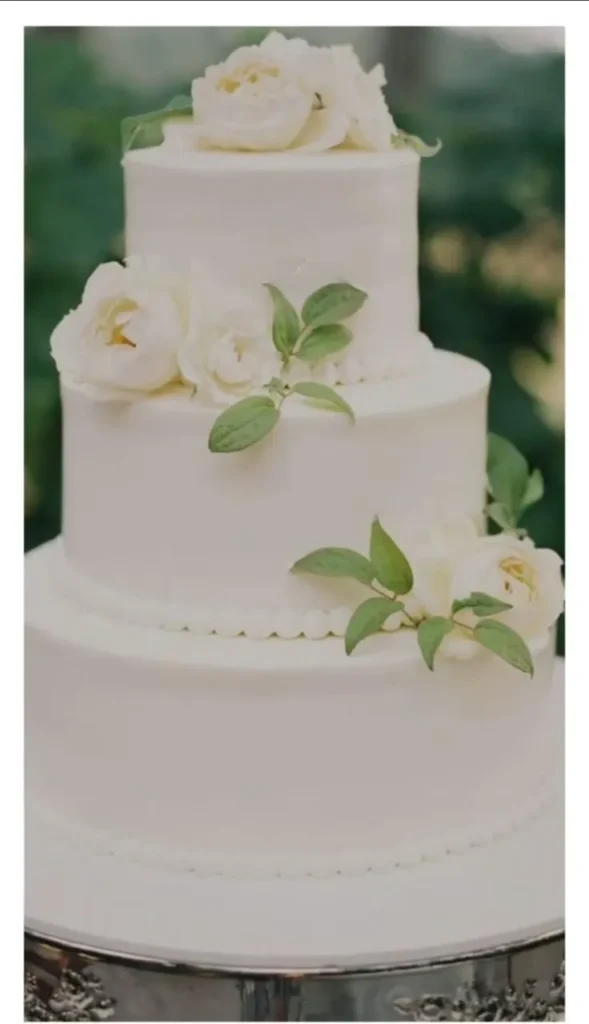
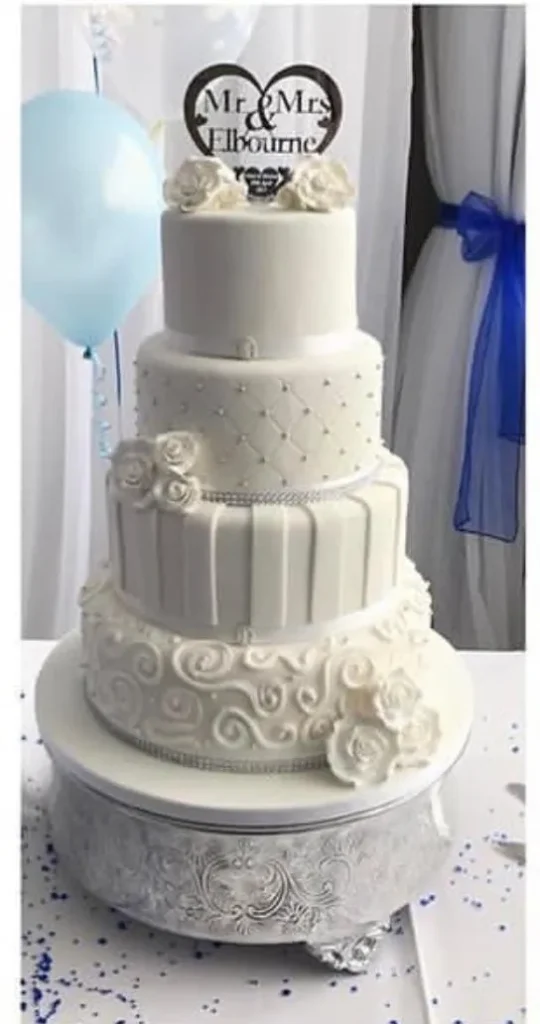
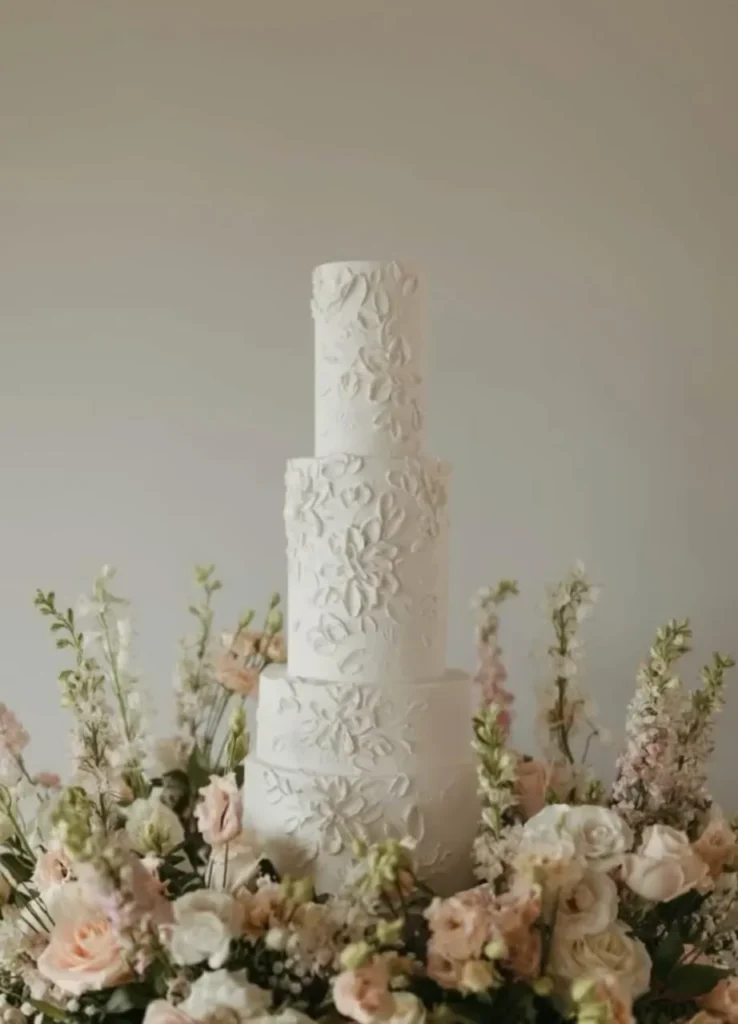
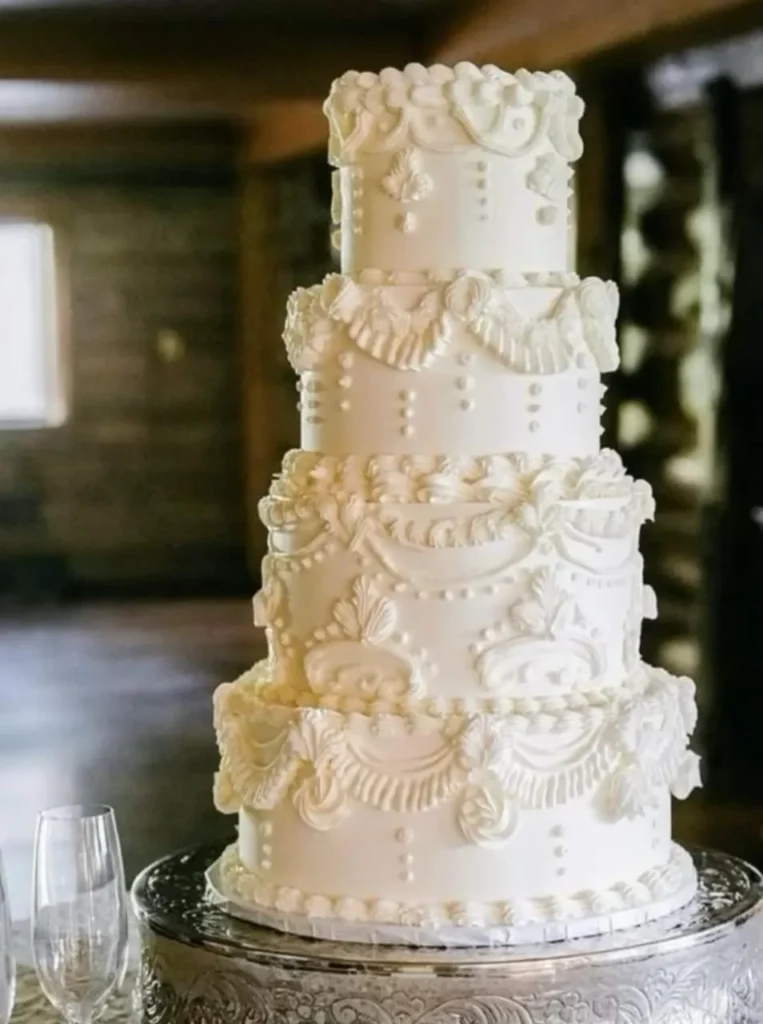
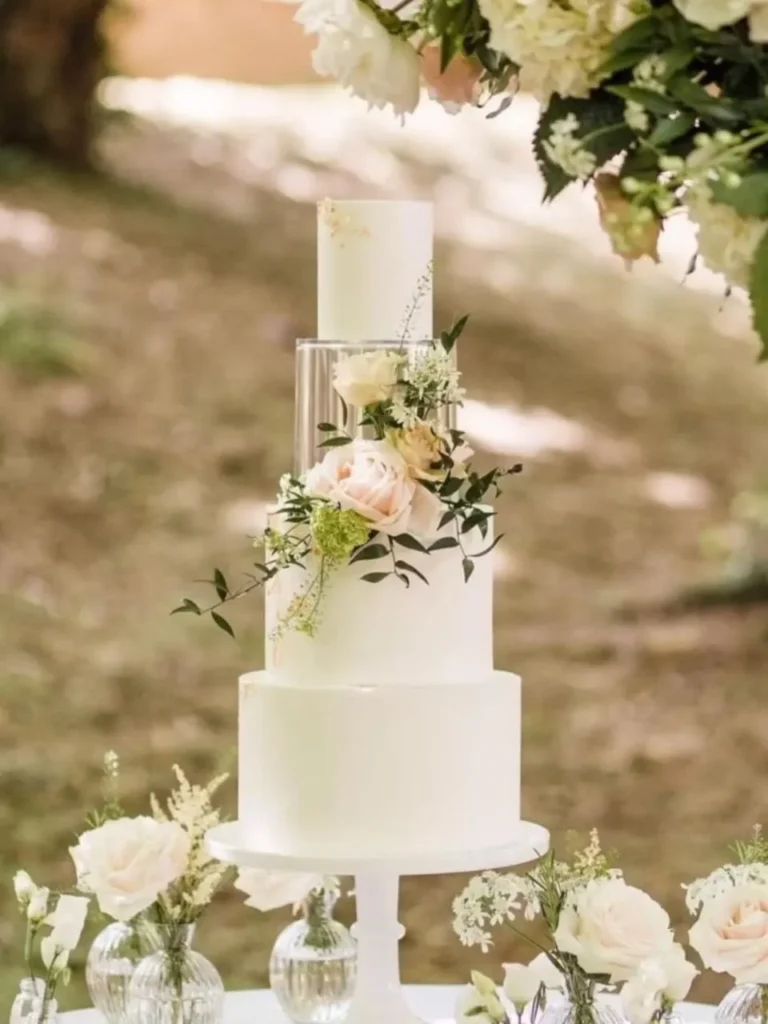
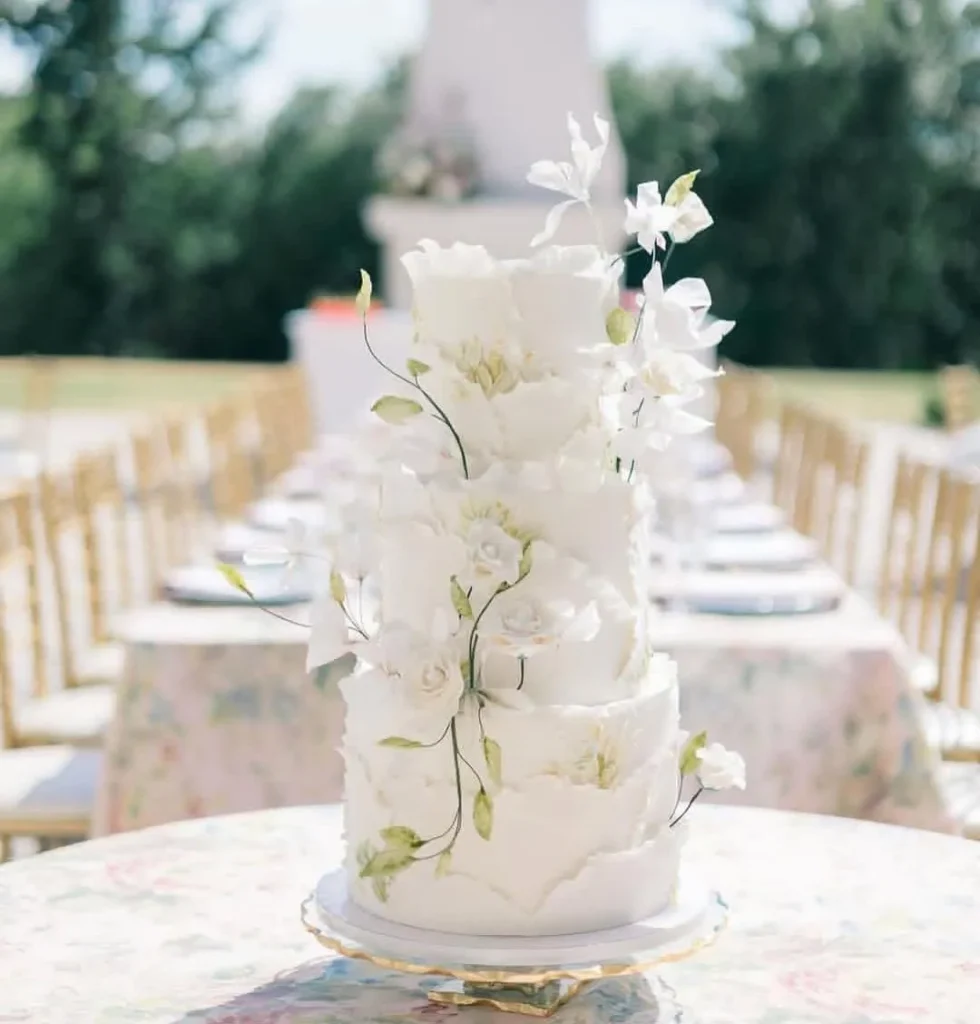
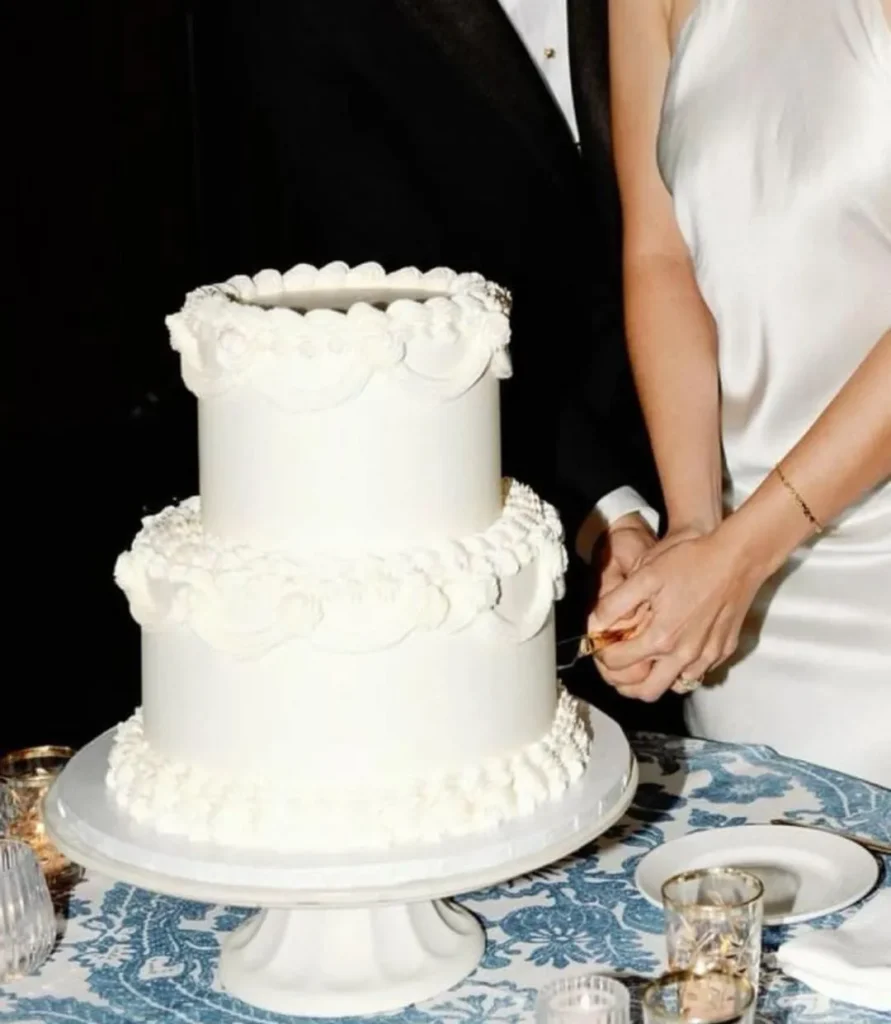
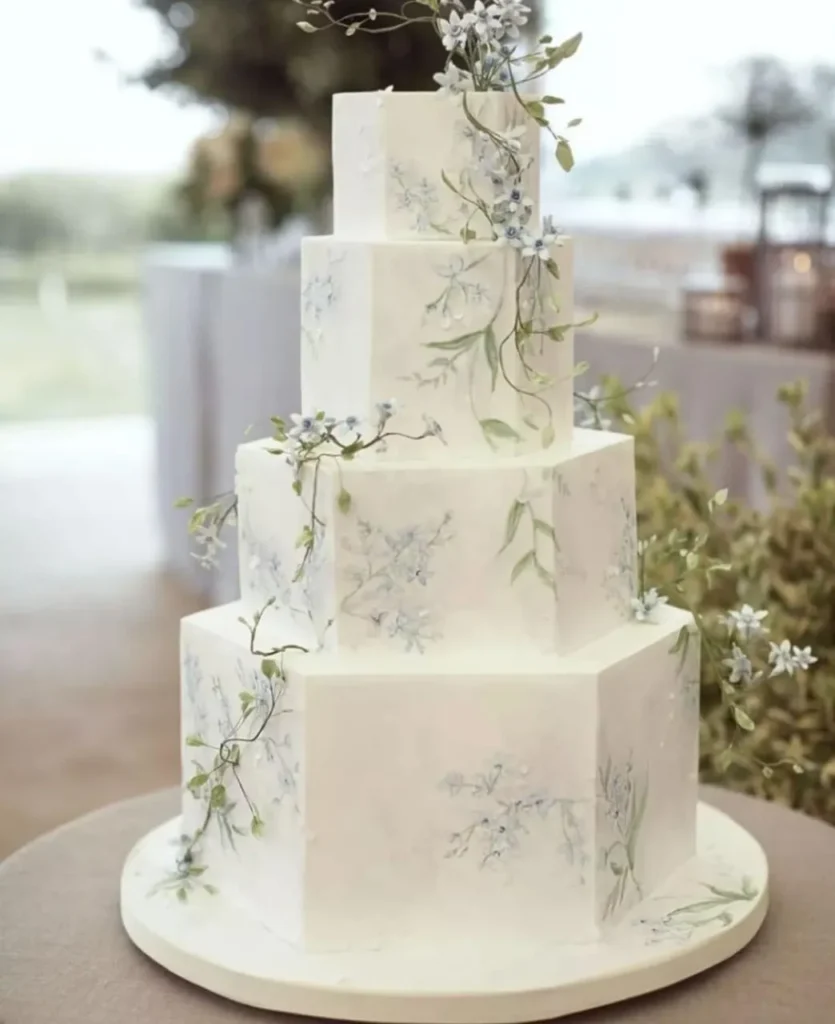
- Traditional Tiered Cake: Typically white with elegant floral details or lace-inspired patterns.
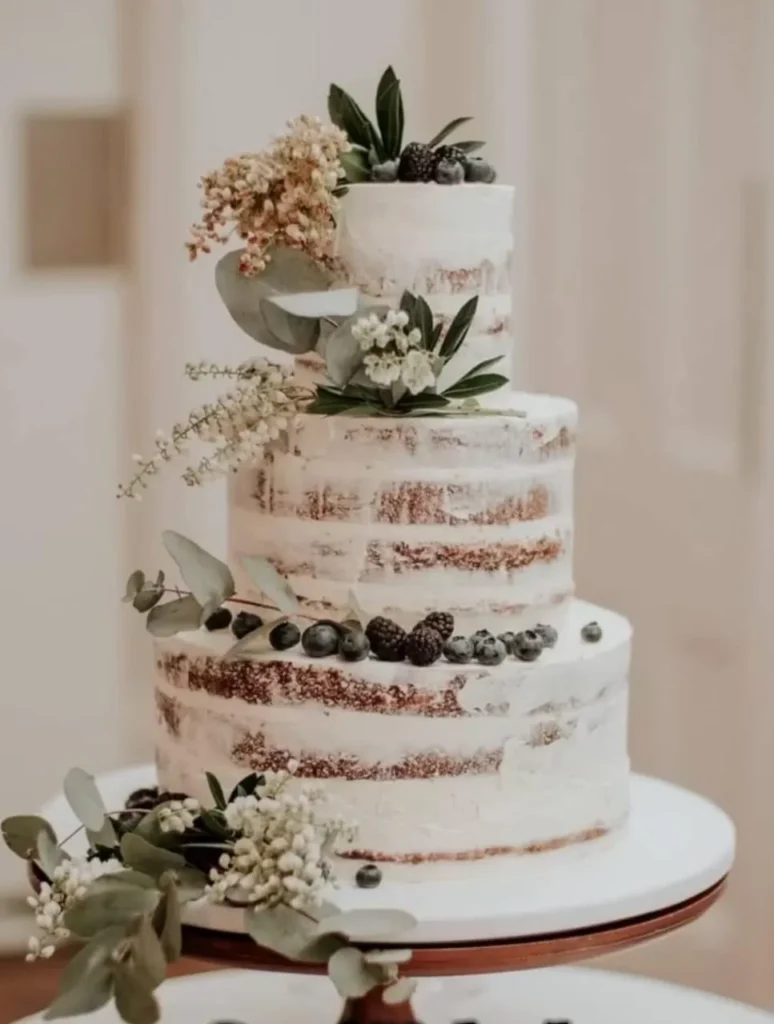
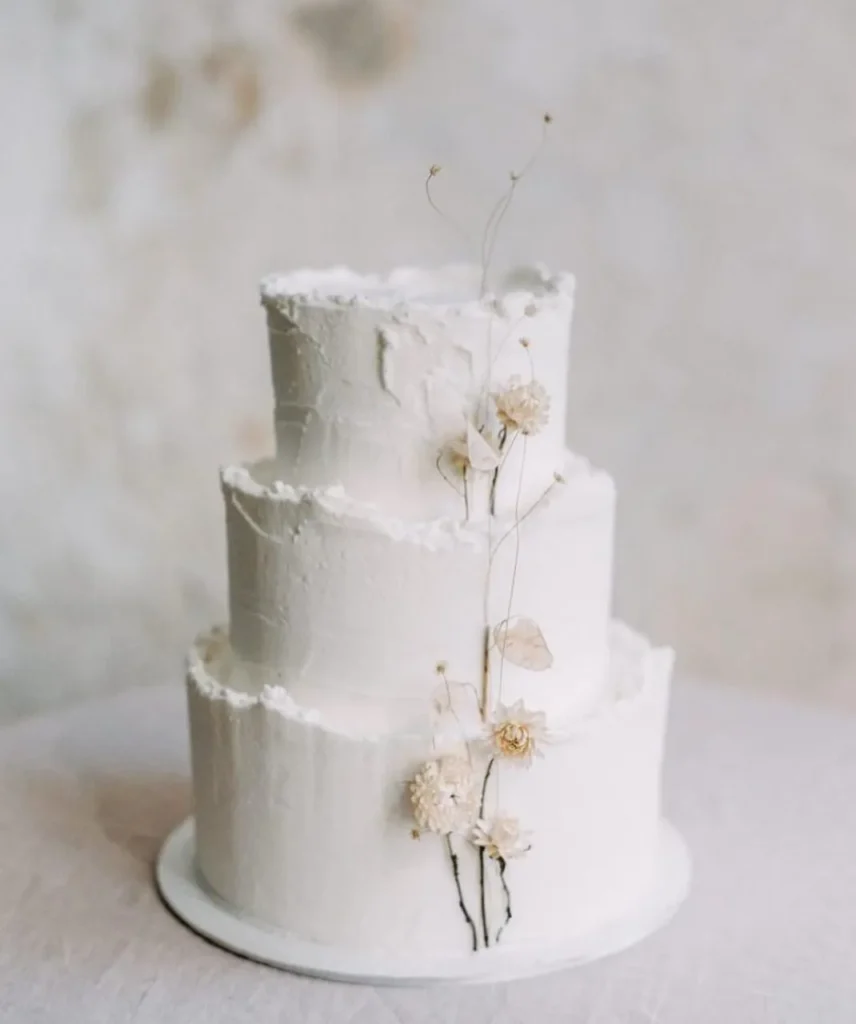
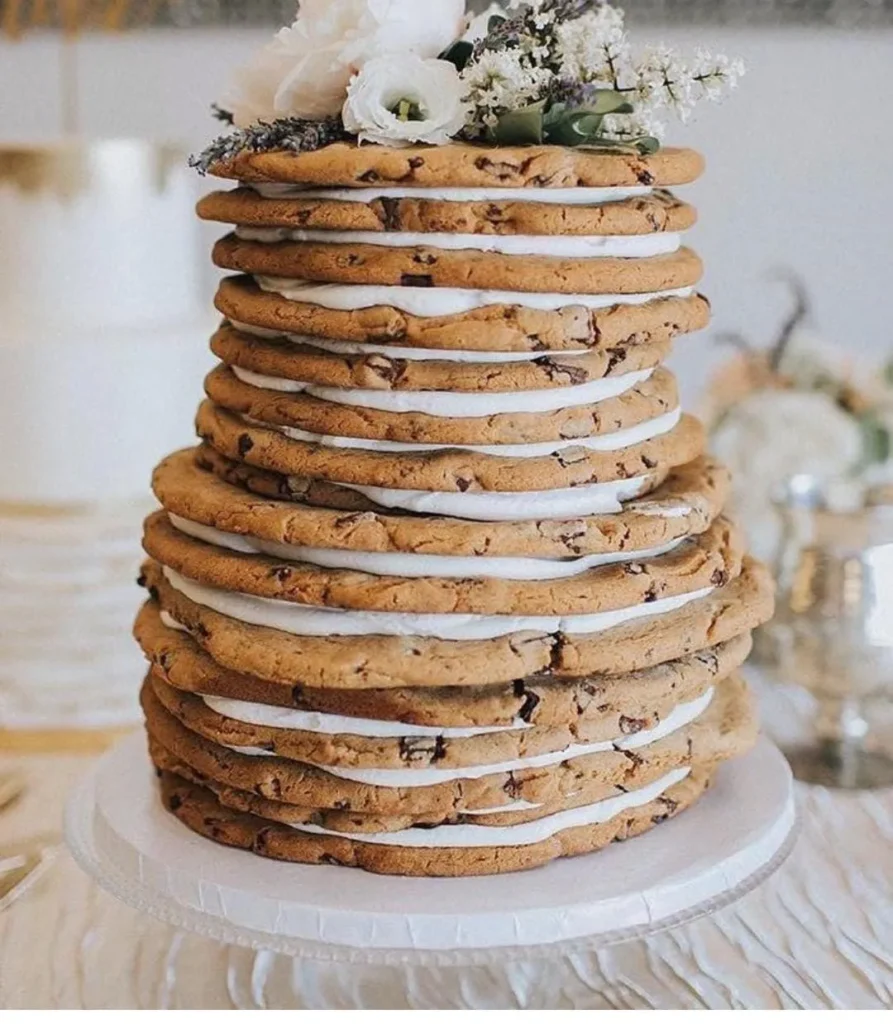
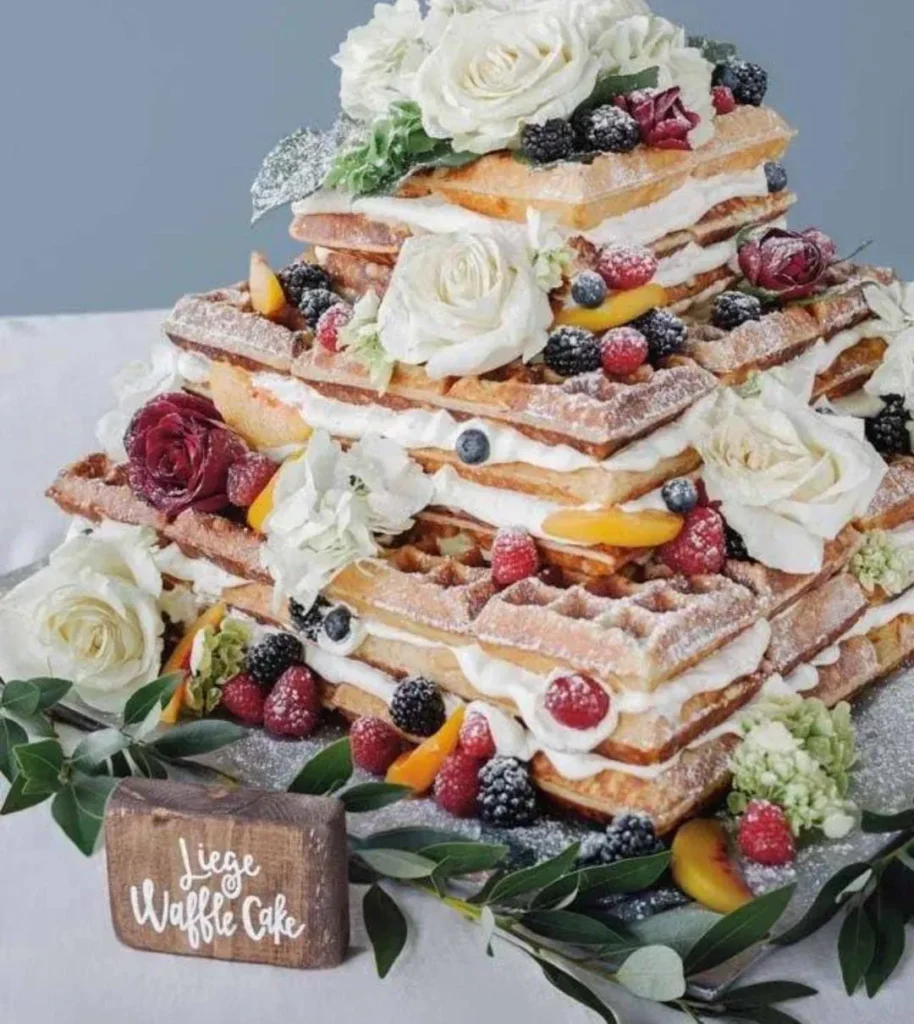
- Rustic Naked Cake: Minimal frosting with exposed layers, ideal for outdoor or farmhouse weddings.
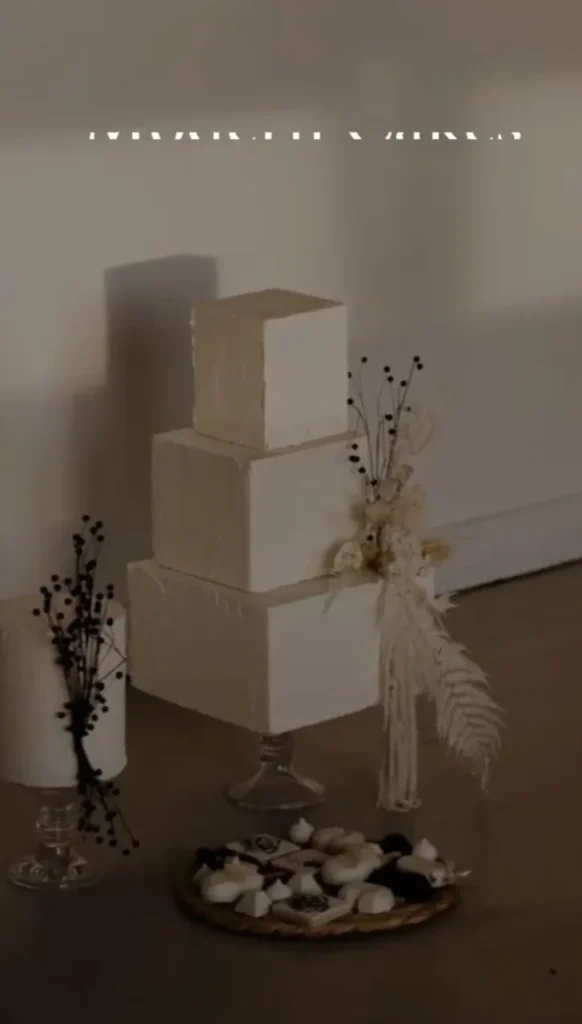
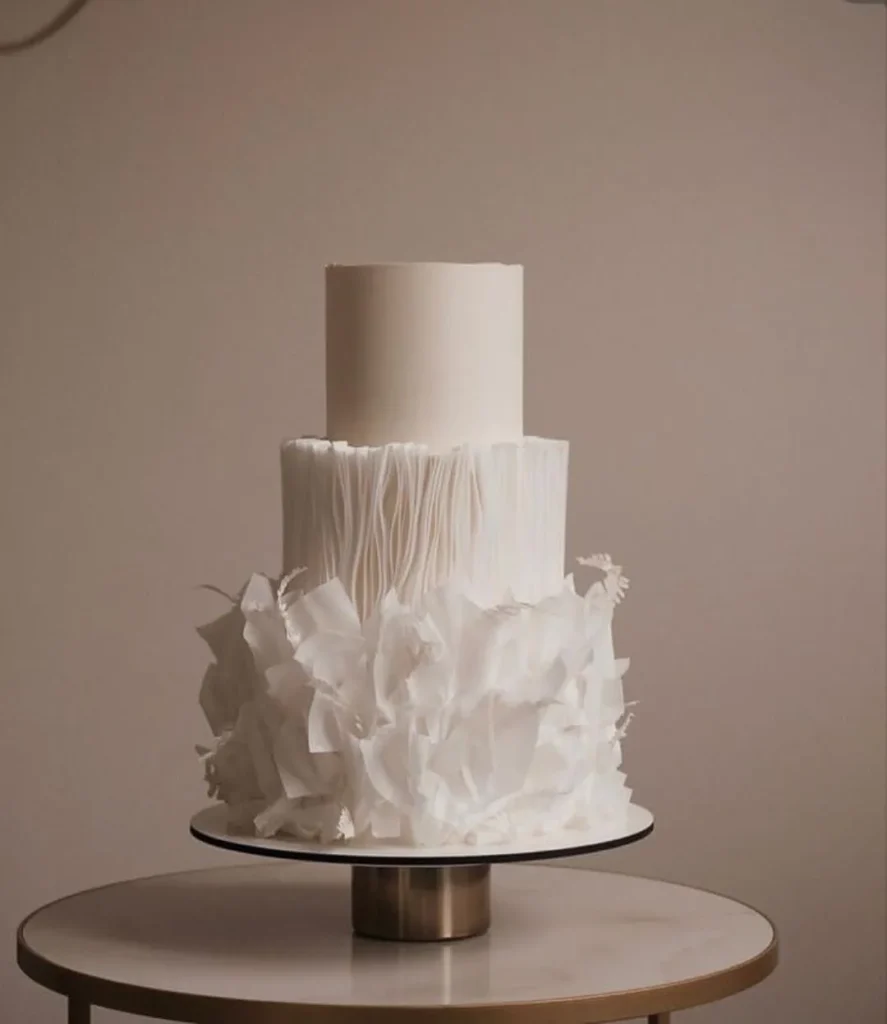
- Modern Geometric Cake: Featuring sharp lines, metallics, and clean aesthetics.
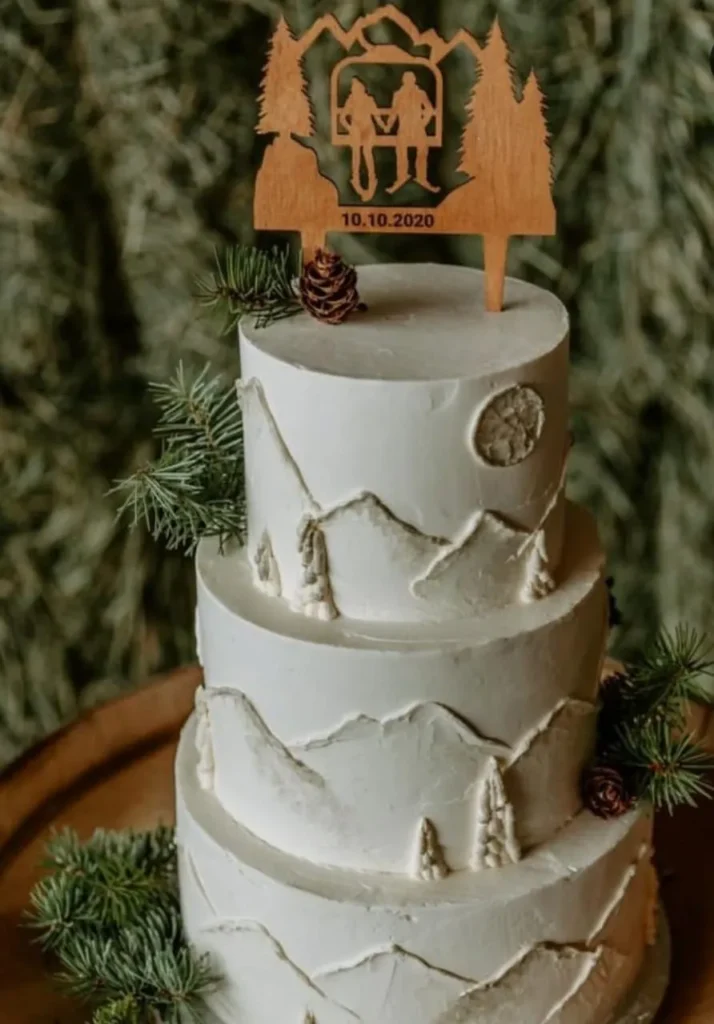
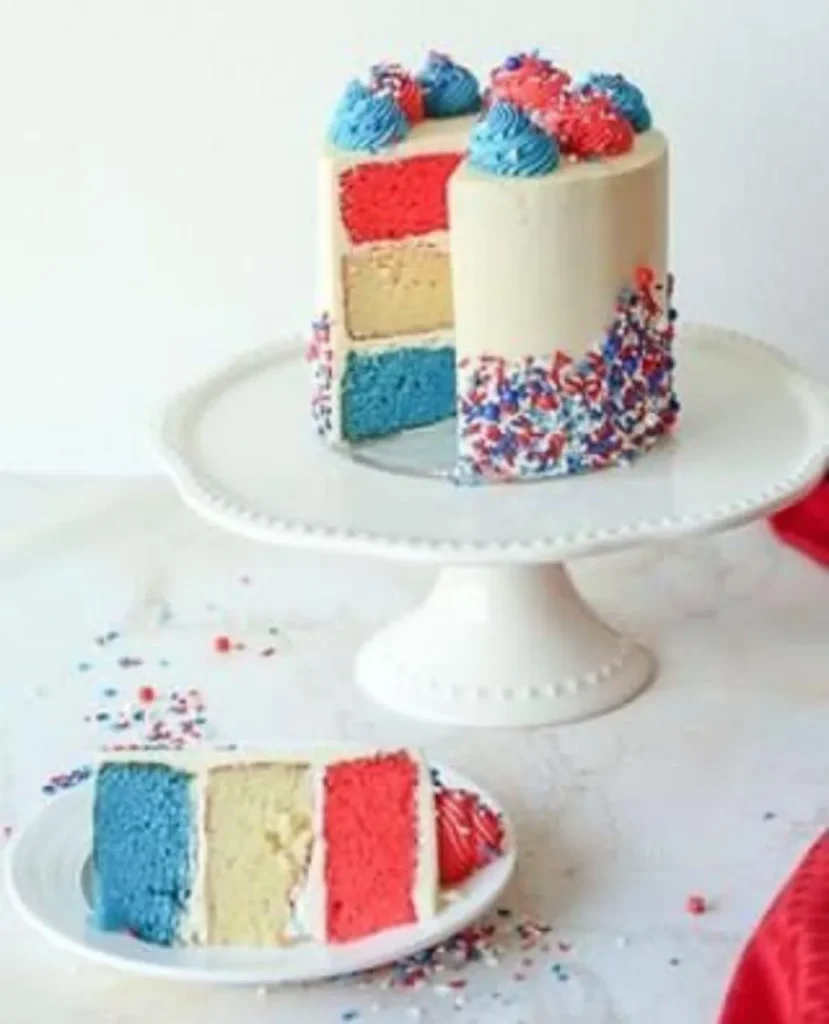
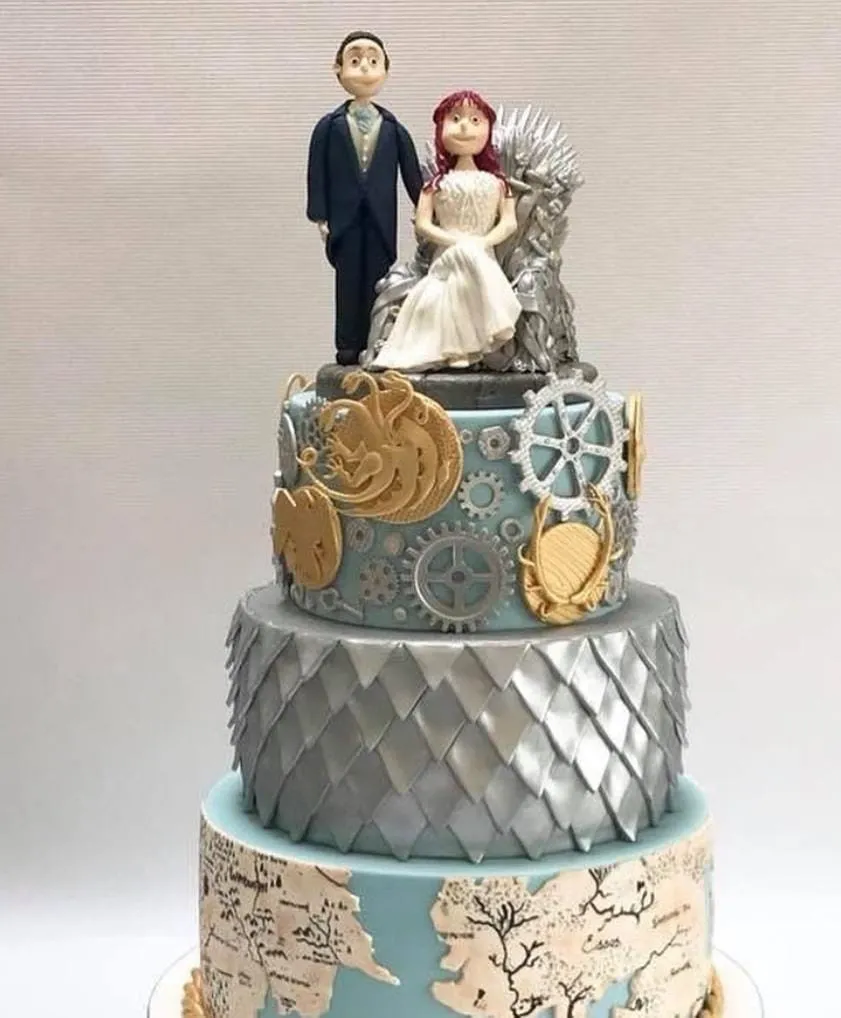
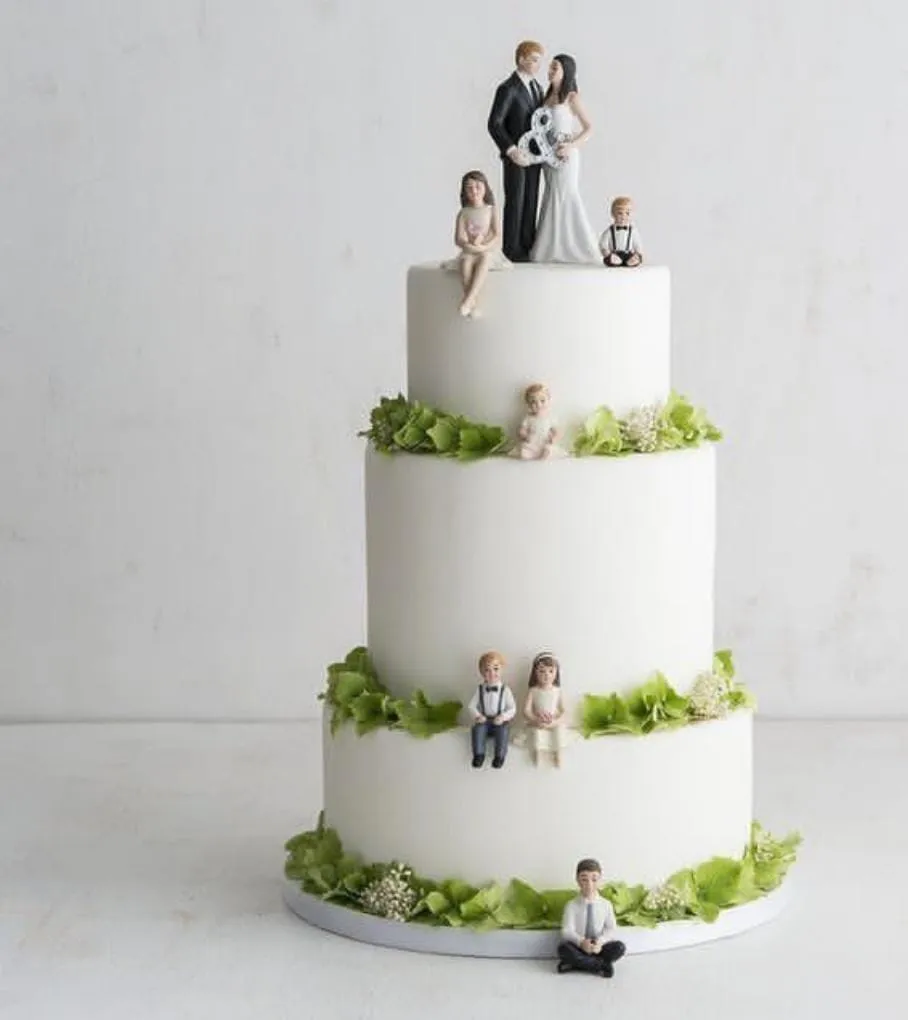
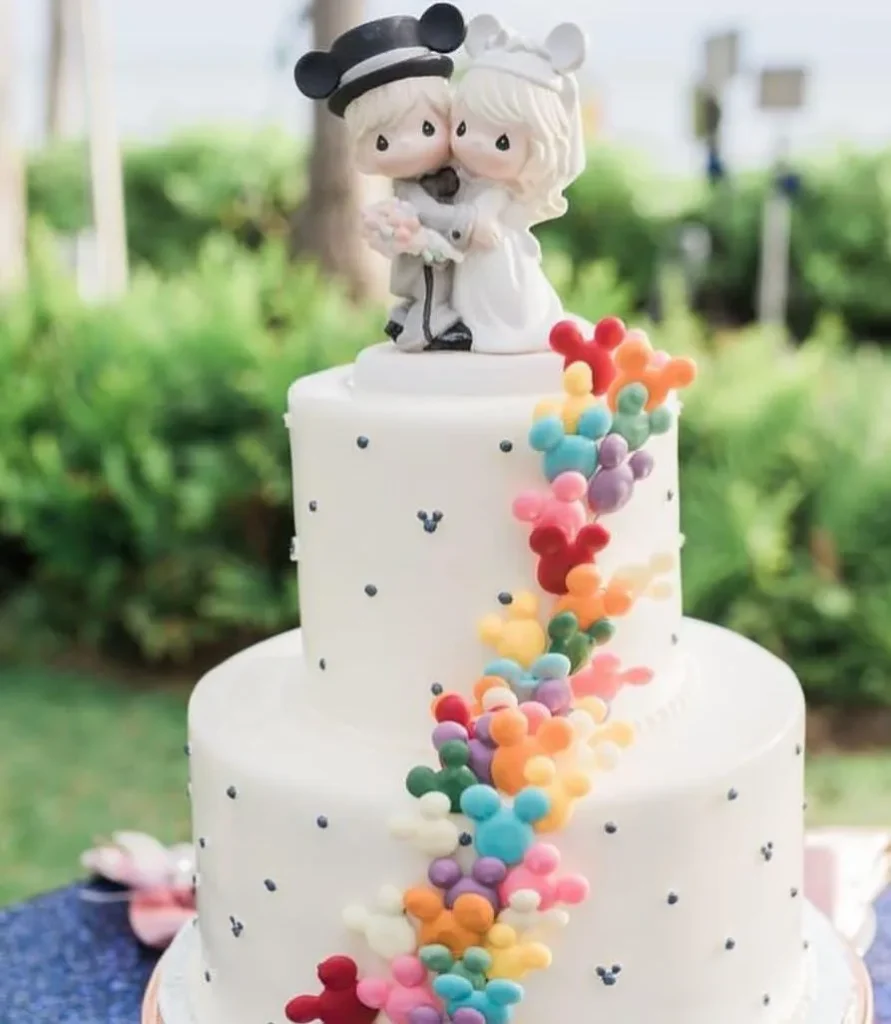
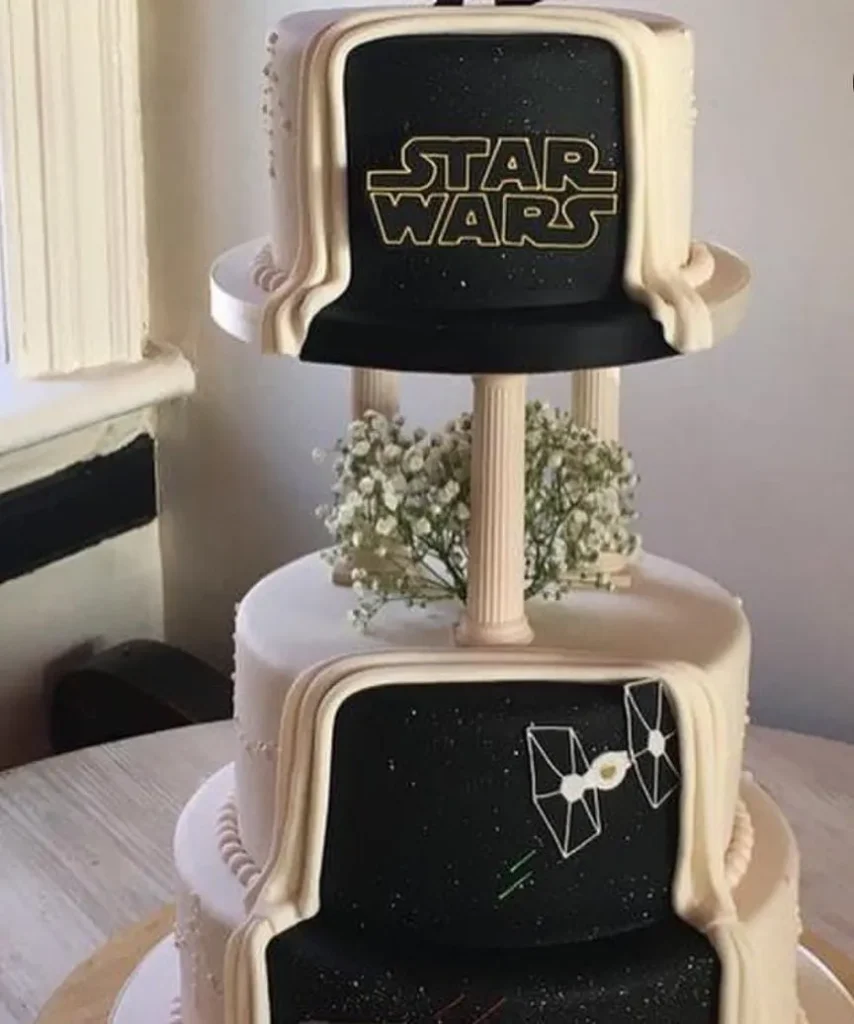
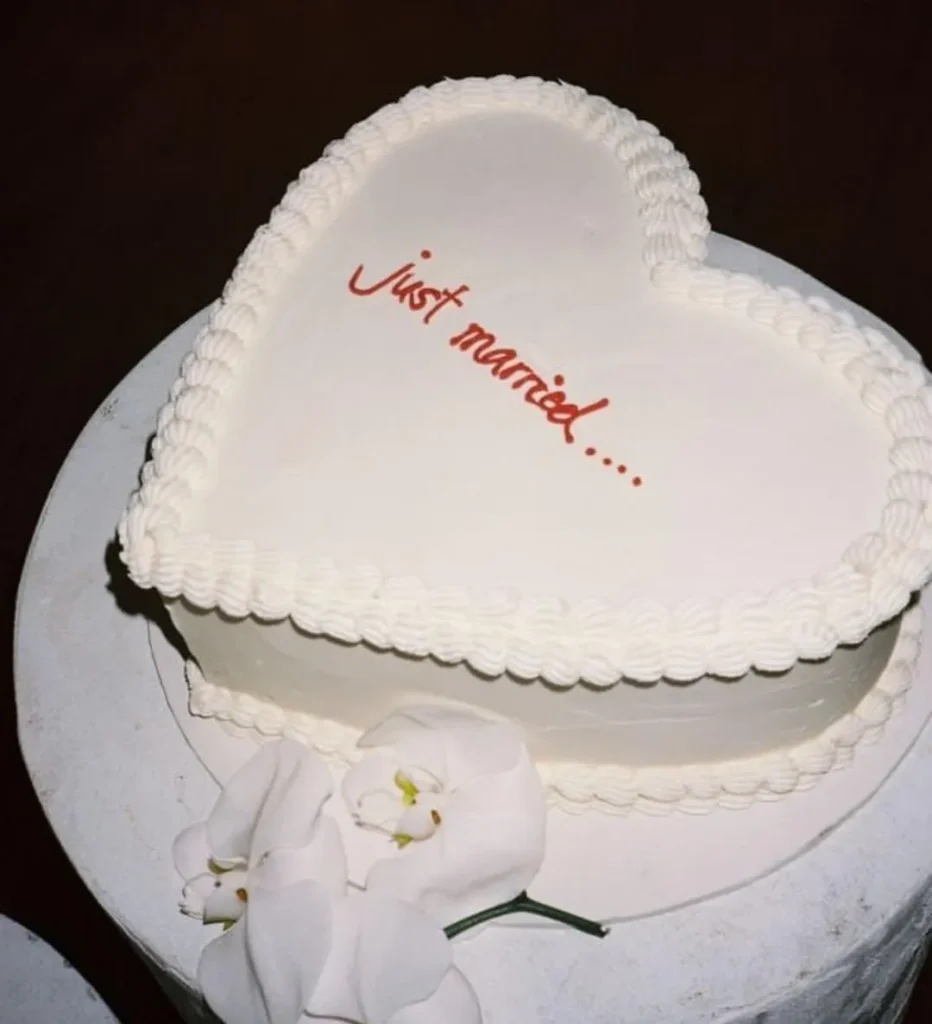
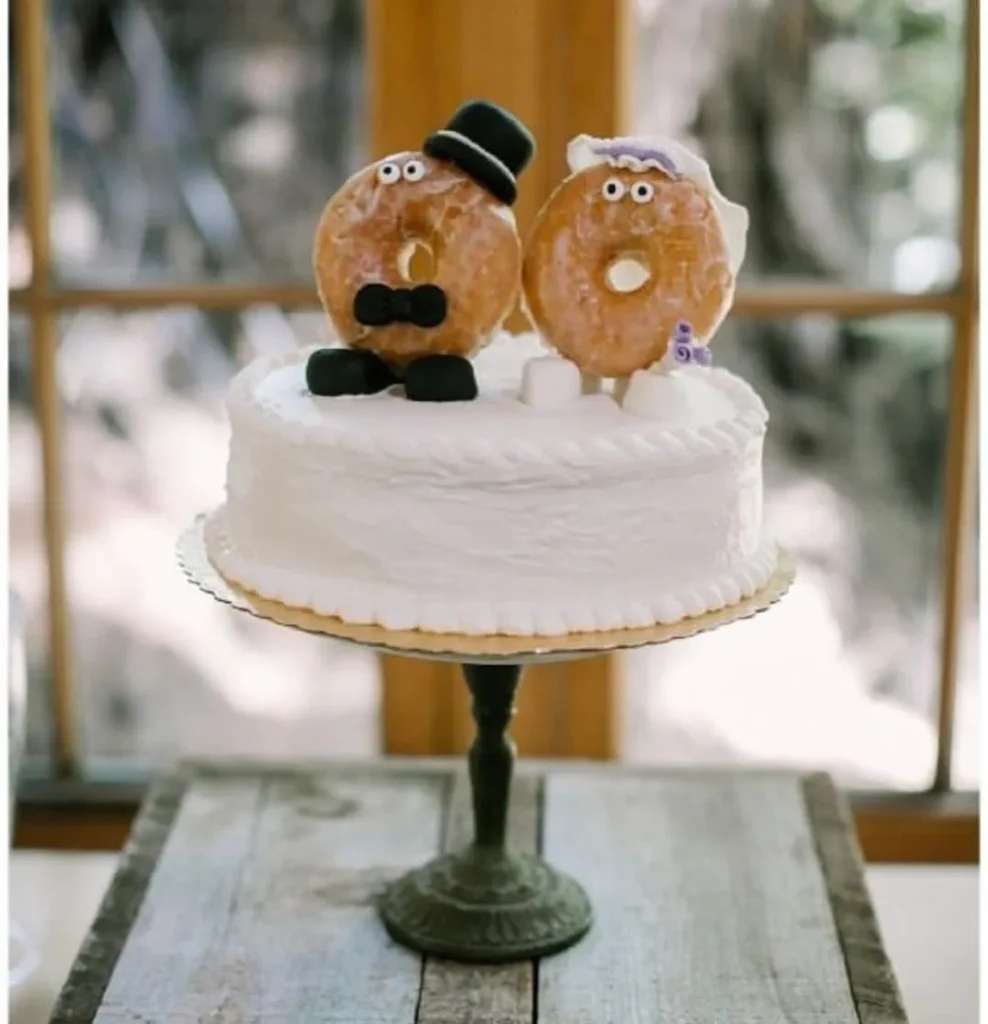
- Whimsical Themed Cake: Incorporates playful elements like colors, figurines, or pop culture references.
Choose a style that complements your wedding theme and venue.
Popular Wedding Cake Flavors
While the design draws attention, the flavor is what guests remember. Today’s couples are moving beyond plain vanilla to more adventurous combinations:
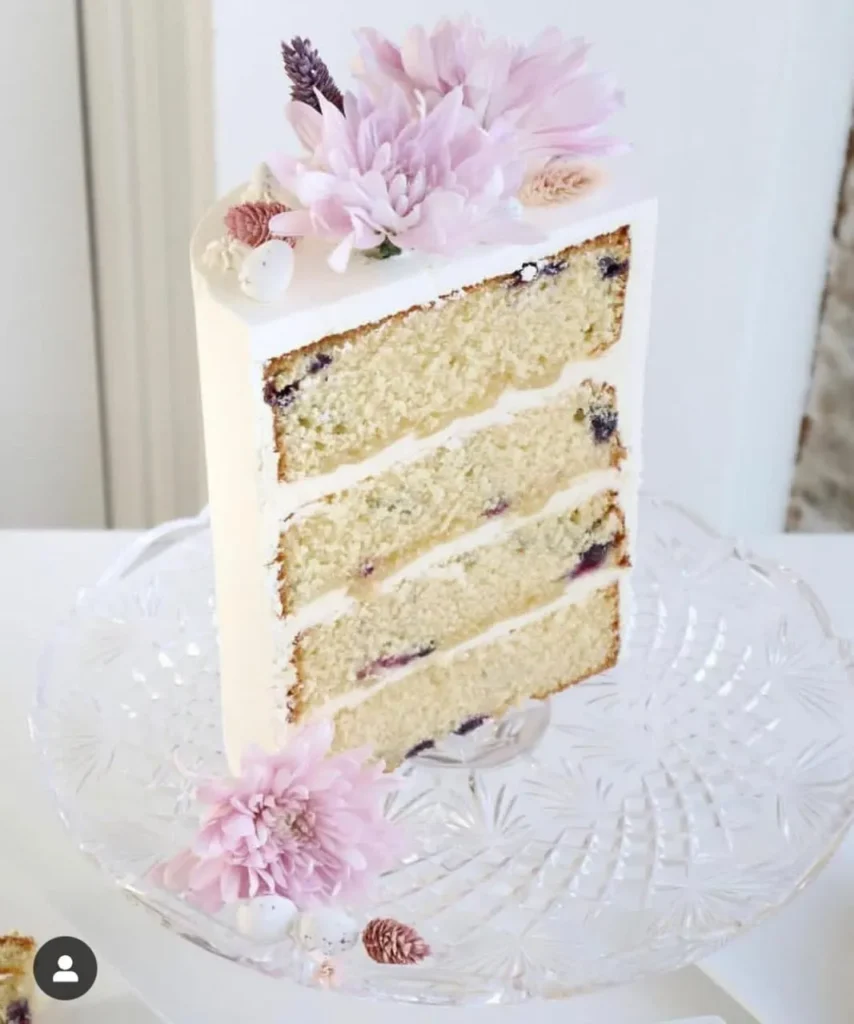
- Classic Vanilla with Berries: Light and crowd-pleasing.
- Chocolate and Salted Caramel: Rich and indulgent.
- Lemon and Raspberry: A refreshing, tangy option for summer weddings.
- Red Velvet with Cream Cheese: A romantic choice with a luxurious texture.
- Pistachio and Rosewater: Unique and sophisticated.
Don’t be afraid to mix flavors across tiers to offer variety to your guests.
Wedding Cake Sizes and Servings
The size of your wedding cake depends on the number of guests attending. Here’s a rough idea:
- 2-tier cake: Serves 20–40 guests
- 3-tier cake: Serves 50–100 guests
- 4-tier cake: Serves 100–150 guests
- 5-tier cake: Serves 150–200+ guests
Always discuss your guest count with your baker to ensure there’s enough for everyone (plus a slice to save for your anniversary).
Wedding Cake Trends to Watch
Cake trends change every year. Here are a few current trends that are catching attention:
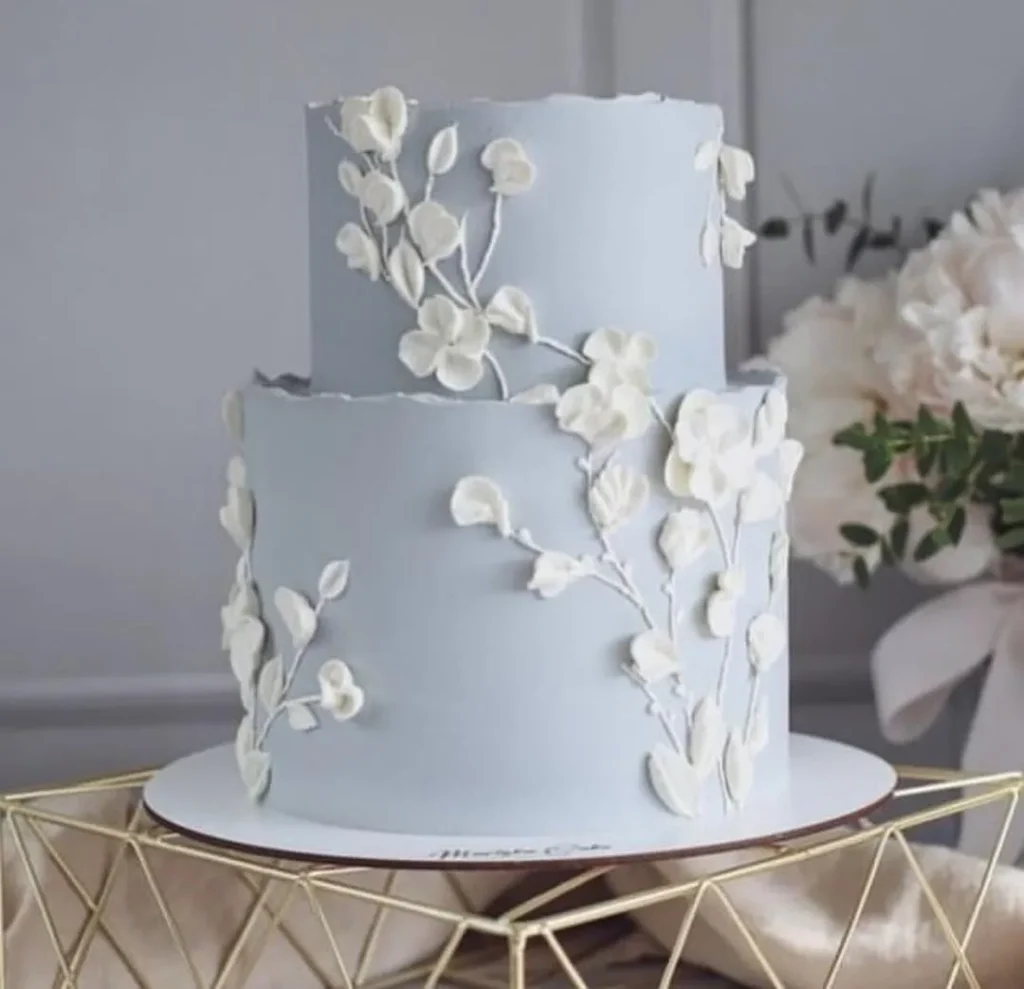
- Hand-Painted Cakes: Watercolor or detailed illustrations that look like edible art.
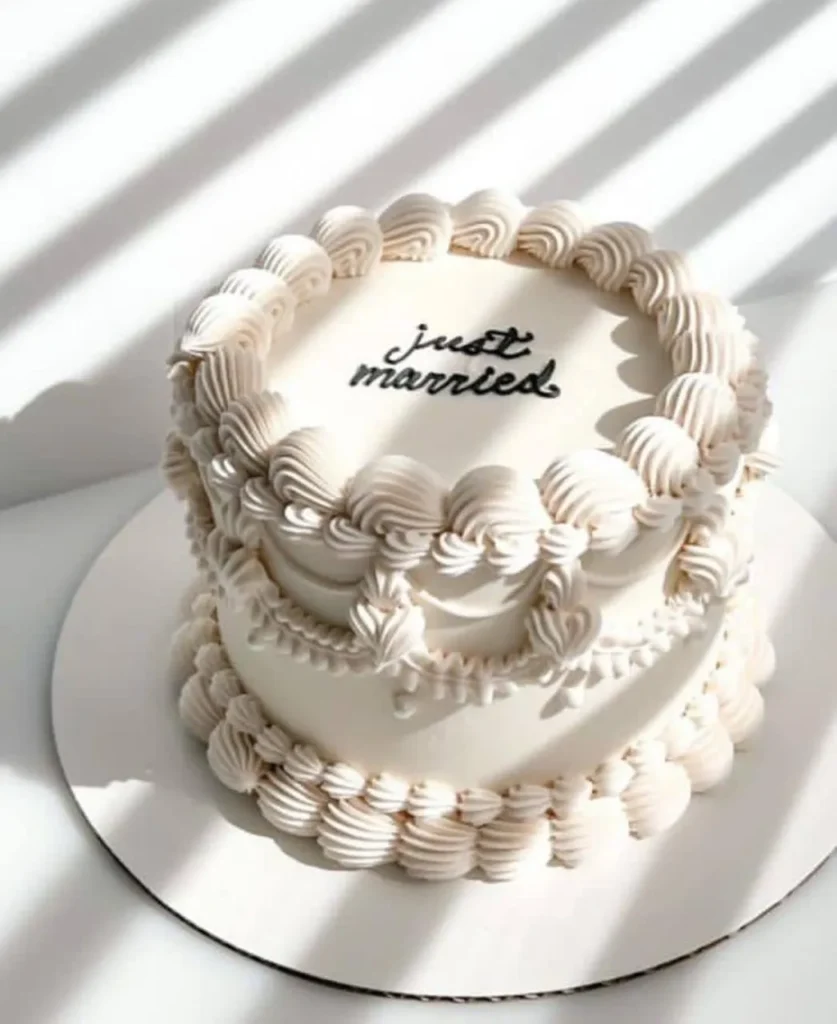
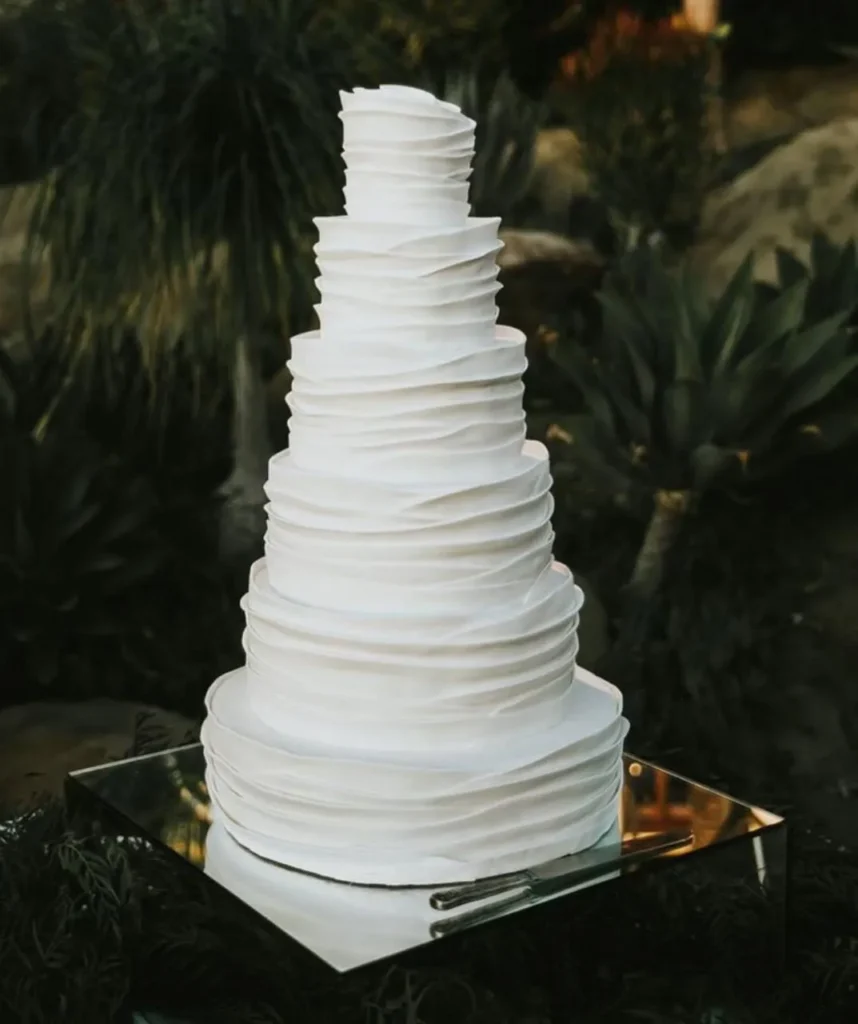
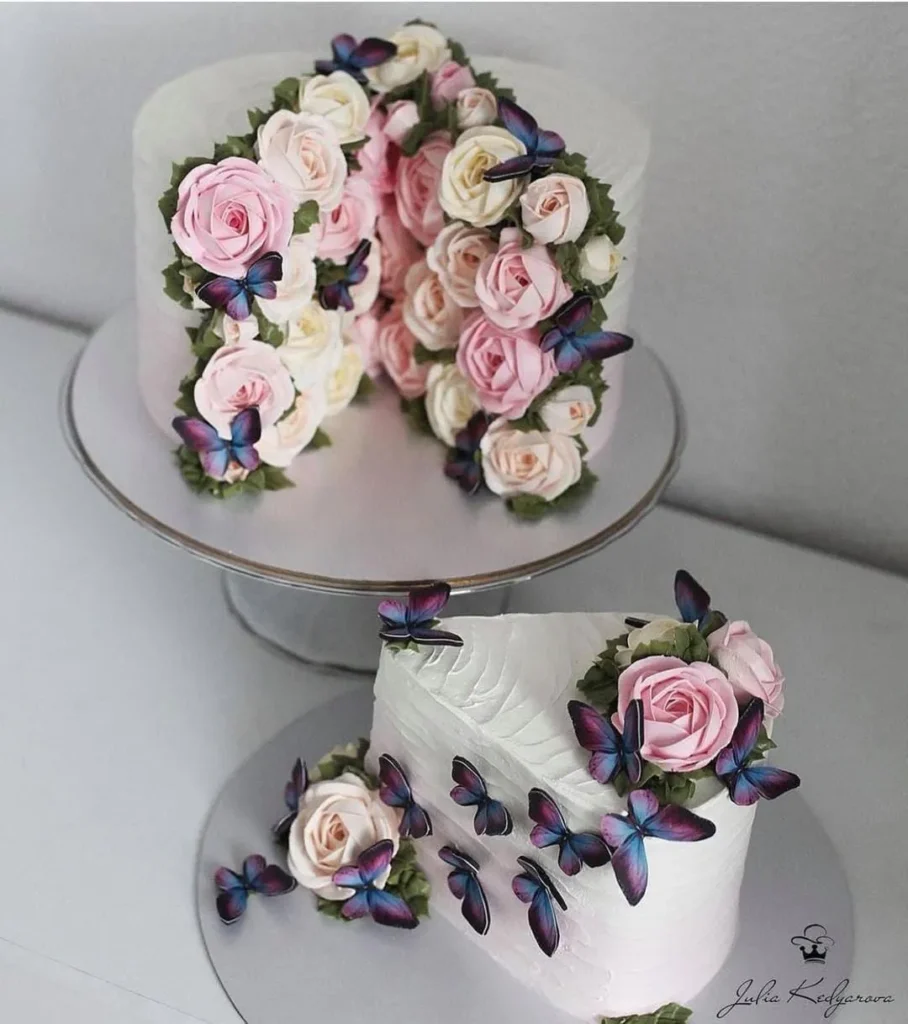
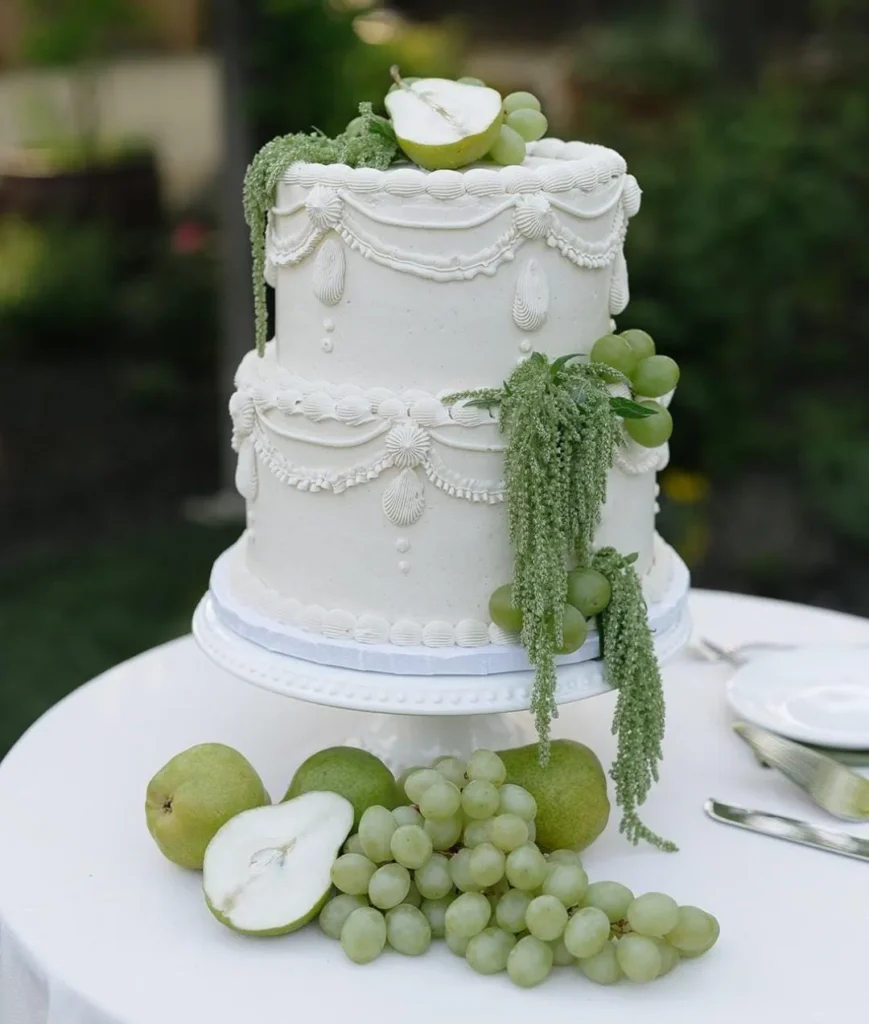
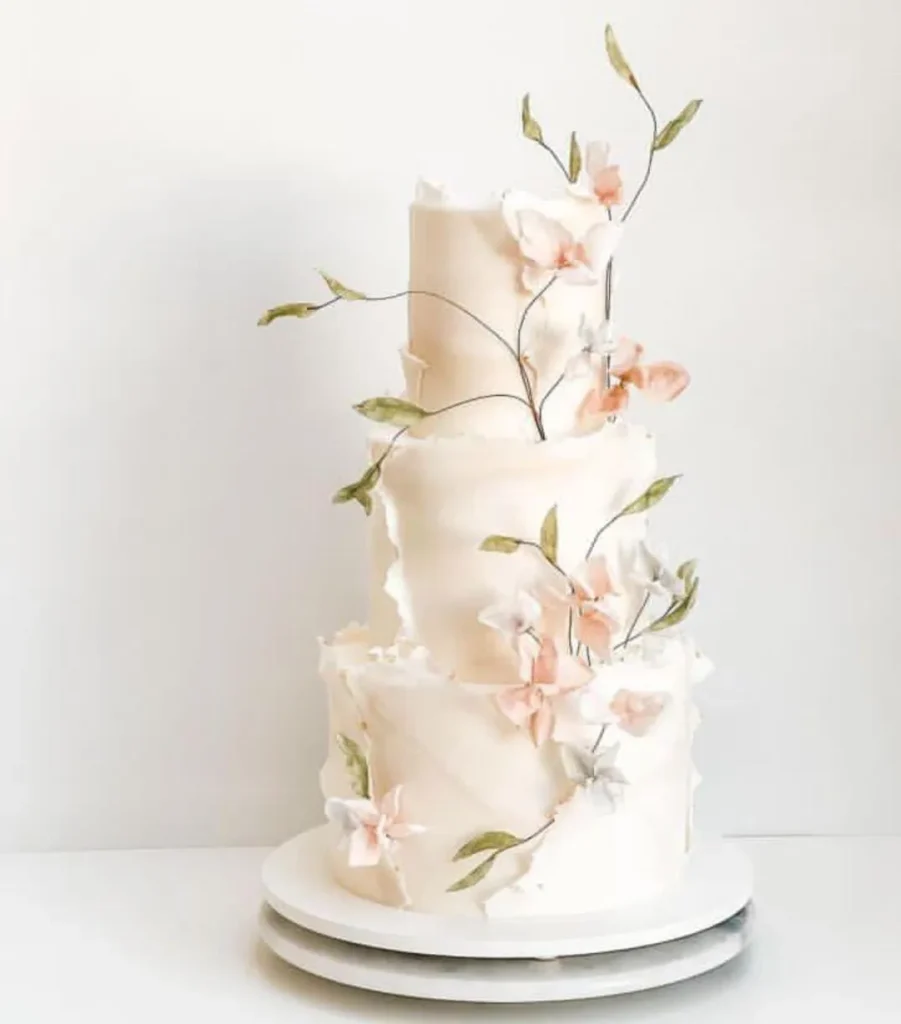
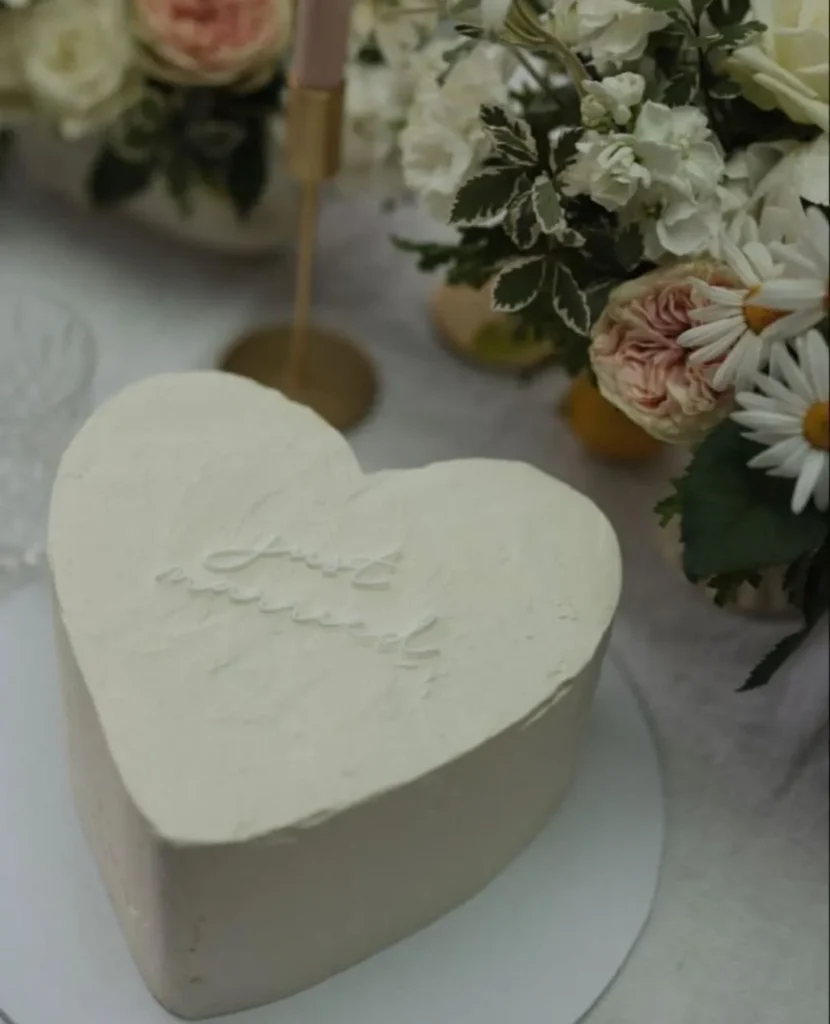
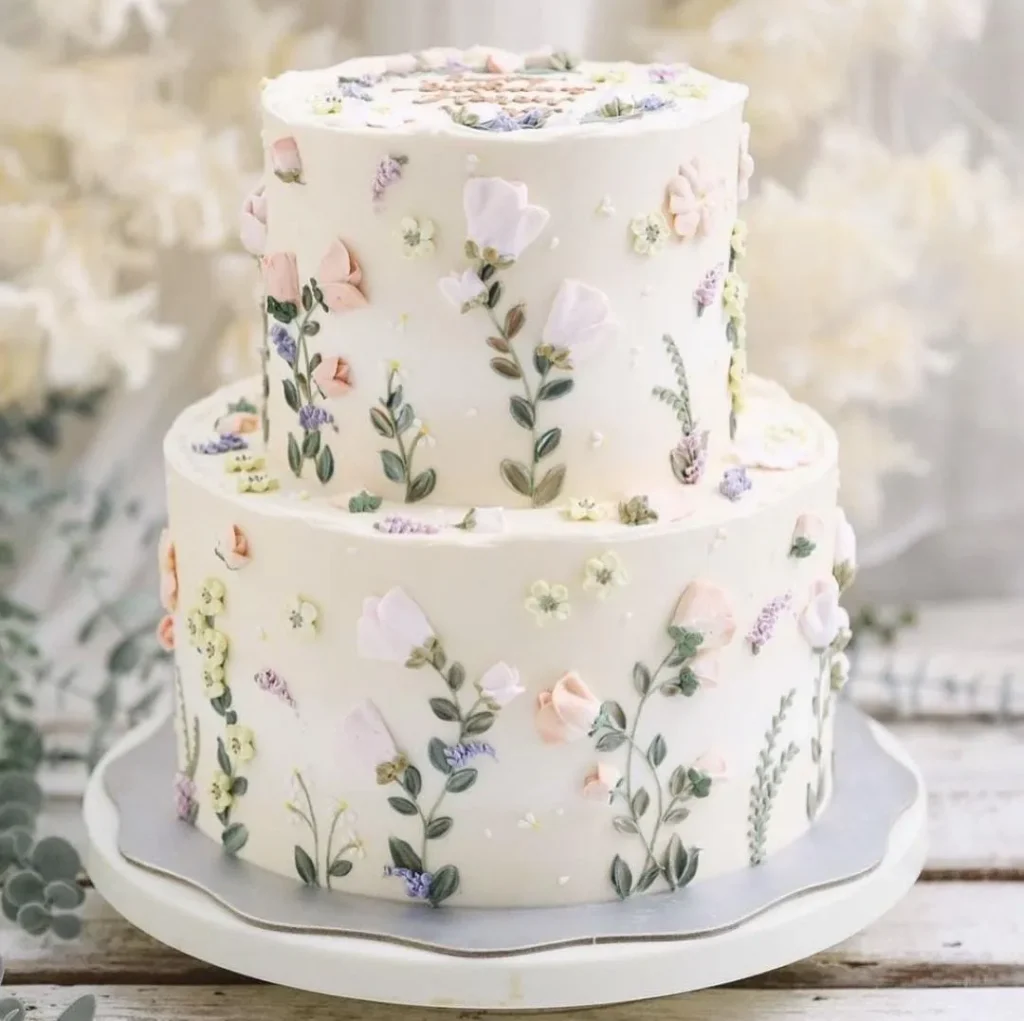
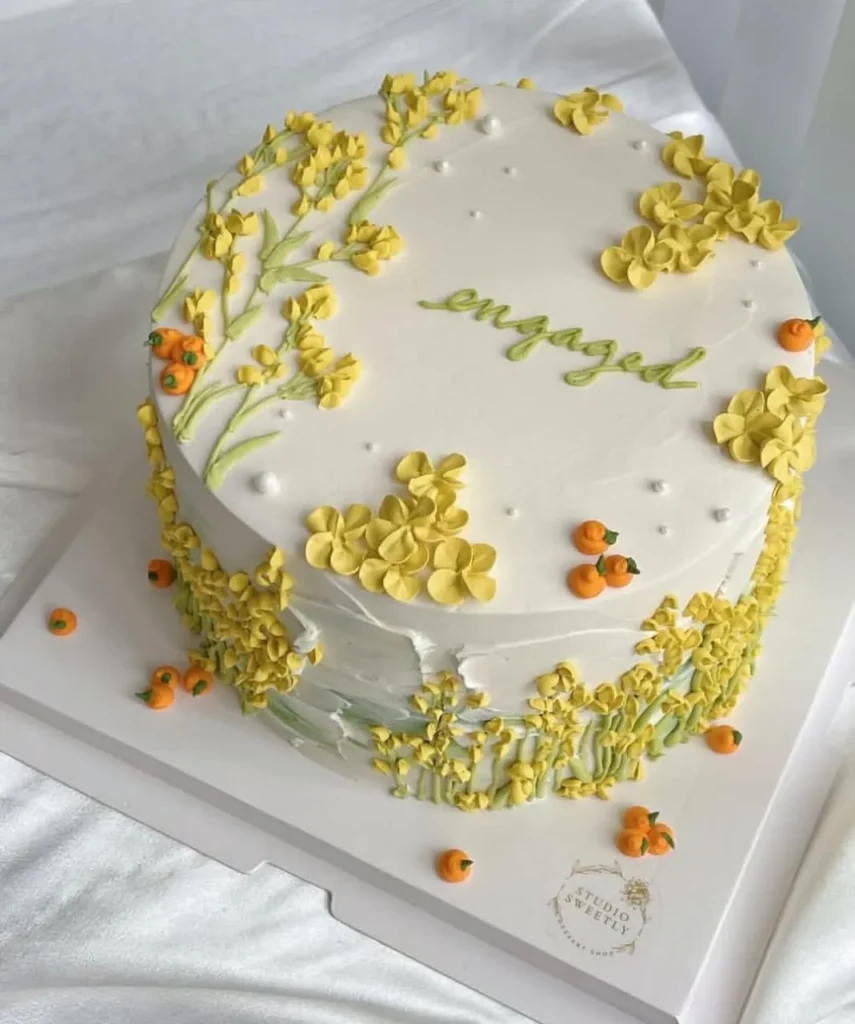
- Textured Buttercream: Adds a soft, romantic finish.
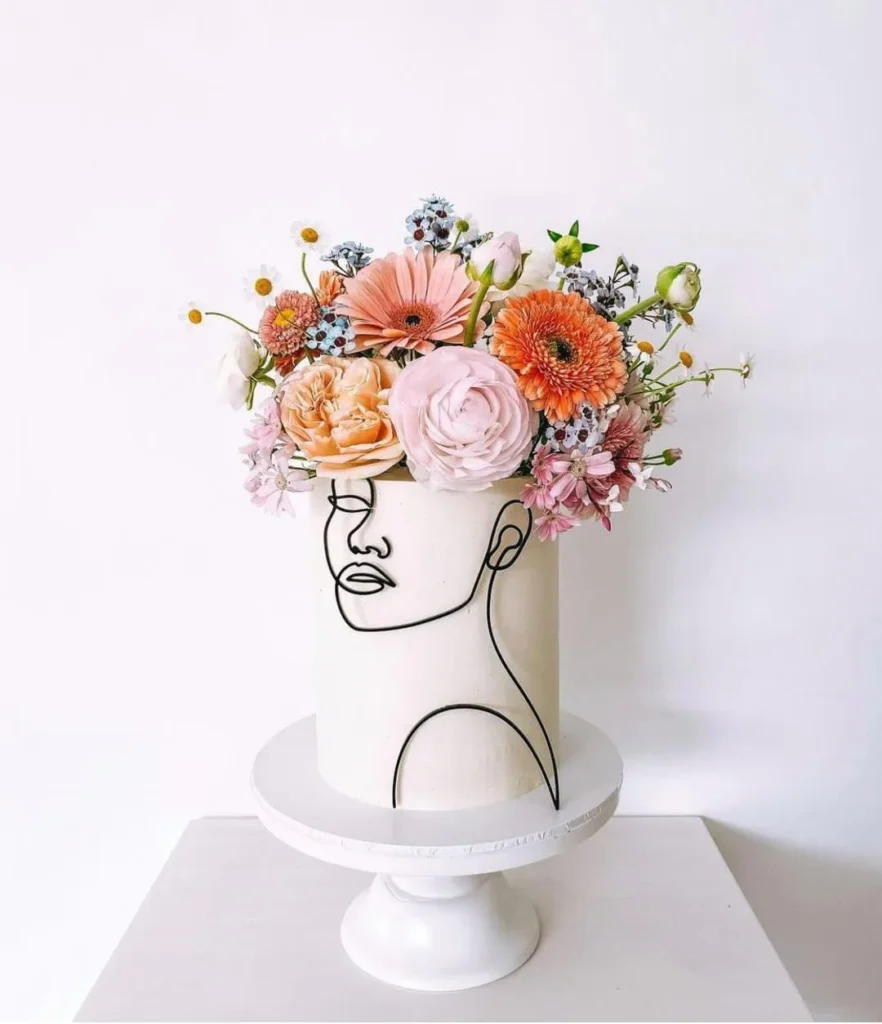
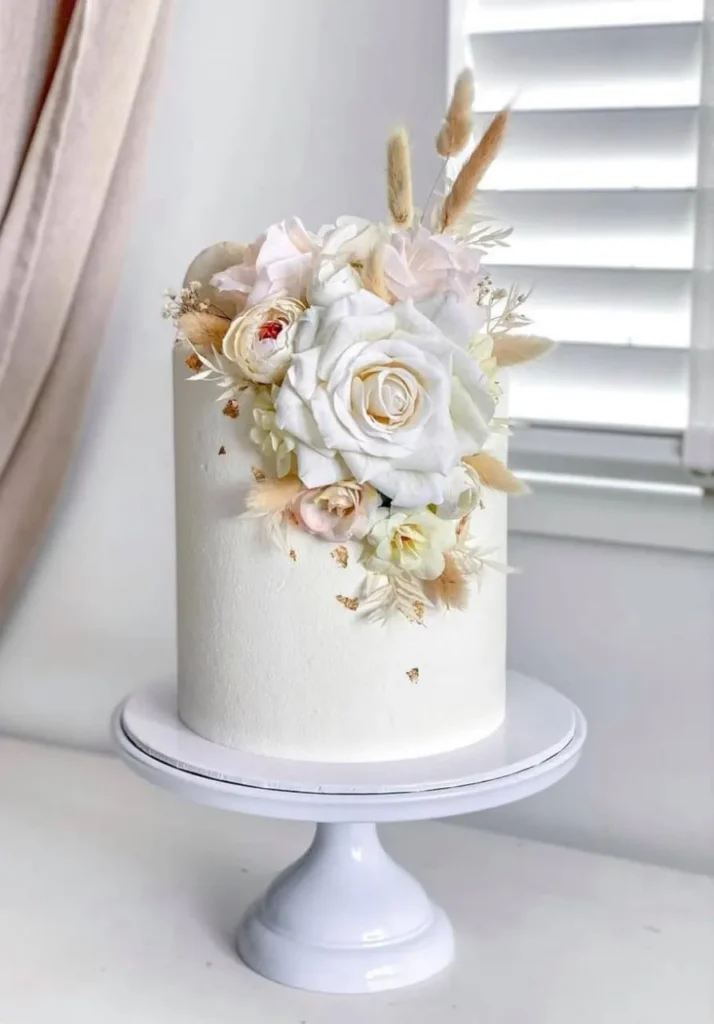
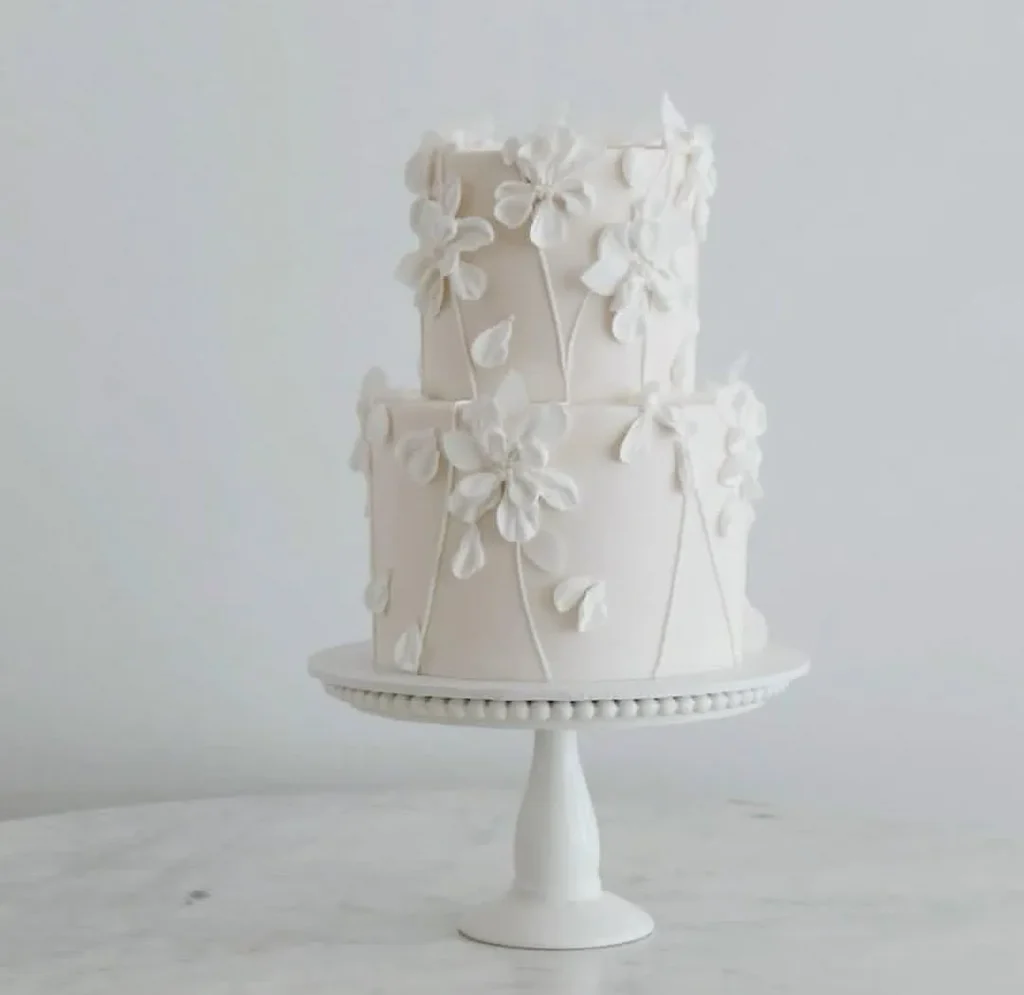
- Edible Flowers: Real or sugar-crafted blooms elevate the visual appeal.
- Metallic Accents: Gold or silver leaf gives cakes a luxurious touch.
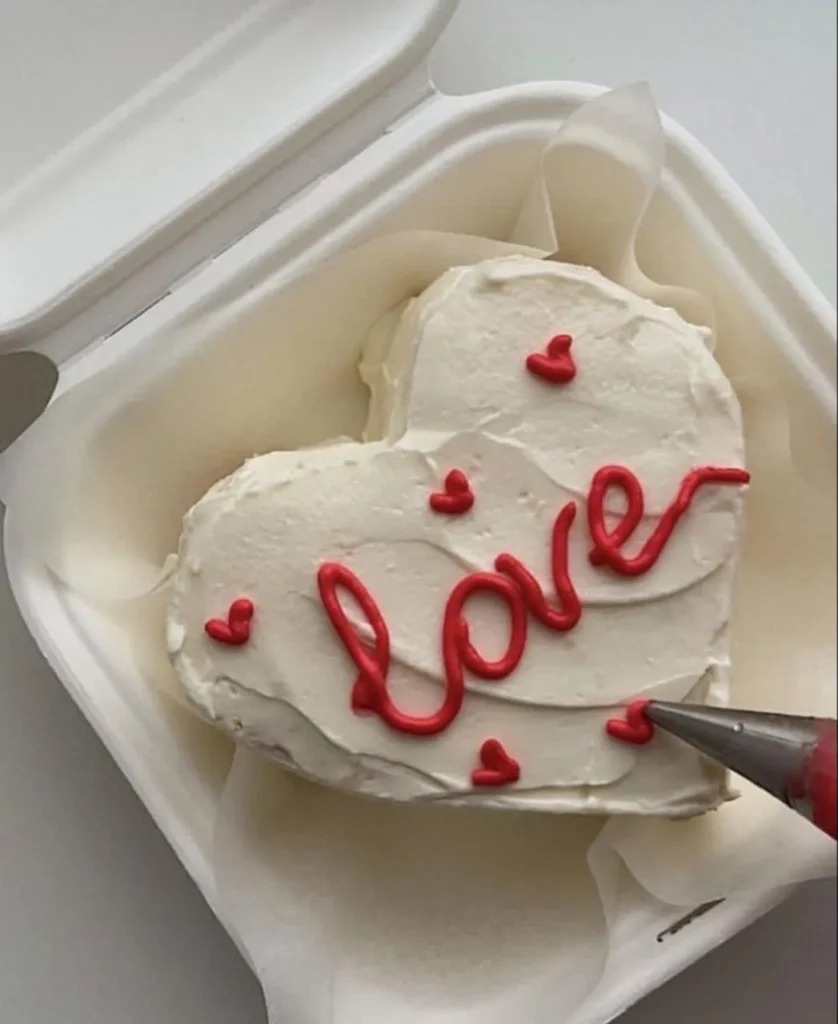
- Mini Cakes or Cake Towers: Individual servings that double as decor.
Incorporating a trendy touch can make your wedding cake memorable and Instagram-worthy.
Tips for Tasting and Choosing a Baker
Before you commit, always taste. Most bakers offer tasting sessions where you can sample different combinations. Here’s how to make the most of it:
- Try multiple flavor pairings.
- Bring inspiration photos or mood boards.
- Discuss your budget and guest count upfront.
- Ask to see a portfolio of past wedding cakes.
- Clarify delivery, setup, and any additional charges.
Choose a baker whose style aligns with your vision and who communicates clearly.
Budgeting for Your Wedding Cake
Wedding cakes vary in cost depending on design complexity, ingredients, and size. On average, a wedding cake costs between $3 to $8 per slice, but luxury designs can go beyond that. To stay within budget:
- Opt for buttercream instead of fondant (less labor-intensive).
- Keep design elements simple.
- Use faux layers or a sheet cake for serving.
- Choose seasonal ingredients.
Let your baker know your budget early so they can tailor options to fit your needs.
Wedding Cake Display and Table Styling
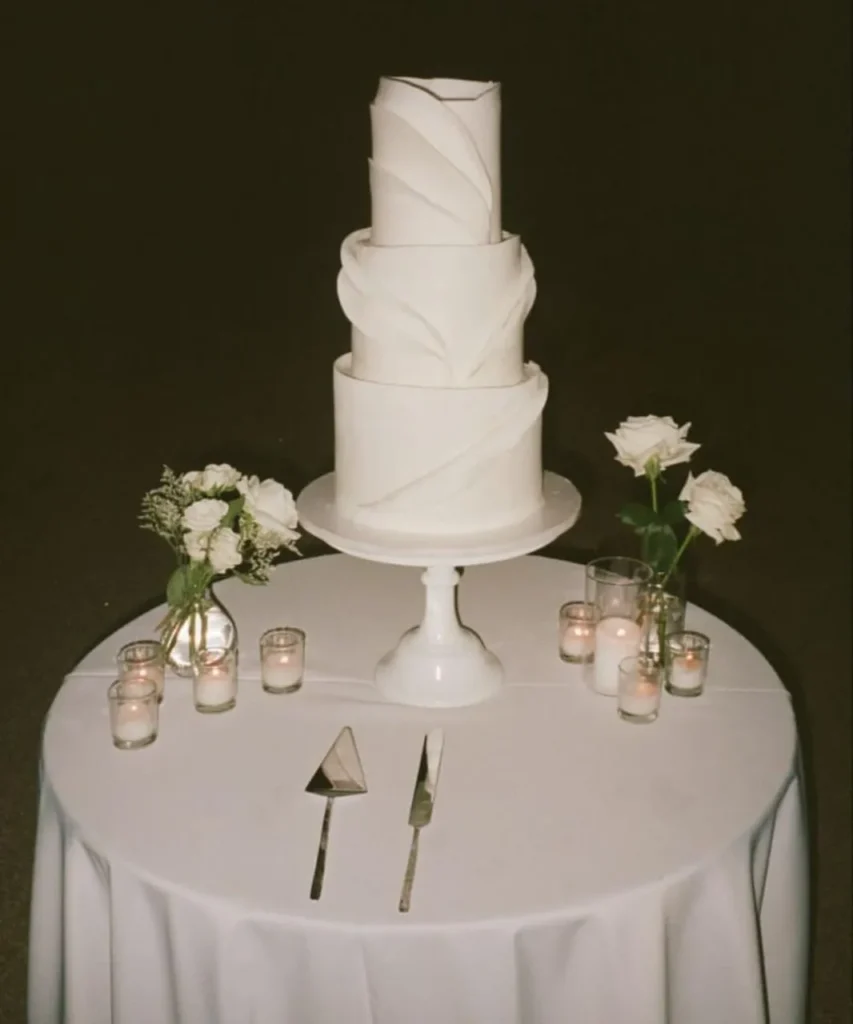
The cake table is a focal point—don’t overlook its presentation. Here are a few tips to enhance it:
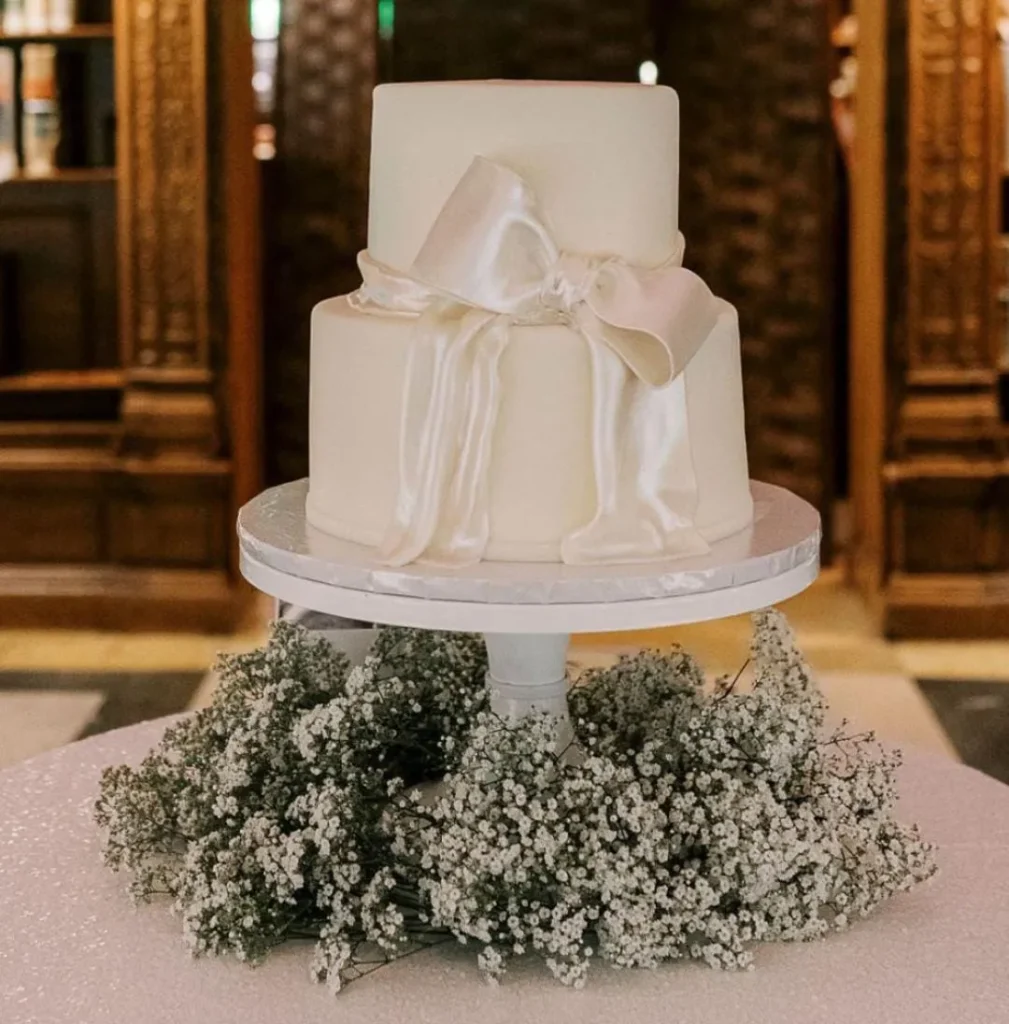
- Use a decorative cake stand that fits the cake size.
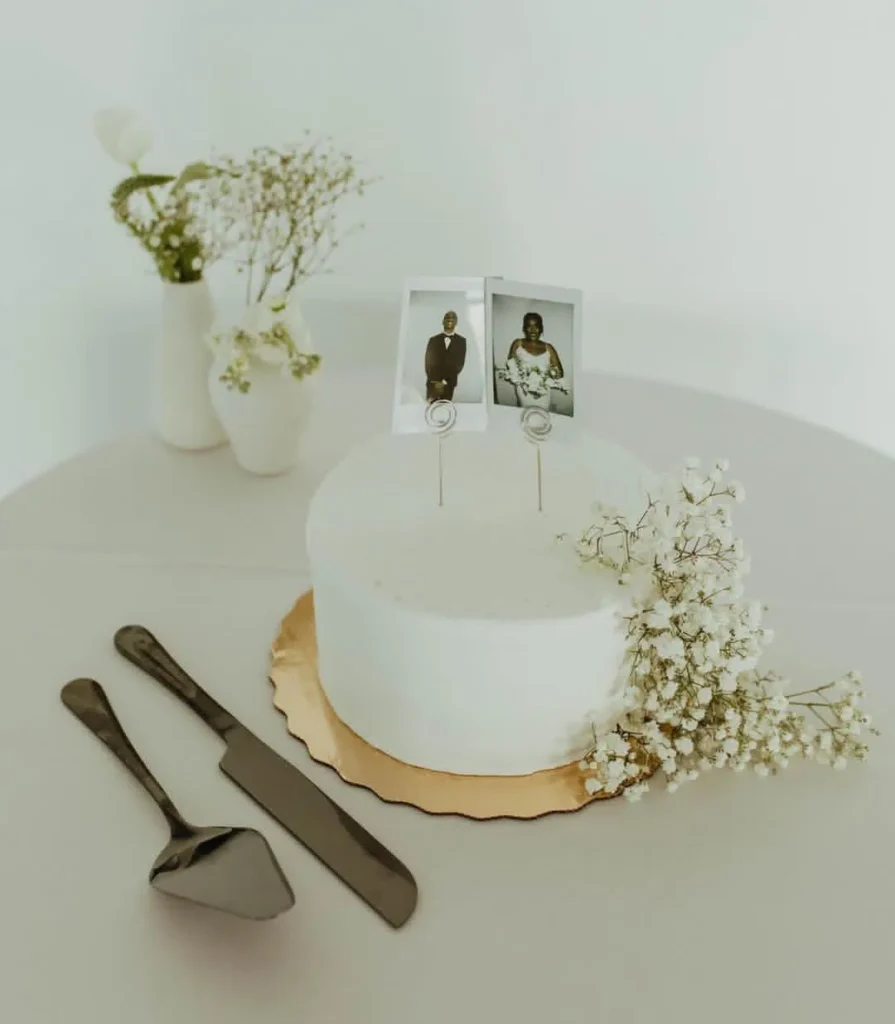
- Add fresh or dried flowers that match your wedding decor.
- Consider soft lighting, like candles or fairy lights.
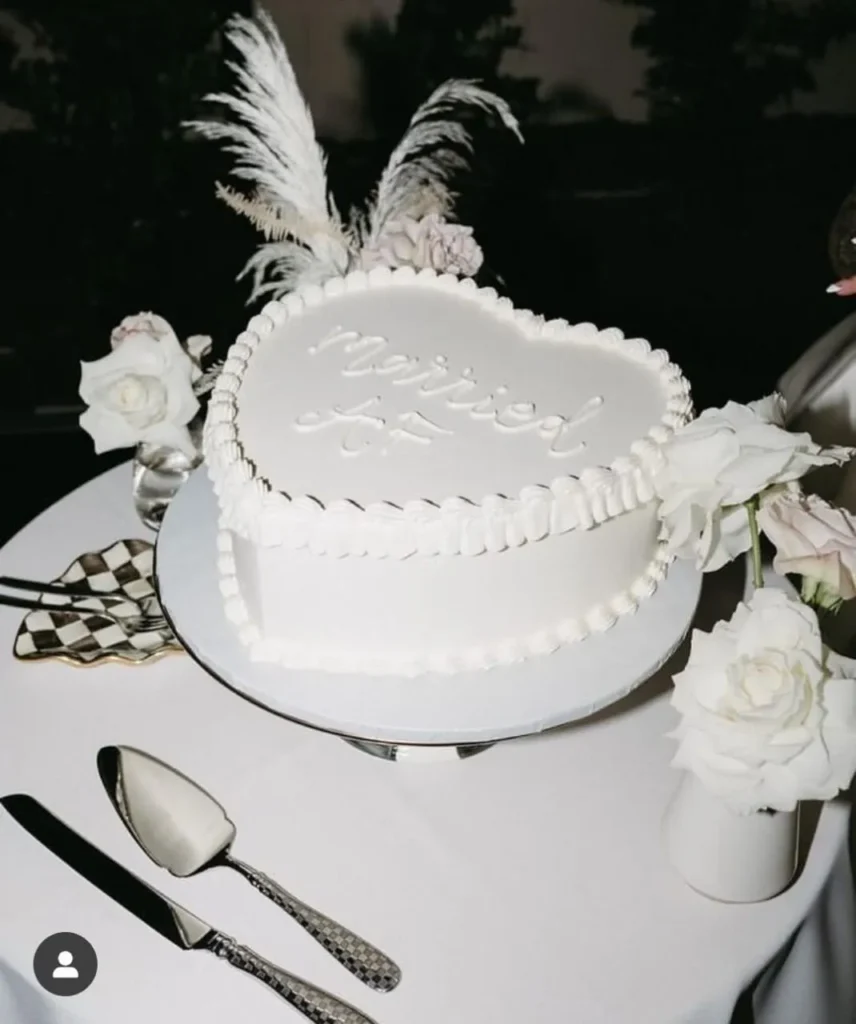
- Include a personalized cake topper or monogram.
- Keep the backdrop clean and elegant for photos.
A well-styled cake table adds to the beauty and helps highlight your wedding cake in all its glory.
Cutting the Wedding Cake: Traditions and Timing
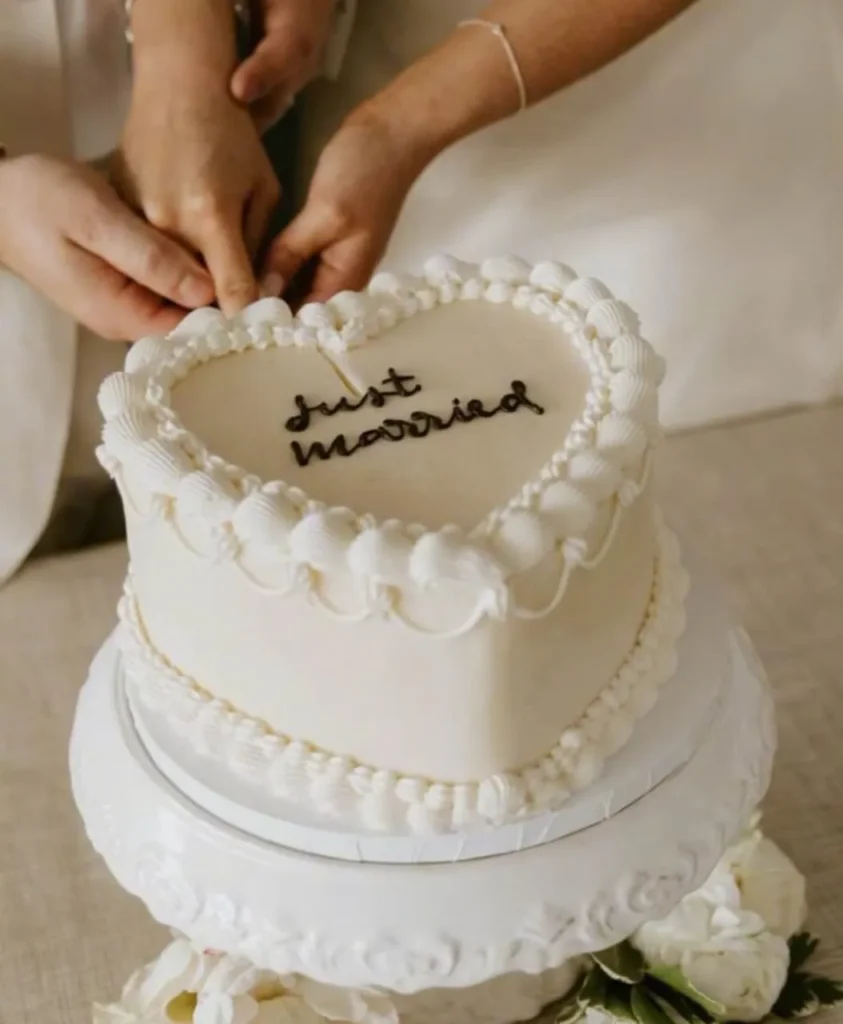
The cake cutting is a time-honored tradition. It typically takes place after dinner but before dancing begins. The couple makes the first cut together, symbolizing unity. Some couples follow this with a playful cake smash, while others offer a neat bite to one another.
Make sure your photographer is ready to capture this special moment, and have your emcee announce it so all guests can enjoy the tradition.
Preserving the Top Tier for the First Anniversary
A popular tradition is saving the top tier of the wedding cake for your first anniversary. If you plan to do this:
- Inform your baker so they can package it properly.
- Freeze the cake immediately after the wedding.
- Wrap it tightly in plastic and foil, then store it in an airtight container.
- Defrost it in the refrigerator before enjoying on your anniversary.
It’s a sweet way to relive the joy of your wedding day.
Alternatives to the Traditional Wedding Cake
If you’re not a fan of traditional cakes, there are plenty of creative alternatives:
- Cupcake Towers: Easy to serve and display.
- Macaron Towers: Elegant and trendy.
- Doughnut Walls: Fun and visually appealing.
- Cheesecake Layers: A delicious twist for dessert lovers.
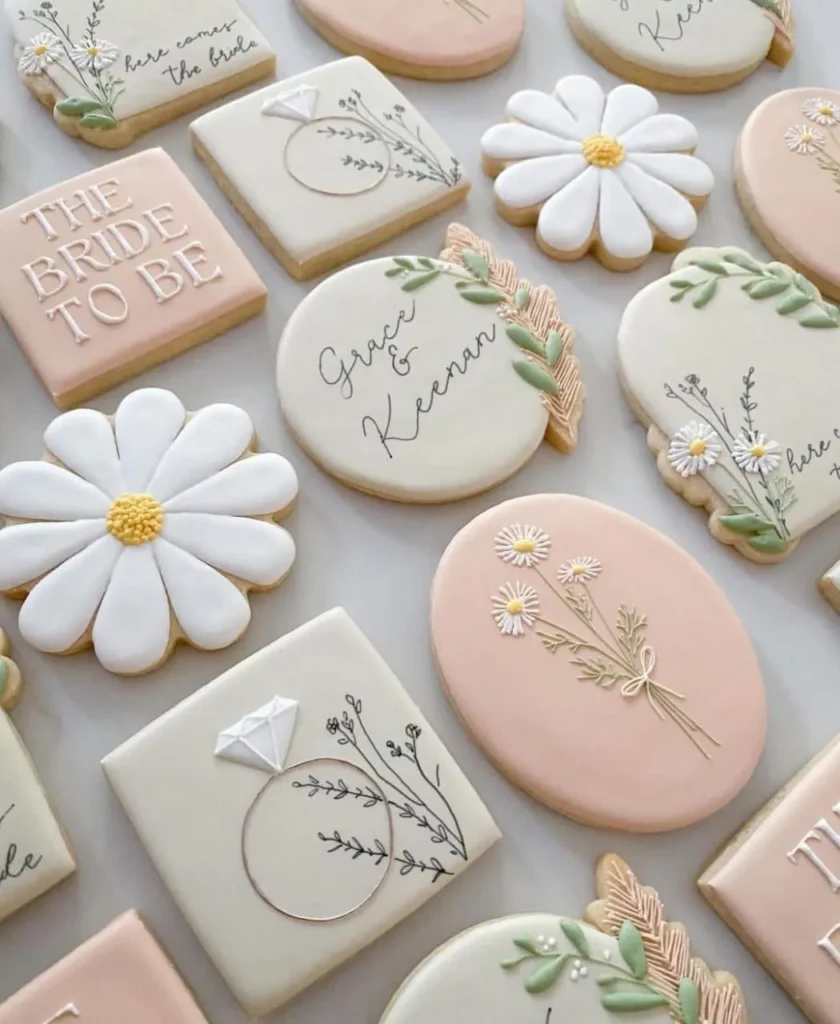
- Dessert Tables: A mix of mini cakes, pies, and sweets.
These alternatives can reflect your personality and still keep the celebration special.
Wedding Cake Etiquette and Guest Expectations
A wedding cake is often expected at receptions, but modern weddings allow flexibility. Here are a few etiquette tips:
- Always have enough cake or dessert for all guests.
- Inform guests if you’re doing a non-traditional cake.
- Avoid cutting the cake too late; some guests may leave early.
- Accommodate dietary needs with a small gluten-free or vegan option.
Meeting guest expectations ensures everyone feels considered and included.
Common Mistakes to Avoid
Even with the best planning, mistakes can happen. Here’s what to watch out for:
- Choosing style over flavor: The cake should taste as good as it looks.
- Not checking the venue’s rules: Some venues have guidelines on delivery or storage.
- Last-minute decisions: Wedding cakes need time—book early!
- Too many flavors: Keep it balanced to avoid overwhelming choices.
- Unstable display tables: Make sure your table can support the cake’s weight.
Avoiding these mistakes can save you stress and ensure everything goes smoothly.
Final Thoughts
Your wedding cake is more than a dessert—it’s a reflection of your journey, your tastes, and your dreams for the future. With thoughtful planning, open communication with your baker, and a dash of creativity, you can have a wedding cake that’s as unforgettable as the day itself.
Whether you choose a towering traditional cake or a playful dessert alternative, the key is to make it yours. Let your wedding cake be a sweet beginning to a beautiful life together.